Strategic Transformation: Elevate Your Content Assets with High-Impact Personalization
In the dynamic world of digital content, business owners are constantly seeking efficient and effective ways to create high-quality content. Private Label Rights (PLR) content offers a unique opportunity to save time and resources while still delivering valuable information to your audience. Learning to repurpose PLR content like a pro can unlock the full potential of PLR for your business.
Understanding PLR Content
What is PLR?
PLR, which stands for Private Label Rights, grants you the license to use, modify, and even resell content as your own. This means you can take existing PLR content and turn it into unique digital products. Understanding what PLR is, is the first step to effectively using PLR and making money online. Using PLR can significantly impact your content creation strategy.
Benefits of Using PLR Content
Here’s a breakdown of the advantages of using PLR content. In particular, it helps you to:
Save time on content creation, freeing you to focus on other business tasks.
Gain a wealth of content ideas for creating lead magnets, online courses, and ebooks.
Plus, PLR can also help you generate passive income through the creation and resell of digital products after you customize the PLR.
Types of PLR Content Available
Private Label Rights (PLR) comes in many forms, giving entrepreneurs and content creators the flexibility to choose the type of material that best fits their business model. Understanding the different types of PLR content available can help you make smarter decisions about how to use and repurpose it effectively.
1. PLR eBooks and Reports
PLR eBooks and reports are some of the most popular types of PLR content. They typically cover niche topics in detail and can be sold as digital products, used as lead magnets, or even repurposed into blog posts and video scripts. Many entrepreneurs rebrand these eBooks with their logo and graphics, making them look like unique, original products.
2. PLR Articles and Blog Posts
PLR article packs are pre-written sets of blog posts or informational articles on specific topics. They’re perfect for website owners who want to publish consistent content without spending hours writing. You can publish them as-is, edit them to match your brand voice, or repurpose them into newsletters, social media captions, or YouTube scripts.
3. PLR Checklists and Worksheets
Checklists, planners, and worksheets are highly actionable types of PLR content. These done-for-you checklists provide step-by-step guidance for audiences and work exceptionally well as lead magnets or bonuses. Because they deliver quick wins, they’re often perceived as high-value products, even though they’re simple to create or customize.
4. PLR Video Courses and Tutorials
Video-based PLR products are becoming increasingly popular, especially as demand for online learning continues to grow. These can include recorded lessons, screen-share tutorials, or even PowerPoint-style presentations. You can sell them as standalone courses, bundle them with other content, or use them to build an online academy.
5. PLR Audio Content and Podcasts
Audio PLR products include ready-made podcast episodes, guided meditations, and educational recordings. These are ideal for entrepreneurs looking to enter the audio space without recording from scratch. They can be resold, repurposed into video voiceovers, or offered as bonuses alongside other digital products.
6. PLR Graphics and Templates
Design-focused PLR products include Canva templates, social media graphics, infographics, and slide decks. These are especially useful for marketers who want to provide visually engaging content but lack design skills. Graphics can be customized with your branding and used in marketing campaigns, social posts, or client projects.
7. PLR Email Sequences
Email PLR content often comes in the form of autoresponder series or email swipe files. These are pre-written campaigns designed to nurture leads, build relationships, and drive sales. By adding your own branding and tweaking the messaging, you can save weeks of writing while still delivering professional, value-packed emails.
8. PLR Membership or Course Content
Some PLR comes bundled as full courses, including modules, lesson plans, and workbooks. These can be uploaded into learning platforms like Teachable, Kajabi, or Thinkific to create instant digital courses. This type of PLR allows you to quickly launch new programs and generate revenue without spending months developing content.
9. PLR Printables and Low-Content Products
Low-content PLR products include planners, journals, coloring books, trackers, and calendars. These are highly versatile and can be sold on platforms like Etsy, Amazon KDP, or your own store. Printables are simple to customize and offer endless opportunities for passive income.
10. PLR Workshops and Coaching Tools
PLR workshop kits often include slide decks, presentation notes, and workbooks designed for group coaching or live events. These resources save coaches and trainers hours of preparation and can be sold as paid workshops, offered as bonuses, or used in memberships.
Final Thoughts
The wide variety of PLR content available means there’s something for every business model. Whether you’re looking to sell full eBooks, run an online course, or simply publish consistent blog content, PLR provides the flexibility, speed, and scalability needed to grow your brand and revenue. By choosing the right types of PLR and customizing them to your niche, you can save time, add value to your audience, and build new income streams effortlessly.
Repurposing PLR Content
What Does It Mean to Repurpose PLR?
To repurpose PLR content means to take existing PLR material and transform it into something new and original that aligns with your brand and target audience. It’s about customizing PLR content to make it your own, adding your unique voice, and tailoring it to meet the specific needs of your customers. Repurposing PLR is not just about copying and pasting.
Strategies for Repurposing PLR Content
Several strategies exist for repurposing PLR content. You can rewrite PLR articles to improve their SEO and add your personal insights. Transform ebooks into online course modules. Create engaging lead magnets from checklists, or design visually appealing graphics using Canva. Mastering these strategies enables you to repurpose PLR content for maximum profit and turn PLR content into unique offerings.
Common Mistakes to Avoid
Repurposing PLR content effectively requires avoiding common pitfalls. Specifically, it’s important to remember:
Never publish PLR content as is; always customize it.
Always check for plagiarism and ensure information is accurate and up-to-date.
Repurposing PLR like a pro necessitates careful attention to detail.
Customizing PLR for Your Brand
How to Customize PLR Content Effectively
To customize PLR content effectively, start by thoroughly reviewing the original material. Identify areas that need updating or aligning with your brand’s voice. Rewrite sections to add your unique perspective and improve SEO. Incorporate real-life examples, case studies, or personal experiences to make the content more engaging. Effective customization ensures that the repurposed PLR resonates with your target audience.
Tools and Resources for Customization
Various tools and resources can aid in customizing PLR content. Grammar and plagiarism checkers ensure the content is original and error-free. Canva is excellent for creating visually appealing graphics to complement the text. Keyword research tools help optimize the content for search engines. These resources help you customize PLR content and turn it into unique and valuable assets.
Creating Unique Value from PLR
Creating unique value from PLR involves adding something that sets your content apart. This could be a unique angle, a fresh perspective, or supplementary material that enhances the original content. Transform a generic PLR ebook into an interactive online course with quizzes and assignments. Providing extra value makes your repurposed PLR more attractive to your audience and grow your business.
Using PLR for Passive Income
How to Turn PLR Content into Profit
Turning PLR content into profit requires a strategic approach. Begin by customizing PLR to align with your brand and audience. Create valuable products, such as ebooks, online courses, or templates, from the repurposed PLR. Implement effective marketing strategies to promote your products and generate sales. Turning PLR content into profit is easier than you think.
Reselling PLR Products: A Step-by-Step Guide
Reselling PLR products involves several key steps. First, customize the PLR content to make it unique. Create professional-looking sales pages and marketing materials. Set up a system for processing payments and delivering the products. Consider offering bundled packages or upsells to increase revenue. This approach will help you successfully resell PLR and generate passive income.
Leveraging PLR for Email Marketing
Leveraging PLR for email marketing can significantly boost your lead generation and engagement efforts. Use PLR articles to create informative and engaging email newsletters. Transform PLR checklists into valuable lead magnets to attract new subscribers. Customize PLR email templates to nurture your leads and promote your products. Email marketing is great for more growth and sales.
Creating Lead Magnets with PLR
What is a Lead Magnet?
A lead magnet is a valuable piece of content offered for free in exchange for a prospect’s contact information, typically an email address. Using a lead magnet is a great way to capture the contact information of potential customers and grow your business. Lead magnets can take various forms such as ebooks, templates, checklists, or short online course.
Choosing the Right PLR for Lead Magnets
Selecting the right PLR content to create lead magnets is crucial. Look for PLR content that aligns with your target audience’s needs and interests. Choose PLR content that offers practical solutions or valuable information. Repurpose PLR content that you can easily customize and brand as your own. This ensures that your lead magnet effectively attracts the right leads.
Designing Lead Magnets Using Canva
Canva is an excellent tool for designing visually appealing lead magnets. You can use Canva to create professional-looking ebooks, checklists, and templates. Customize PLR content by adding your brand colors, logos, and unique graphics. Canva’s user-friendly interface makes it easy to create high-quality content that will attract and engage your target audience and grow your business.
Maximizing Content Profitability
Content for Maximum Profit: Strategies
Maximizing content profitability involves strategic planning and execution. You can repurpose PLR content into various formats, such as blog posts, social media updates, and email newsletters. Create high-quality content that addresses your audience’s needs and provides value. Implement effective marketing strategies to promote your content and generate leads, thus turning PLR content into profit.
Infographics and Other Visual Content
Infographics and other visual content are highly effective for attracting attention and conveying information quickly. Transform PLR articles into visually engaging infographics. Use Canva to design stunning visuals that complement your written content. Visual content can boost engagement and shares, driving more traffic to your website. It’s great for marketing repurposed PLR, leading to more growth and sales.
Done-for-You Content: The Ultimate Time Saver
Done-for-you content can save you significant time and effort. High-quality PLR content falls into this category. You can use PLR as a foundation and then customize it to align with your brand’s voice. This allows you to create valuable content quickly and efficiently. Using done-for-you content enables you to focus on other essential aspects of your business.
BuyQualityPLR.com—The Ultimate Source for PLR Content
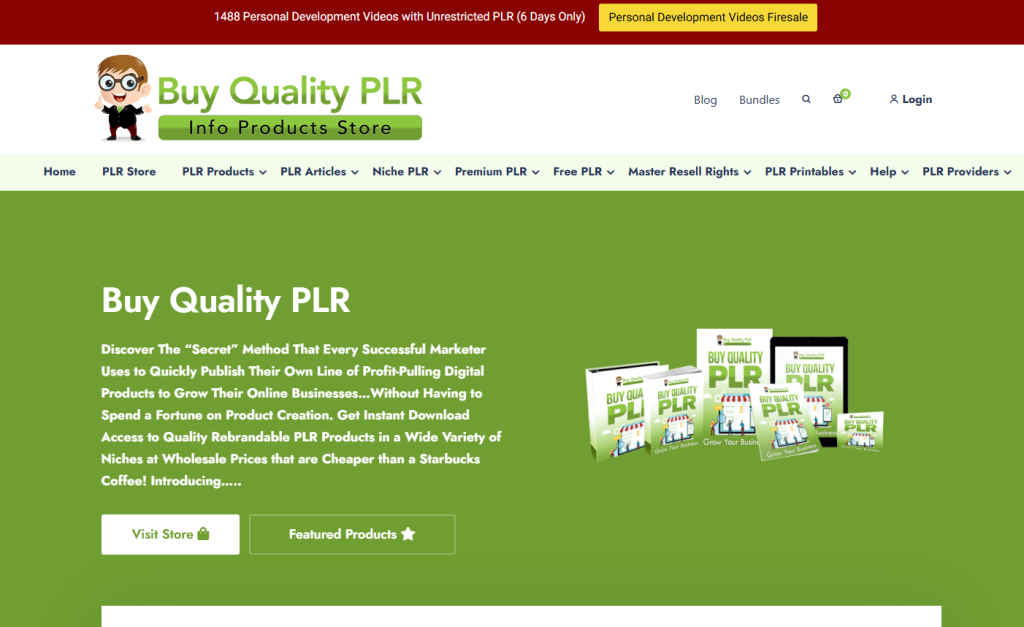
BuyQualityPLR.com is a premier destination for high-quality PLR content. They offer a wide variety of PLR products, including articles, ebooks, templates, and graphics. These products provide ample content ideas and help you save time and resources. With BuyQualityPLR.com, you can access the best PLR to create valuable and engaging content for your audience to grow your business.
Frequently Asked Questions
What is PLR content and how can I repurpose it?
PLR content, or Private Label Rights content, is a type of material that you can buy and modify to fit your needs. By repurposing PLR, you can create new content, such as blog posts or social media updates, that align with your brand and message. This allows you to save countless hours on content creation while still delivering value to your audience.
How can I customize PLR content for my audience?
Customizing PLR content is essential to ensure it resonates with your audience. You can change the title, add your own personal insights, and incorporate your brand’s voice. This helps in creating unique content and builds trust with your audience, making them more likely to engage with your material.
What are some effective ways to repurpose PLR content into lead magnets?
Repurposing PLR content into lead magnets is a great strategy to grow your business. You can transform e-books or articles into checklists, infographics, or email challenges. This content can then be used to attract potential customers and encourage them to opt-in to your email list, increasing your marketing reach.
Can I use tools like Canva to customize PLR content?
Yes, Canva is an excellent tool for customizing PLR content. You can create visually appealing graphics or infographics that complement the written material. This adds a professional touch to your repurposed content and helps in reaching a wider audience through social media posts or marketing campaigns.
Is it possible to create original content from repurposed PLR?
Absolutely! By adding extensive edits, personal anecdotes, and new insights, you can transform repurposed PLR content into original content. The key is to make sure the final product reflects your unique voice and perspective, offering value that differentiates it from the original.
What types of PLR content are available for digital entrepreneurs?
Digital entrepreneurs can find multiple PLR products, including e-books, articles, videos, and social media posts. These done-for-you content pieces provide a goldmine of opportunities to create new content quickly and effectively, helping you to save time and focus on other business aspects.
How can I use email marketing with repurposed PLR content?
Repurposed PLR content can enhance your email marketing campaigns by providing valuable information to your subscribers. You can create email series using PLR e-books or articles, offering insights and tips that align with your audience’s interests. This not only educates your subscribers but also keeps them engaged with your brand.
What are the benefits of using PLR content for busy entrepreneurs?
For busy entrepreneurs, PLR content is a powerful tool that helps streamline content creation. It allows you to quickly generate new content without the creative block often associated with starting from scratch. By investing in PLR, you can unlock new possibilities for your content marketing strategy while focusing on growing your business.
Proven Email Marketing Strategies To Sell Digital Products Effectively
In today’s digital age, understanding how to effectively use email marketing is crucial for anyone looking to promote their digital products. It’s a direct and personal way to connect with potential customers, nurture leads, and drive digital product sales. Mastering email marketing can transform your digital marketing strategy and significantly boost your business’s revenue.
Understanding Email Marketing for Digital Products
The Power of Email Marketing
Email marketing isn’t just about sending out marketing emails; it’s a powerful channel for building relationships with your target audience. When implemented with email marketing best practices, an email marketing strategy can significantly increase your conversion rates. It allows you to personalize your approach, providing value through tailored email content and offers based on subscriber behavior and preferences. Unlike other digital marketing methods, email marketing offers a direct line of communication, fostering trust and loyalty that leads to repeat digital product sales.
Why Use Email Marketing to Sell Digital Products
If you want to sell your digital products effectively, learning how to use email marketing to sell is essential because it offers unparalleled control and personalization. Unlike social media platforms, you own your email list, ensuring direct access to your subscribers. Through strategic email campaign planning, you can target specific segments of your email list with customized messaging, increasing the likelihood of engagement and digital product sales. Using email marketing allows you to nurture potential customers through a carefully crafted email sequence, guiding them through the sales funnel and maximizing conversions.
Email marketing remains one of the most powerful and profitable channels for selling digital products. Whether you offer online courses, PLR content, eBooks, templates, or printables, email gives you a direct path to your most engaged audience — without relying on algorithms or paid ads. Here’s why email marketing is essential for boosting sales and building a sustainable digital product business.
1. You Own Your Audience
Unlike social media platforms where reach depends on constantly changing algorithms, your email list is an asset you fully own. This gives you complete control over how often you communicate, what you promote, and how you build relationships with subscribers. Why it matters: Your digital product sales aren’t at the mercy of external platforms.
2. Higher Conversion Rates Than Social Media
Email consistently outperforms other marketing channels when it comes to conversions. Subscribers have already shown interest by opting in, making them more likely to buy. Why it matters: People who join your list trust you — and trust leads to sales.
3. Perfect for Building Trust and Authority
Selling digital products requires strong credibility. Email allows you to deliver value-driven content, share stories, offer tips, and showcase expertise over time. Why it matters: The more value you provide, the more confident your audience feels when buying from you.
4. Allows for Personalized Marketing
Email gives you the ability to segment your audience based on interests, behavior, or past purchases. Why it matters: Sending the right offer to the right person dramatically increases sales of your digital products.
5. Automated Sales on Autopilot
Automation tools let you sell digital products even when you’re not online. You can create:
Welcome sequences
Product launch sequences
Upsell and cross-sell funnels
Abandoned cart reminders
Evergreen sales funnels
Why it matters: Email automation means you earn income 24/7 with systems doing the selling for you.
6. Great for Educating Before Selling
Digital products often require explanation. Whether it’s an online course, a PLR pack, or a toolkit, your audience may need guidance before purchasing. Why it matters: Email lets you break down the benefits, features, use cases, and value of your product step-by-step.
7. Drives Repeat Purchases
A strong email list turns one-time buyers into loyal customers. With newsletters, exclusive offers, and product updates, you can keep your audience engaged long-term. Why it matters: Digital product businesses thrive on repeat customers, not one-off sales.
8. Cost-Effective and Beginner-Friendly
Email marketing is one of the most affordable ways to promote digital products. With tools like System IO, beginners can build funnels, automate campaigns, and grow their list without paying expensive software fees. Why it matters: Low costs mean higher profit margins on every sale.
9. Helps You Verify and Maintain List Quality
A clean email list performs better. Verifying email addresses keeps your deliverability high and ensures your sales messages reach real subscribers. Why it matters: Better deliverability = more opens, more clicks, more digital product sales.
10. Ideal for Launching New Digital Products
Email is the perfect channel for hyping upcoming products, sharing sneak peeks, and creating anticipation. Why it matters: Launches generate fast sales because your audience feels part of the journey.
Offer a compelling lead magnet, such as a free ebook or template, in exchange for email addresses.
Promote this offer across your website and social media channels.
Implement email marketing best practices from the start by segmenting your email list based on interests and behaviors. A well-segmented email list ensures that your marketing emails are highly relevant to each recipient, boosting your open rate and driving engagement. Consider a welcome email to new subscribers, and ensure it is part of your automation process. This is your opportunity to provide value from the get-go.
Creating an Effective Email Marketing Strategy
Defining Your Target Audience
The first step in an effective email marketing strategy is clearly defining your target audience. You need to understand who your ideal potential customers are. Create detailed buyer personas that include demographics, interests, and pain points. This understanding will guide the type of email content you create and the marketing strategies you employ. When you deeply understand your target audience, you can tailor your marketing emails and craft email campaign messages that resonate with them, increasing the likelihood of engagement and digital product sales. Failing to define your target audience can result in generic marketing emails that fail to capture attention and drive conversion.
Segmenting Your Email List
Segmenting your email list is one of the most effective ways to increase open rates, boost engagement, and drive more sales from your digital products. Instead of sending the same message to everyone, segmentation helps you deliver content that feels personal, relevant, and perfectly timed. This leads to stronger relationships and higher conversions — especially when promoting digital products like PLR content, eBooks, templates, and online courses.
1. What Is Email Segmentation?
Email segmentation is the process of dividing your subscribers into smaller groups based on shared characteristics or behaviors. Examples include:
Interests
Purchase history
Demographics
Engagement levels
Website activity
Lead magnet used to join your list
Why it matters: The more tailored your emails, the more likely your subscribers are to take action.
2. Why Segmentation Boosts Sales
When subscribers receive emails that match their needs and intentions, they engage more. Segmentation improves:
Open rates
Click-through rates
Conversion rates
Customer satisfaction
Why it matters: Sending the right message to the right person increases digital product sales significantly.
3. Types of Segments to Create
Here are some powerful segmentation ideas you can use on IMMozie:
a. Interest-Based Segments Group subscribers based on topics they care about — SEO, social media, PLR products, online income, or ecommerce. Example: Promote PLR products only to subscribers who downloaded a PLR-related lead magnet.
b. Engagement Level Segments Divide subscribers into active, semi-active, and cold leads. Example: Send reactivation emails to cold subscribers with a fresh freebie or exclusive offer.
c. Purchase History Segments Segment based on what products subscribers have already bought. Example: Upsell an advanced course or PLR upgrade to customers who purchased a basic product.
d. Lead Magnet Segments The resource someone signs up for reveals what they want. Example: A subscriber who downloaded your “Affiliate Marketing Checklist” should receive affiliate-focused offers.
e. Demographic or Location Segments Useful for businesses targeting specific countries or audiences.
f. Behavior-Based Segments Triggers include:
Link clicks
Page visits
Cart abandonment
Webinar attendance Example: Send a follow-up email to subscribers who clicked on a sales page but didn’t buy.
4. How Segmentation Improves Customer Experience
Segmentation reduces irrelevant emails, making your list feel understood and valued. It helps you:
Avoid promoting the wrong product to the wrong audience
Personalize your messages
Increase trust and loyalty
Build stronger long-term relationships
Why it matters: The more relevant your emails feel, the more your subscribers appreciate your brand.
5. Tools That Make Segmentation Easy
Platforms like System IO, ConvertKit, MailerLite, and ActiveCampaign allow you to:
Tag subscribers
Create behavior-based automations
Build segment-specific email flows
Track engagement and purchases
Why it matters: These tools streamline segmentation so even beginners can create personalized email experiences without complicated tech setups.
6. Best Practices for Effective Segmentation
Keep segments simple — avoid over-segmentation
Verify email addresses regularly to maintain list health
Review segments monthly and adjust based on performance
Test different messages for different segments
Crafting the Perfect Subject Line
The subject line is the first thing your subscribers see, making it a crucial element in determining whether your marketing emails get opened. A compelling subject line should be concise, engaging, and relevant to the email content. Use personalization, such as including the subscriber’s name, to grab their attention. A/B test different subject lines to see which ones perform best with your target audience. Avoid using spammy words or phrases that can trigger spam filters. A well-crafted subject line can dramatically increase your open rate, ensuring that more of your subscribers see your offer and that you effectively use email marketing to sell your digital products.
Turning PLR Articles and Content into Emails
Private Label Rights (PLR) content can be a valuable resource for populating your marketing campaign and email sequence. When using PLR articles and content, ensure you adapt them to fit your brand voice and provide value to your subscribers. Break down lengthy articles into a series of shorter, more digestible emails. Add your own insights and examples to personalize the content. Use PLR content as a template to create lead magnets or email marketing for digital product promotions. By repurposing PLR content strategically, you can save time and effort while maintaining a consistent flow of valuable email content to nurture potential customers and sell your digital products through effective use email marketing strategies.
Email Campaigns that Convert
Designing Your Email Content
When crafting email content for your email campaign, keep your target audience in mind. Understanding their needs and preferences will guide the type of email you create. Use compelling visuals and clear, concise language to convey your message effectively. Each email should provide value, whether it’s through educational information, exclusive discounts, or helpful resources. Incorporate a strong call-to-action that encourages subscribers to take the next step, such as visiting a landing page or making a purchase. Regularly update your email marketing strategy with fresh and relevant email content to keep your subscribers engaged and eager to open your marketing emails.
Utilizing Email Sequences
An email sequence is a series of automated emails triggered by specific actions or events, which is essential if you want to use email marketing to sell. Design a welcome email to greet new subscribers and set expectations. Nurture potential customers with a sequence of emails that provide value and address their pain points. Create a sales sequence to promote your digital product, highlighting its benefits and features. Use email marketing to sell by segmenting your email list and tailoring email sequences to different audience segments. Track the performance of your email sequence and make adjustments as needed to optimize conversions and drive digital product sales through email marketing best practices.
Best Practices for High Open Rates
To achieve high open rates in your email marketing efforts, prioritize crafting compelling subject lines. Several strategies can contribute to improving your open rates, including:
Crafting subject lines that are concise, attention-grabbing, and relevant.
Using personalization to make your subscribers feel valued.
Segmenting your email list and maintaining a clean email list are also important. Test different subject lines and email content through A/B testing to identify what works best for your target audience. By following these email marketing best practices, you can increase your open rate and maximize the impact of your marketing emails.
Using PLR Email Series as Email Campaigns
PLR email series can be a valuable resource for populating your marketing campaign, offering ready-made email templates and email content. When using PLR content, ensure you adapt it to fit your brand voice and provide value to your subscribers. Personalize the subject line and body of the email to make it more engaging. Break down lengthy PLR emails into shorter, more digestible segments. Add your own insights and examples to make the content unique and relevant to your target audience. Use PLR email series as a starting point and customize them to align with your email marketing strategy and promote your digital product effectively and sell digital products successfully.
Automating Your Email Marketing
Setting Up Automated Email Campaigns
To effectively use email marketing and sell digital products, setting up automated email campaigns is essential. Automation allows you to engage potential customers without manual effort. Begin by mapping out your customer funnel, identifying key touchpoints where automated emails can provide value. Craft a welcome email series for new subscribers, an onboarding sequence to guide users through your digital product, and a re-engagement email campaign for inactive subscribers. Ensure each type of email aligns with your overall email marketing strategy and goals to maximize conversion and digital product sales.
Using Analytics to Improve Performance
Leveraging analytics is crucial for optimizing your email marketing strategy and enhancing digital marketing efforts. Monitor key metrics like open rate, click-through rate, conversion rate, and unsubscribe rate to gauge the effectiveness of your marketing emails. Use A/B testing on subject lines and email content to identify what resonates best with your target audience. Segment your email list based on engagement and purchase behavior to tailor your messaging and improve email marketing ROI. By analyzing data and making informed adjustments, you can continuously refine your email campaigns and sell digital products more effectively, while adhering to email marketing best practices.
Leveraging Lead Magnets
A lead magnet is an invaluable tool for building your email list and attracting potential customers. Offer something of value, such as a free ebook, template, checklist, or webinar, in exchange for email addresses. Ensure your lead magnet is highly relevant to your target audience’s interests and pain points. Promote your lead magnet prominently on your website, landing pages, and social media channels. Use a dedicated landing page to capture subscribers and deliver the lead magnet automatically. By offering a compelling lead magnet, you can grow your email list with qualified potential customers who are genuinely interested in your digital product.
Using PLR Lead Magnets for Faster and Easier Email Marketing
Using PLR lead magnets can significantly streamline your digital marketing efforts, offering a quick and efficient way to provide value and grow your email list. PLR (Private Label Rights) lead magnets come ready-made, saving you time and effort in content creation. Customize the PLR lead magnets to align with your brand and target audience. Add your own insights, examples, and branding to make it unique and engaging. Use PLR content as a template for creating high-quality lead magnets that attracts potential customers and helps you sell digital products. By leveraging PLR lead magnets, you can focus on other aspects of your email marketing strategy.
Promoting Your Digital Products through Email
Creating Valuable Marketing Emails
To use email marketing effectively in your marketing campaign, ensure that every marketing email you send provides value to your subscribers. Focus on delivering helpful information, solving problems, and addressing the needs of your target audience. Share industry insights, tips, and resources that are relevant to your digital product. Use storytelling to connect with your subscribers on an emotional level. Personalize your messaging to make each subscriber feel valued and understood. By consistently providing value, you can build trust and credibility with your email list, increasing the likelihood of product sales and long-term engagement.
Integrating Social Media Platforms
Integrating social media platforms with your email marketing efforts can amplify your reach and engagement. Include social sharing buttons in your marketing emails to encourage subscribers to share your content with their networks. Promote your email list on your social media profiles and run contests or giveaways to incentivize sign-ups. Use social media to drive traffic to your landing pages and capture email addresses. Create social media campaigns that complement your email marketing strategy, reinforcing your messaging and reaching a wider audience. By seamlessly integrating email marketing with social media, you can maximize your digital marketing impact and sell digital products effectively.
Nurturing Your Subscribers
Nurturing your subscribers is essential for building strong relationships and driving digital product sales. Use an email sequence to provide value, address their needs, and guide them towards making a purchase. Segment your email list based on their interests and behaviors to deliver personalized content and offers. Send regular marketing emails that offer helpful information, exclusive discounts, and valuable resources. Use automation to trigger email sequences based on specific actions or events. Monitor engagement and adjust your nurturing strategy as needed to optimize conversions and sell your digital products.
Frequently Asked Questions
How can I effectively use email marketing to sell your digital products?
To effectively use email marketing to sell your digital products, build an email list into smaller groups by segment your list according to interests, purchase history, or engagement. Use email marketing platforms to craft targeted email copy that introduces them to your brand and highlights a specific product or service with clear calls to action. Send emails consistently and include product recommendations, social proof, and limited-time offers to encourage subscribers to buy your product. Track performance metrics like higher open rate and conversions so you can refine which emails work best.
What email marketing template should I use to introduce a new product or service?
Choose a clean email template that supports mobile and desktop, highlights the product or service benefits, and includes a strong subject line to ensure your email marketing achieves a higher open rate. Include an image or demo, bulleted benefits, and a clear CTA. A welcome template that sends a thank-you email after signup is a great starter to introduce them to your brand and recommend a related digital product. Test different templates with your email service to see which drives clicks and purchases.
How can automation improve how I sell your digital products via email?
Automation lets you send a sequence of emails triggered by actions like signup, download, or purchase. Use automated welcome series to introduce them to your brand, deliver a lead magnet, and follow up with product recommendations. Automation also supports cart abandonment messages and post-purchase onboarding so you can engage with your emails without manual work. Integrate your email marketing platforms and ensure your email marketing sequences are personalized for better engagement and conversions.
What makes a good email that converts subscribers into buyers?
A good email focuses on a single specific product, clear benefit, and a concise call to action. Write tight email copy that addresses pain points, includes social proof, and tells subscribers what to do next. Every email should have value—an email with tips, an exclusive discount, or a useful resource—to build trust with your audience. Use attention-grabbing subject lines and preview text to achieve a higher open rate and test email elements for continuous improvement.
How do I segment your email list so every email feels relevant?
Segment your list by behaviors (opens, clicks), demographics, purchase history, and interests to send highly relevant content. Turning your email list into smaller groups lets you send emails about something each segment cares about—educational emails, product updates, or personalized product recommendations. Segmenting increases engagement with your emails and reduces unsubscribes because everyone on your email list receives content tailored to them.
How often should I send emails without annoying email subscribers?
Find a balance between staying top of mind and overwhelming your email users by testing frequency. Start with a regular cadence—weekly or biweekly—and monitor open rates, click-throughs, and complaints. Email marketing consistently is important, but quality beats quantity: every email should add value or move subscribers toward a product or service. Offer subscription preferences so subscribers can choose how often they want to receive updates.
Can I use email marketing platforms to test and improve every email?
Yes. Most email marketing platforms let you A/B test subject lines, email copy, send times, and templates to discover what drives a higher open rate and conversions. Send a test email to small segments before a full broadcast and use analytics to measure results. Testing helps you learn which approach to email marketing works best for your audience and is the best way to ensure future campaigns perform better.
What are effective ways to re-engage subscribers who haven’t opened my last email?
Create a re-engagement sequence that starts with a reminder email, then offers something valuable like an exclusive guide or discount. Use automation to send a final “last email” warning before removing inactive emails to keep your list healthy. Try different subject lines and content formats—an email with tips, a product recommendation, or a survey—to gauge interest. If re-engagement fails, prune many email addresses so your deliverability and engagement metrics improve.
Learn How to Create, Organize, and Execute a Content Strategy That Drives Traffic and Boosts Conversions
In today’s digital age, a robust content marketing plan is essential for any business seeking to thrive. Developing effective content strategies is the cornerstone of attracting, engaging, and retaining your target audience. This article will guide you through the process of crafting a comprehensive content marketing plan, enabling you to leverage the power of valuable content to achieve your marketing goals.
Understanding Content Marketing Strategies
What are Content Marketing Strategies?
Content marketing strategies are a structured approach to creating and distributing valuable, relevant, and consistent content to attract and retain a clearly defined audience and, ultimately, to drive profitable customer action. A successful content marketing strategy involves understanding your audience’s needs and pain points and then tailoring your content to address those concerns. This entails choosing the right type of content and content format, such as blog posts, video content, or email marketing, to effectively reach your target demographic and achieve your marketing goals. The key is to ensure that your content aligns with your audience’s interests and provides genuine value, fostering trust and establishing your brand as a thought leader.
Importance of a Well-Defined Content Marketing Strategy
A well-defined content marketing strategy is crucial for aligning your marketing efforts and maximizing your return on investment. Without a clear content plan, your content creation process may lack focus, leading to inconsistent messaging and a diluted brand identity. A content marketing plan acts as a roadmap, guiding your content creation and distribution efforts to ensure they contribute to your overall marketing goals. This plan should outline the types of content you will create, where you will publish your content, and how you will measure the success of your marketing efforts. Moreover, it enables you to optimize your content for search engines and social media platforms, increasing its visibility and reach. Developing a content marketing strategy allows you to allocate resources effectively, ensuring that you create content that resonates with your audience and drives meaningful results.
Elements of Successful Content Marketing
Successful content marketing hinges on several key elements. In particular, it’s important to focus on:
Understanding your target audience. You need to know their demographics, interests, and pain points to create content that truly resonates.
Defining clear and measurable marketing goals is essential for tracking your progress and ensuring your efforts are aligned with your business objectives.
Creating high-quality, valuable content that provides genuine insights and solutions is crucial for attracting and engaging your audience. This might involve diversifying your content types to include long-form content, video content, or social media content.
Consistently publishing your content according to a content calendar ensures a steady stream of information for your audience.
Finally, a content audit of your existing content can identify gaps and opportunities to elevate your content library and improve your overall content marketing strategy.
Creating a Content Marketing Strategy
Steps to Create a Content Marketing Strategy
Developing a strategic approach to content marketing is crucial for attracting your audience, building trust, and converting readers into loyal customers. Below is a detailed breakdown of each critical step involved in crafting an effective content marketing strategy that drives results.
1. Define Your Content Marketing Goals
Start with clarity. What do you want to achieve with your content? Typical goals include:
Building authority and thought leadership in your niche
Educating your audience about your products or services
Improving search engine rankings
Make your goals SMART: Specific, Measurable, Achievable, Relevant, and Time-bound. For example, instead of “get more traffic,” aim for “increase blog traffic by 30% in 90 days.”
2. Understand and Define Your Target Audience
Knowing who you’re speaking to is critical. Build detailed buyer personas based on:
Channels they use (Facebook, LinkedIn, Instagram, etc.)
Use surveys, analytics tools, social media listening, and CRM data to create audience profiles. This insight ensures every piece of content speaks directly to your ideal customer.
3. Conduct a Content Audit
If you already have content, analyze what’s working and what’s not:
Which blog posts drive the most traffic or leads?
Which formats (eBooks, videos, infographics) perform best?
Are there outdated pieces that need updating?
Where are the content gaps in your buyer’s journey?
Use tools like Google Analytics, SEMrush, or Screaming Frog to gather data, and categorize your content by funnel stage, format, and performance.
4. Perform Keyword Research and Topic Mapping
To make your content discoverable, start with strong keyword research. Focus on:
High-volume, low-competition keywords
Long-tail keywords for specific intent
Competitor content gaps
Semantic keyword clusters to build topical authority
Map your chosen keywords to content topics and funnel stages. Tools like Ahrefs, Ubersuggest, or Google Keyword Planner help streamline the research process.
5. Choose Content Formats and Channels
Identify content types and delivery platforms that resonate with your audience:
Formats: Blog posts, videos, guides, infographics, case studies, email newsletters
Content can continue working long after it’s published — if you keep it fresh:
Update outdated statistics or links
Repurpose blog posts into YouTube videos or infographics
Turn webinars into blog posts or eBooks
Combine short posts into downloadable guides
Repurposing saves time and maximizes ROI while reaching new audience segments.
Identifying Your Target Audience
Identifying your target audience is a foundational element of any successful content marketing strategy. Understanding their demographics, psychographics, and online behavior allows you to create content that resonates with them. Conduct market research, analyze social media, and gather customer feedback to develop detailed buyer personas. These personas will serve as a guide for your content creation, ensuring that each piece of content addresses their needs and interests. Consider what types of content they prefer, such as video content, long-form content, or social media content, and tailor your content accordingly. This targeted approach maximizes engagement and drives meaningful results. Effective audience identification is the cornerstone of building a content marketing strategy.
Setting Goals for Content Creation
Setting clear and measurable marketing goals is paramount to building a content marketing strategy. These goals provide a framework for your content creation efforts and allow you to track your progress and assess the effectiveness of your content marketing strategies. Define specific, measurable, achievable, relevant, and time-bound (SMART) goals that align with your overall business objectives. Examples of marketing goals include increasing website traffic, generating leads, improving brand awareness, and boosting sales. Ensure that your content aligns with these goals, providing valuable content that addresses your audience’s needs and drives them towards desired actions. Regularly review your marketing efforts and make adjustments as needed to optimize your content and achieve your marketing goals.
Types of Content in Marketing
Different Types of Content Marketing
There are numerous types of content marketing available, each designed to cater to different marketing goals and audience preferences. Understanding the different types of content is crucial for developing a content marketing strategy that maximizes engagement and delivers results. A few common examples of content marketing include:
Each content type serves a unique purpose, and a well-rounded content marketing plan often incorporates a mix of different types of content to achieve optimal results.
Choosing the Right Type of Content
Selecting the right type of content is essential for reaching your target audience effectively. Start by understanding their preferences and behaviors. What type of content do they consume most often? Which social media platforms do they use? What are their pain points and interests? Answering these questions will guide your content creation process and help you choose the most appropriate content format. For example, if your audience prefers visual content, video content and infographics may be more effective than long-form content. If they are looking for in-depth knowledge, blog posts and white papers might be better options. Consider your marketing goals as well. Are you trying to increase brand awareness, generate leads, or drive sales? The type of content you choose should align with these marketing goals.
Content Formats That Drive Engagement
To create a content marketing strategy that drives engagement, it’s critical to explore various content formats that resonate with your target audience. Video content, for example, continues to dominate as a visually appealing medium, ideal for storytelling and product demonstrations. Infographics translate complex data into easily digestible visuals, capturing attention and improving comprehension. Podcasts offer an auditory experience, perfect for on-the-go consumption and establishing thought leadership. Interactive content, such as quizzes and polls, encourages audience participation and provides valuable insights. Selecting the right content format involves aligning with audience preferences and marketing goals to maximize impact and ensure your content delivers value. When you elevate your content with optimized formats, it can be a successful content marketing strategy.
Building a Content Plan
Developing a Content Calendar
A key element of a successful content marketing strategy is a well-organized content calendar. This calendar serves as a roadmap for your content creation process, ensuring a steady stream of valuable content that aligns with your marketing goals. The content calendar should outline the topics you plan to cover, the content type you will use, and the platforms where you will publish your content. It should also include deadlines for each piece of content, helping you stay on track and maintain consistency. A content calendar allows you to plan for seasonal events, product launches, and other marketing initiatives. By strategically planning your content, you can maximize its impact and ensure it reaches your target audience at the right time. Creating a content calendar is essential for effective content strategies.
Content Creation Best Practices
When you create content for your content marketing plan, adhering to best practices is paramount. Ensure your content is well-researched, accurate, and provides value to your target audience. Use clear and concise language, breaking down complex topics into easily digestible pieces. Optimize your content for search engines by using relevant keywords and meta descriptions. Incorporate visuals, such as images and video content, to enhance engagement. Promote your content across multiple channels, including social media and email marketing. Regularly update your existing content to keep it fresh and relevant. By following these best practices, you can elevate your content and maximize its impact on your audience, ensuring that it supports your overall marketing goals and elevates your content library.
Measuring Content Marketing Success
Measuring the success of your content marketing strategies is essential for understanding what’s working and what’s not. Track key metrics such as website traffic, engagement rates, lead generation, and conversion rates. Use analytics tools to monitor the performance of your content and identify areas for improvement. Conduct regular content audits to assess the effectiveness of your existing content. Analyze your data to identify trends and patterns, and adjust your content marketing plan accordingly. By continually monitoring and analyzing your results, you can optimize your content creation process and maximize your return on investment and create a content marketing strategy.
Using PLR Content as Part of Your Content Marketing Plan
PLR (Private Label Rights) content can be a valuable asset in your content marketing plan, providing a foundation for creating engaging and informative material. However, it’s crucial to elevate the content to align with your brand and cater to your specific audience. Use PLR content as a starting point, adding your unique insights, experiences, and voice. Optimize the content with relevant keywords and tailor it to address your audience’s specific needs and pain points. Incorporate visuals, such as images and video content, to enhance engagement. By customizing PLR content, you can save time and effort while still delivering valuable content that resonates with your target audience, helping you to achieve your marketing goals.
Developing a Successful Content Marketing Strategy
Aligning Content with Marketing Goals
The cornerstone of a successful content marketing strategy is aligning your content with your overarching marketing goals. Before you create content, clearly define what you want to achieve, whether it’s increasing brand awareness, generating leads, driving sales, or fostering customer loyalty. Ensure every piece of content you produce contributes directly to these objectives. If your goal is lead generation, focus on creating content that offers value in exchange for contact information, such as e-books or webinars. For brand awareness, concentrate on creating shareable social media and engaging video content. By aligning content with your marketing goals, you ensure that your marketing efforts are focused and effective.
Continuous Improvement in Content Strategy
Continuous improvement is vital for maintaining a successful content marketing strategy in the ever-evolving digital marketing landscape. Regularly evaluate the performance of your content, analyzing metrics such as engagement rates, website traffic, and conversion rates. Solicit feedback from your audience to understand their needs and preferences. Stay abreast of the latest trends and best practices in content marketing. Experiment with different types of content and content formats to discover what resonates most effectively with your audience. By embracing a mindset of continuous improvement, you can adapt your content marketing plan to meet changing needs and maximize its impact over time, ensuring your content continues to deliver value and drive results.
Leveraging Analytics for Strategy Enhancement
Leveraging analytics is crucial for enhancing your content strategies and ensuring they deliver the desired results. Use data to understand what types of content perform best, which channels are most effective, and what resonates most with your target audience. Analyze website traffic, social media engagement, and email marketing metrics to gain insights into your audience’s behavior and preferences. Identify areas where your content is falling short and make adjustments to optimize the content for better performance. By using analytics to inform your decision-making, you can refine your content marketing plan and maximize its impact. A data-driven approach ensures that your marketing efforts are targeted, effective, and aligned with your marketing goals.
Frequently Asked Questions
What is a content marketing strategy?
A content marketing strategy is a plan that outlines how a business will use content to achieve specific marketing goals. It includes identifying target audiences, selecting appropriate marketing channels, and determining the types of content to create and distribute. By developing a content marketing strategy, businesses can create valuable content that engages customers and drives conversions through the marketing funnel.
Why do I need to create a documented content marketing strategy?
A documented content marketing strategy provides clarity and direction for your content marketing efforts. It helps ensure that everyone on your content team is aligned with the goals, messaging, and tactics. Moreover, having a documented strategy allows businesses to measure success and adjust their strategy based on performance, which is crucial for achieving long-term success.
What are the common types of content I should include in my content marketing strategy?
Common types of content include blog posts, videos, infographics, podcasts, and social media posts. Each type of content serves different purposes and can attract and engage your audience in unique ways. By incorporating various content types and channels, you can elevate your content and reach a broader audience.
How can I share my content effectively on social media?
To share your content effectively on social media, tailor your posts to fit each platform’s audience and format. Use engaging visuals, catchy headlines, and relevant hashtags to increase visibility. Additionally, consider the timing of your posts and engage with your audience through comments and shares to maximize reach and impact.
What are some examples of successful content marketing?
Successful content marketing examples include brands that create high-quality content that resonates with their audience, such as HubSpot, which offers valuable resources like eBooks and webinars. Another example is Red Bull, which produces great content through extreme sports events and engaging videos that reflect its brand identity. These strategies effectively build brand awareness and customer loyalty.
How do I adjust my strategy for my business needs?
To adjust your strategy, regularly analyze performance metrics such as engagement rates, traffic, and conversion rates. Gather feedback from your audience and content creators to understand what works and what doesn’t. This iterative process allows you to refine your content marketing strategy, ensuring that it stays relevant and effective in meeting your business goals.
What components should be included in a successful content marketing plan?
A successful content marketing plan should include an overview of your target audience, content goals, content types, distribution channels, and a content calendar. Additionally, it should outline the resources needed, such as a content team and budget, to deliver high-quality content consistently. This comprehensive approach helps streamline the content creation and distribution process.
How can I repurpose content for different marketing channels?
Repurposing content involves taking existing content and adapting it for different formats or platforms. For example, you can transform a blog post into a video, an infographic, or a podcast episode. This approach maximizes the value of your content and allows you to reach different audiences on various marketing channels while saving time and resources.
What is a content marketing strategy?
A content marketing strategy is a plan that outlines how a business will use content to attract and engage its target audience. This strategy typically includes identifying the types of content to create, the marketing channels to use, and the goals to achieve with your content. A well-documented content marketing strategy can guide your content creation and distribution process effectively.
Why do I need to create a content marketing strategy?
Creating a content marketing strategy is essential because it helps to align your content marketing efforts with your business objectives. It ensures that you are producing valuable content that resonates with your audience, effectively utilizes marketing channels, and guides your content team in executing your content strategy. Without a clear strategy, your content may lack direction and fail to deliver the desired results.
What are the common types of content used in a successful content marketing strategy?
Common types of content include blog posts, videos, infographics, podcasts, and social media posts. Each type of content serves different purposes and appeals to various audience segments. By understanding these content types and channels, you can create a diverse content plan that maintains audience interest and engagement.
How can I elevate my content to achieve better results?
To elevate your content, focus on creating high-quality content that provides real value to your audience. This can involve researching your audience’s needs, optimizing your content for search engines, and sharing content across multiple marketing channels. Additionally, repurposing content into different formats can help you reach a broader audience and keep your content fresh.
What should I include in my content marketing plan?
Your content marketing plan should include an analysis of your target audience, a list of content types you plan to create, a distribution strategy for sharing content, and performance metrics to measure success. Additionally, outlining the parts of your strategy, such as frequency of content delivery and promotional tactics, is crucial for executing your content marketing plan effectively.
How can I use content on social media to enhance my marketing funnel?
Using content on social media can significantly enhance your marketing funnel by driving traffic to your website and engaging potential customers. By sharing great content that educates and entertains, you can nurture leads through the various stages of the marketing funnel, ultimately guiding them toward making a purchase decision.
What are some examples of successful content marketing strategies?
Successful content marketing strategies often involve a mix of storytelling, audience engagement, and value-driven content. For example, brands like HubSpot and Buffer use blogs, videos, and social media to share valuable insights and attract new customers. Analyzing these content marketing examples can provide inspiration for developing a content marketing strategy that works for your business.
How can I help with my content strategy if I’m just starting out with content marketing?
If you’re starting out with content marketing, begin by researching your audience and their needs. Then, define your goals and create a content strategy that outlines the types of content you will produce and the channels you will use to distribute your content. Consider collaborating with content creators or investing in training for your content team to ensure that you are on the right path to creating a successful content marketing strategy.
How often should I create new content?
The frequency of creating new content depends on your audience’s preferences and your business goals. However, consistency is key. Aim to deliver content on a regular basis to keep your audience engaged and to improve your SEO efforts. This could mean publishing new blog posts weekly, sharing social media content daily, or producing videos monthly, depending on the resources available to your content team.