

Connect With Audiences, Craft Authentic Brand Narratives, and Drive Sustainable Business Growth Through Strategic Narrative Design
In today’s competitive landscape, simply listing features and benefits is no longer enough to capture consumer attention. To truly connect with your audience and foster lasting relationships, businesses must embrace the power of storytelling. This article will explore how effective storytelling in marketing can build your brand, create an emotional connection, and ultimately drive success.

Understanding Storytelling in Marketing
The Importance of Storytelling in Marketing
The importance of storytelling in marketing cannot be overstated in an era saturated with information. Storytelling in marketing creates a powerful narrative, connecting deeply and personally with your audience to build lasting brand affinity. Through compelling storytelling, you transcend mere transactions to forge genuine relationships, inspiring enduring brand loyalty and making your business unforgettable. This strategic approach to marketing communication allows marketers to convey their core message in a way that is both engaging and impactful, proving that the power of storytelling in marketing is an indispensable tool for any modern marketing strategy.
Defining Brand Narrative
A brand narrative is the overarching story that encompasses your brand’s journey, values, and purpose. More than a slogan or mission statement, a relatable narrative defines your brand identity and distinctly sets you apart. This brand narrative serves as the essential framework, guiding all your marketing campaigns and content efforts toward meaningful connections. Consistently communicating this narrative builds trust, helping your audience grasp your true essence while forging deeper, lasting brand connections.
The Role of Narrative in Marketing Campaigns
The role of narrative in marketing campaigns is pivotal for capturing and retaining audience attention. A well-crafted narrative that resonates transforms a simple advertisement into a memorable experience, making the product or service more appealing. Effective storytelling allows marketers to incorporate storytelling into their campaigns, weaving compelling stories around their brand values and propositions. This approach creates an emotional connection, demonstrating how storytelling works to build brand loyalty and trust. By using relatable scenarios, marketing campaigns convey core messages far more effectively, demonstrating storytelling’s power to deeply engage consumers.

How to Use Storytelling Effectively
Incorporate Storytelling in Your Content Marketing
To truly harness the power of storytelling, marketers must strategically incorporate storytelling into their content marketing efforts. This involves moving beyond mere promotional material and instead creating compelling stories that offer value, entertain, and educate the audience. Effective marketing storytelling weaves a seamless brand narrative across channels, including blog posts, social media, videos, and podcasts. By consistently presenting brand stories that resonate with your audience, you can build trust and establish a deeper level of engagement, ultimately fostering brand loyalty and making your brand more memorable in a crowded digital landscape.
Power of Storytelling in Your Marketing Strategy
The power of storytelling in your marketing strategy lies in its ability to create a lasting emotional connection with consumers. A well-defined strategy leveraging brand storytelling allows marketers to communicate core messages in ways that transcend traditional advertising limits. Highlighting core brand values and real-world solutions through storytelling creates an authentic narrative that resonates deeply with your target audience. This strategic application of storytelling works to build brand loyalty and ensures that your brand identity is clearly understood and appreciated, transforming casual interest into dedicated advocacy.
Examples of Successful Storytelling Campaigns
Numerous case studies demonstrate the profound impact of successful storytelling campaigns, showcasing the art of storytelling in marketing. Brands that effectively incorporate storytelling often see significant gains in consumer engagement and brand loyalty. Nike’s “Just Do It” campaign transcends simple product features, inspiring personal achievement to forge deep emotional connections with global athletes. Dove’s “Real Beauty” campaign leverages powerful storytelling to challenge conventional norms, fostering trust and positioning their brand as a champion. These examples demonstrate how storytelling remains an indispensable marketing tool, crafting compelling narratives that leave lasting impressions and strengthen brand loyalty.
Building Trust through Storytelling
Relatable Brand Stories
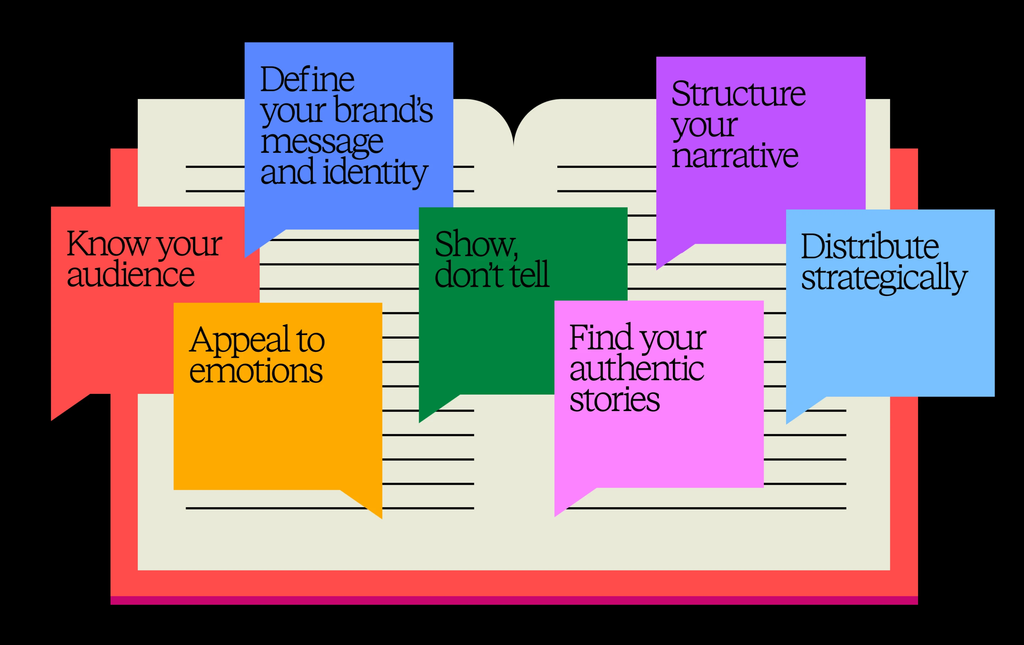
To truly build trust and foster brand loyalty, it is crucial to craft genuinely relatable brand stories. When marketers use storytelling to share experiences or challenges that resonate with your audience, it creates an immediate emotional connection. Compelling stories highlight genuine human elements, illustrating how products seamlessly solve real-world problems within authentic everyday scenarios. Effective storytelling ensures that the narrative feels authentic and personal, making your brand more approachable and trustworthy. Compelling stories highlight genuine human elements, illustrating how products seamlessly solve real-world problems within authentic everyday scenarios.
Art of Storytelling: Connecting with Your Audience
The art of storytelling in marketing is fundamentally about establishing a profound connection with your audience. This meaningful connection transcends mere transactions, fostering a sacred space where consumers feel genuinely understood, valued, and truly seen. Weaving stories rich in emotion and purpose creates a narrative that resonates deeply, building lasting affinity with your audience. This continuous process builds lasting trust, transforming your brand from a mere service provider into an essential, valued journey partner. Mastering storytelling ensures your brand message is felt deeply, building enduring emotional connections and unshakeable customer loyalty across time.
Case Studies: Brands that Utilize Storytelling
Examining various case studies clearly illustrates how the power of storytelling can significantly impact a brand’s success. Companies using effective storytelling report heightened brand loyalty and significantly stronger emotional connections with their consumers over time. Patagonia’s narrative focuses on environmental activism and product durability, leveraging storytelling to resonate with conscious consumers and symbolise sustainability. Airbnb’s “Belong Anywhere” campaign highlights diverse human experiences, demonstrating how their service facilitates unique connections to build immense trust.

Conclusion
Recap of the Power of Storytelling in Marketing
The power of storytelling has become one of the defining elements of modern marketing, helping businesses build stronger relationships with customers in an increasingly competitive digital landscape. Rather than simply promoting products or services, storytelling can help brands communicate their purpose, values, and mission in a way that resonates with people on a deeper level. Because people are naturally wired for storytelling, compelling narratives are far more memorable than traditional advertising alone.
Throughout this guide, we’ve explored the role of storytelling in creating authentic customer experiences and demonstrated why storytelling is a powerful marketing approach for businesses of every size. Whether you’re sharing customer success stories, founder journeys, behind-the-scenes content, or personal stories, the ability to tell meaningful narratives allows you to build trust and establish an emotional bond with your audience.
Successful brands understand that storytelling techniques go beyond entertainment—they educate, inspire, and persuade. The most effective campaigns use storytelling to simplify complex ideas, communicate brand values, and highlight the human side of a business. This effective marketing approach transforms ordinary content into memorable experiences that encourage customers to engage, share, and remain loyal over time.
Ultimately, storytelling delivers something that statistics and product features alone cannot: genuine human connection. By choosing to use storytelling in your marketing and consistently use storytelling in your content, you create memorable experiences that strengthen your brand-building efforts, increase your presence on social media, and establish a successful brand that customers genuinely want to support.
Future of Storytelling in Marketing
The future of marketing will continue to be shaped by innovation, technology, and changing consumer expectations, making storytelling even more valuable as brands compete for attention. As artificial intelligence, immersive media, personalization, and automation evolve, the potential of storytelling will expand beyond traditional formats into highly interactive customer experiences.
Modern businesses are increasingly combining creativity with analytics through data-driven storytelling. By learning from customer behavior and use data responsibly, marketers can create highly personalized campaigns that speak directly to customer interests, preferences, and purchasing habits. This combination of creativity and insights enables marketing teams to develop more relevant stories that strengthen customer engagement while maintaining authenticity.
Many marketing teams are already blending emotional storytelling with measurable business intelligence, proving that compelling narratives and analytics can work together. Data-driven storytelling helps businesses understand which messages resonate most, while still preserving the emotional authenticity that audiences value. The result is storytelling that feels personal while remaining strategically effective.
Emerging technologies such as augmented reality, virtual reality, interactive websites, and AI-generated personalization will further transform your marketing, allowing businesses to create immersive experiences unlike anything previously possible. Brands will increasingly use interactive content, personalized videos, and dynamic experiences to create a powerful connection with customers throughout every stage of the buyer journey.
However, despite rapid technological advances, one principle will remain unchanged: authenticity matters. Consumers continue to seek transparency and genuine communication from the companies they support. Great brands will continue to align with your brand values while maintaining consistency across every marketing channel.
For every chief marketing officer, entrepreneur, or business owner, investing in a well-defined storytelling strategy will remain one of the smartest long-term marketing decisions. As technology evolves, the brands that consistently tell authentic stories will continue to outperform competitors by creating stronger customer loyalty and deeper emotional engagement.
Final Thoughts on Building Your Brand Through Narrative
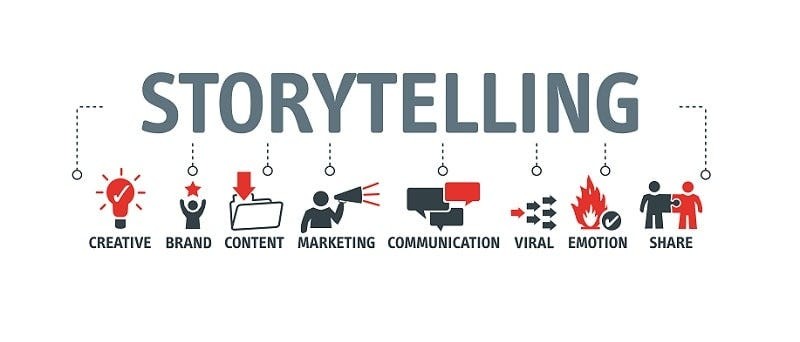
Effective brand building begins by defining who your brand truly is—its mission, values, personality, and purpose. Once that foundation is established, storytelling becomes the bridge that connects your business with your audience on an emotional level. This is where storytelling evokes feelings that inspire trust, admiration, and loyalty.
The best brands don’t simply advertise—they educate, entertain, inspire, and empower. There are countless examples of storytelling that have reshaped industries, from iconic global campaigns to small local businesses that built loyal communities by sharing authentic customer experiences. An excellent example of a brand using storytelling effectively is one that consistently communicates its purpose while remaining authentic across every touchpoint.
Classic storytelling principles remain just as effective today as they have been for centuries. Classic storytelling uses relatable characters, meaningful challenges, authentic emotions, and satisfying resolutions to engage audiences. Modern marketers simply adapt these timeless techniques across websites, blogs, videos, social media, podcasts, and digital marketing campaigns that drive traffic.
When you consistently use storytelling in your marketing, you move beyond simply promoting products—you create experiences that inspire conversations, encourage sharing, and drive customer advocacy. Storytelling becomes far more than another marketing tool; it becomes a strategic business asset that strengthens customer relationships and fuels sustainable growth.
Most importantly, storytelling helps make your business unforgettable. It makes your brand unique, reinforces your values, strengthens your brand identity that resonates, and builds lasting trust with your audience. By embracing the power of storytelling and making it a central part of your overall marketing strategy, you can transform your marketing, deepen customer relationships, and create a cohesive brand that stands apart from competitors.



















0 Comments