Master On-Page SEO With Proven Techniques, Smart Optimization Strategies, and Practical Tips to Improve Your Search Rankings
Welcome to the complete guide to on-page SEO! In this article, we’ll dive deep into the world of on-page SEO, exploring various SEO techniques and SEO strategies that can significantly improve your website’s search engine rankings. Whether you’re a beginner looking to grasp the SEO basics or an experienced marketer aiming to refine your on-page SEO strategy, this comprehensive guide will equip you with the knowledge and tools necessary to help search engines and users alike find and appreciate your content. Let’s embark on this journey to on-page optimization and unlock the potential of your online presence.
Understanding On-Page SEO
What is On-Page SEO?
On-page SEO, also known as on-site SEO, refers to the practice of optimizing individual pages on your site to rank higher in search engine results pages (SERPs) and appear in search results for relevant keyword searches. It’s about ensuring that both users and search engines understand the content and context of a page. Unlike off-page SEO, which involves activities conducted outside of your website, on-page SEO focuses on factors that you can directly control. Effective on-page SEO techniques involve optimizing page content, HTML source code, and overall site structure to improve user experience and enhance search engine crawlers’ ability to index and rank your pages. By mastering on-page SEO basics, you can significantly boost your SEO efforts and achieve better search engine rankings.
Importance of On-Page SEO
The importance of on-page SEO cannot be overstated, as it directly influences how well your website performs in search engine rankings. By focusing on on-page optimization, you enhance your chances of ranking for your target keyword and attract organic traffic. Effective on-page SEO strategies help search engines like Google understand the relevance and value of your page content, ensuring it appears in search engine results for relevant search queries. Furthermore, on-page SEO plays a crucial role in improving user experience. When your website offers fast page load speed, clear navigation, and valuable content, users are more likely to engage with your site and spend more time on each page, ultimately signaling to search engines that your website offers a better user experience and valuable content.
Key Elements of On-Page SEO
Several key elements contribute to effective on-page SEO. Keyword research forms the foundation, as identifying the right relevant keywords allows you to create content that aligns with user search intent. Optimizing title tags, meta descriptions, and header tags with your target keywords is crucial for helping search engines understand the context of your content. High-quality page content that provides value to users is paramount, as is ensuring a better user experience through factors like page speed and mobile-friendliness. Implementing structured data markup helps search engines better understand the information on your page, potentially leading to rich snippets in search results. Image optimization, including alt text and proper file sizing, also contributes to improved SEO and helps search in image search. Addressing these on-page SEO factors will significantly improve your website’s visibility and search engine rankings.
SEO Basics and Techniques
Fundamental SEO Techniques
Fundamental SEO techniques form the foundation of any successful website optimization strategy. On-page SEO involves optimizing the specific page on your website so that both users and search engines can easily understand the content and its purpose. Because on-page SEO is important for ranking, these improvements help search engines determine how relevant your page is for a particular query.
One of the most important on-page SEO practices is keyword research. Identifying the right keywords and understanding the type of content users are searching for helps you create content that matches search intent. When search engines can clearly see that your page answers a user’s question, it improves your visibility in search results and increases the chances of ranking directly in search results for relevant queries.
A key part of on-page SEO is optimizing core on-page elements, including:
Page titles and title tags
Meta descriptions
Header tags (H1, H2, H3)
Keyword placement in content
URL structure
Internal linking
These common on-page SEO improvements help search engines to understand what your page is about and signal that your content is relevant. For example, placing keywords naturally in headings and body text helps create content for search engines while still keeping it readable for visitors.
Using a page SEO checker or other SEO tools can help identify missing optimization opportunities. These tools highlight issues such as missing meta tags, weak keyword usage, or slow page speed. Since SEO is not a one-and-done process, regularly reviewing and improving these SEO tasks ensures your pages stay competitive in search rankings.
Understanding the difference between on-page and off-page SEO is also important. While on-page and off-page strategies both influence rankings, on-page SEO includes all optimizations performed directly on your website, while off-page SEO involves external signals such as backlinks and brand mentions.
Effective On-Page SEO Strategies
To improve your website’s performance in search engines, implementing strong SEO tactics focused on user experience is essential. Effective content SEO begins with producing valuable, relevant, and engaging content for search engines and readers alike. High-quality content signals to search engines that your page is useful, which can improve search rankings.
One of the most impactful on-page factors is the quality and structure of your content. Every page should have a clear purpose and address a specific topic. Google may prioritize content that provides clear answers and helpful information, so structuring your content with headings, lists, and concise paragraphs helps both users and search engines navigate it easily.
Image optimization also plays a critical role in on-page SEO. Images should include descriptive alt text, which helps search engines interpret visual content. Compressing images improves page speed, which is another critical ranking factor that affects user experience.
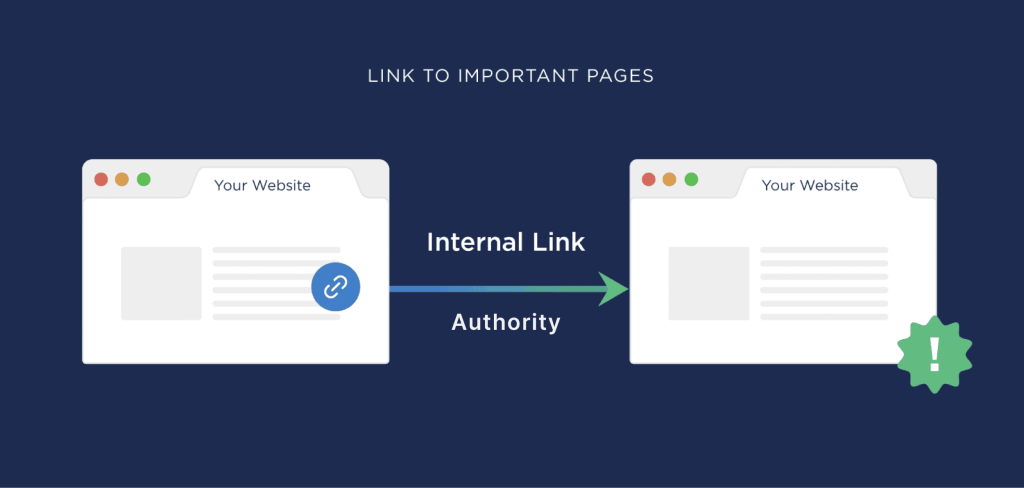
Internal linking is another important on-page SEO strategy. By linking related pages together, you help search engines that your site has a clear structure. Internal links distribute link equity throughout your site and guide visitors to other relevant resources, improving engagement and time on site.
Many marketers use a free on-page SEO checklist to ensure that each page meets optimization standards. Typical checklist items include:
Optimized title tag and meta description
Proper keyword placement
Internal links to related pages
Optimized images
Fast page loading speed
Clear heading structure
Following these best practices helps strengthen your content SEO strategy and improves your visibility in search results over time.
Advanced On-Page SEO Techniques
Once the basics are covered, advanced optimization methods can further enhance your website’s SEO performance. These advanced SEO tactics often involve technical improvements that help search engines interpret your content more accurately.
One of the most powerful advanced strategies is implementing structured data through schema markup. This is a part of on-page SEO that helps provide additional context about your content. Structured data allows your pages to appear with rich snippets, which can display information like ratings, FAQs, and product details directly in search results. These enhancements often increase click-through rates and improve overall visibility in search results.
Another essential step is performing a detailed SEO audit. This process identifies technical issues that may affect indexing and ranking. Technical SEO refers to the backend improvements that ensure search engines can crawl and index your website efficiently. Common problems discovered during audits include:
Broken links
Duplicate content
Crawl errors
Slow page load times
Missing metadata
Fixing these issues ensures that search engines to understand your website structure and content correctly.
Mobile optimization is also critical. Since Google may prioritize mobile-friendly websites through mobile-first indexing, your pages must load quickly and display properly on all screen sizes. A responsive design ensures users receive a consistent experience regardless of the device they use.
Finally, advanced optimization often combines both on-page and off-page strategies. While on-page SEO involves optimizing elements within your site, off-page SEO involves signals from outside your site such as backlinks, mentions, and authority signals. Together, these strategies help strengthen your site’s reputation and improve search rankings.
By continuously refining your on-page elements, using reliable SEO tools, and keeping your SEO tasks updated, you can build a strong optimization strategy that keeps your website competitive in search engines.
Keyword Research and Implementation
Conducting Keyword Research
Conducting thorough keyword research is a fundamental step in building a successful SEO strategy. Since on-page SEO important practices depend heavily on the right keywords, identifying the exact terms your audience searches for helps you create content that ranks and attracts the right visitors. Keyword research focuses on discovering the words and phrases people type into search engines when looking for information, products, or services related to your niche.
Understanding search intent is one of the most important aspects of keyword research. Search intent reveals why someone is searching — whether they want to learn something, compare options, or make a purchase. When your content aligns with the user’s intent, search engines are more likely to rank it higher in search results.
Effective keyword research also helps search engine crawlers understand what your pages are about. Crawlers scan your content to determine relevance, and clear keyword signals help them categorize and index your page correctly. When your pages are properly optimized with relevant keywords, it increases your chances of appearing in search engine results pages (SERPs).
Several tools can help with keyword discovery and analysis. Popular options include:
Selecting the right target keywords is essential for optimizing your content and improving your search engine rankings. Because on-page SEO important techniques rely on keyword relevance, choosing the right phrases ensures your content reaches the audience that is most likely to engage with it.
When evaluating potential keywords, consider the following factors:
Search Volume Search volume shows how many times a keyword is searched each month. Higher search volume can mean more traffic potential, but it often comes with greater competition.
Competition Level Highly competitive keywords can be difficult for newer websites to rank for. Targeting lower-competition keywords can provide faster ranking opportunities.
Relevance to Your Content Your keyword should directly relate to the topic of your page. If a keyword does not match your content, search engines and users may find your page less useful.
User Intent Understanding what the user wants when they search a keyword helps you create content that answers their question or solves their problem.
Using a mix of broad keywords and long-tail keywords is an effective strategy. Broad keywords typically attract more traffic, while long-tail keywords are more specific and often have higher conversion potential.
For example:
Broad keyword:
“SEO tools”
Long-tail keyword:
“best SEO tools for beginner bloggers”
By targeting a combination of these keyword types, you can capture a wider range of search queries and attract visitors at different stages of the buying journey.
When you select the right keywords and align them with helpful content, you increase your chances of ranking higher in search results and driving more organic traffic to your site.
Integrating Keywords into Content
Integrating keywords into your content is a critical part of on-page optimization. Once you have identified your target keywords, they should be placed strategically throughout your page to help search engines interpret your content.
Because on-page SEO important strategies depend on clear signals, search engines rely on keywords to understand the topic of a page. Proper keyword placement helps search engine crawlers determine how relevant your content is for specific search queries.
Key areas where keywords should be included include:
Page Title (Title Tag) Your title tag is one of the strongest ranking signals. Including your primary keyword here helps search engines understand the main focus of your page.
Headings (H1, H2, H3) Using keywords in headings helps organize your content and improves readability for both users and search engines.
Meta Description While meta descriptions do not directly impact rankings, including keywords can increase click-through rates when users see your page in search results.
Body Content Naturally include keywords throughout the article where they fit contextually. The goal is to make the content informative and useful rather than forcing keywords unnaturally.
URL Structure Short, descriptive URLs containing your target keyword help search engines and users quickly understand the page topic.
However, it is important to avoid keyword stuffing, which occurs when keywords are overused unnaturally. Search engines may penalize pages that try to manipulate rankings this way. Instead, focus on writing natural, valuable content that uses keywords organically.
Using related terms, synonyms, and semantic keywords can also help broaden your content’s reach. This allows your page to rank for multiple related search queries while keeping the content readable and engaging.
When keywords are integrated thoughtfully, your content becomes easier for both users and search engine crawlers to understand, improving your chances of ranking for relevant search terms and gaining more visibility in search results.
On-Page SEO Checklist
Essential On-Page SEO Elements
Essential on-page SEO elements are the building blocks for achieving high search engine rankings and a positive user experience. These on-page SEO factors include optimizing title tags with your target keyword to accurately reflect the page content and entice clicks from search engine results pages. Crafting compelling meta descriptions that summarize the page’s value proposition is vital. Using header tags (H1-H6) to structure your page content and incorporate relevant keywords helps search engines understand the hierarchy and context of your information. Additionally, optimizing image alt text ensures that search engines can properly index and rank your images, contributing to overall SEO performance and potentially boosting image search visibility.
Optimizing for User Experience
Optimizing for user experience is integral to effective on-page SEO, as search engines prioritize websites that provide a seamless and engaging experience for their users. A key aspect is ensuring fast page load speed, as slow-loading pages can lead to high bounce rates and lower rankings. Optimizing images, leveraging browser caching, and minimizing HTTP requests can significantly improve page speed. Clear and intuitive navigation helps users and search engines easily explore your website, enhancing user engagement. Mobile-friendliness is also crucial, as a responsive design ensures that your website looks and functions well on all devices, providing a better user experience and improving your search engine rankings.
Using Search Intent to Enhance SEO
Understanding and catering to search intent is paramount for enhancing your on-page SEO efforts. Search intent refers to the underlying goal a user has when entering a search query into a search engine. By aligning your page content with your niche and search intent, you increase the likelihood of satisfying the user’s needs and improving your search engine rankings. Identify whether users are seeking informational, navigational, transactional, or commercial page content, and tailor your website accordingly. Conduct keyword research to uncover the relevant keywords and phrases that align with specific search intentions. By prioritizing search intent, you can create valuable and relevant page content that resonates with your audience and helps search engines recognize your site’s authority and relevance.
Measuring On-Page SEO Success
Understanding Ranking Factors
Understanding ranking factors is crucial for measuring the success of your on-page SEO efforts. These ranking factors are various signals that search engines use to determine the relevance and authority of a website, ultimately influencing its position in search engine results. Key on-page SEO factors include the presence of relevant keywords in title tags, meta descriptions, and header tags, as well as the quality and depth of your page content. User experience metrics, such as bounce rate, time on page, and page load speed, also play a significant role in ranking. By tracking and analyzing these SEO ranking factors, you can gain insights into the effectiveness of your on-page optimization strategies and make data-driven adjustments to improve your search engine rankings.
Using Google Search Console
Using Google Search Console is essential for monitoring and improving your on-page SEO performance. This free tool provides valuable data and insights into how Google indexes and ranks your website. With Search Console, you can track your search engine rankings for your target keywords, identify crawl errors, and submit sitemaps to help search engines efficiently index your page content. You can also monitor your website’s mobile usability, page speed, and security issues. By regularly analyzing the data in Google Search Console, you can identify areas for improvement, optimize your on-page SEO strategies, and enhance your website’s visibility in search engine results. Furthermore, by addressing the SEO issues reported in Search Console, one can significantly help Google understand and index the page on your site correctly.
Analyzing Page Load Speed
Analyzing page load speed is a critical component of measuring on-page SEO success. Page speed is a significant ranking factor, as search engines prioritize websites that provide a fast and seamless user experience. Slow page load speed can lead to high bounce rates, lower search engine rankings, and decreased user engagement. Use tools like Google’s PageSpeed Insights to analyze your page speed and identify areas for improvement. Optimize images, leverage browser caching, minimize HTTP requests, and consider using a content delivery network (CDN) to enhance page speed. By continuously monitoring and improving your page load speed, you can provide a better user experience, improve your search engine rankings, and ultimately drive more organic traffic to your website, which will help search engines in overall SEO efforts.
Affiliate Marketing vs. Selling Your Own Products: Which Path Builds Faster Cash Flow and Bigger Long-Term Profits?
Deciding between affiliate marketing and selling your own products is a pivotal choice for any aspiring entrepreneur. Both avenues offer unique opportunities and challenges, and the “best” option often depends on your individual goals, resources, and risk tolerance. This article explores the nuances of affiliate marketing vs selling, examining the benefits and drawbacks of each approach to help you make an informed decision.
Understanding Affiliate Marketing
What is Affiliate Marketing?
Affiliate marketing is a performance-based marketing strategy where an affiliate marketer earns a commission for promoting other people’s products or services. Essentially, the affiliate acts as a third-party marketer, leveraging their platform, such as an affiliate website, to promote a product. When a customer purchases the product through their unique affiliate links, the affiliate receives a predetermined percentage of the sale. This method allows businesses to expand their reach and affiliates to generate income without the burden of creating and selling their own product.
How Affiliate Marketing Works
The process begins with a business, or merchant, that has a product to sell. They then create an affiliate program, offering a commission to affiliates to promote their offerings. The affiliate marketer joins the affiliate program and receives unique affiliate links to use when promoting the product. When a customer clicks on these affiliate links and makes a purchase, the transaction is tracked, and the affiliate receives their agreed-upon commission. This system benefits both parties, allowing businesses to reach a wider audience and affiliates to monetize their marketing efforts effectively.
Benefits of Using Affiliates to Promote Your Product
Affiliate marketing is one of the most powerful growth strategies for digital product creators. Whether you’re selling PLR products, online courses, eBooks, templates, or software tools, partnering with affiliates allows you to scale your reach without increasing your workload. Instead of relying only on paid ads or organic traffic, affiliates become your marketing partners — helping you attract new customers while you focus on creating and improving your products.
1. Expands Your Reach Without Extra Costs
One of the biggest advantages of affiliate marketing is the ability to reach new audiences fast. Affiliates already have established followings — bloggers, influencers, YouTubers, and email list owners who trust their recommendations. Why it matters: You get exposure to thousands of potential buyers without investing in ads or content creation.
2. Performance-Based Marketing (You Only Pay for Results)
Unlike paid advertising, you don’t spend money upfront. Affiliates only earn a commission when they successfully generate a sale. Why it matters: This reduces financial risk and improves profitability, especially for new creators.
3. Builds Credibility Through Third-Party Recommendations
People trust product recommendations from creators they follow. When affiliates recommend your product, it acts as social proof. Why it matters: Credibility leads to higher conversions — affiliates help your product sell faster because buyers trust them.
4. Accelerates Product Launches
A strong affiliate army can turn an average launch into a highly profitable one. Affiliates can promote your product across:
Email lists
Blogs
YouTube channels
Social media
Podcasts
Webinars Why it matters: You get a surge of visibility and sales during launch week — often 10x more than promoting alone.
5. Generates Evergreen Sales
Affiliate marketing isn’t just for launches. Many affiliates add your product to:
Resource pages
Automated email sequences
YouTube descriptions
Blog posts
Recommended tools lists Why it matters: Your sales continue consistently even when you’re not actively promoting.
6. Helps You Build a Stronger Network
Working with affiliates builds long-term relationships with industry experts, influencers, and digital marketers. Why it matters: These connections often lead to:
Collaborations
Cross-promotions
Guest blogging opportunities
Joint ventures
Bundle deals Partnerships grow your brand faster than working alone.
7. Enhances SEO and Brand Visibility
Affiliates often link back to your website or sales pages when promoting your product. Why it matters: More backlinks = better SEO rankings, increased domain authority, and higher visibility on Google.
8. Allows You to Focus on Product Creation
Instead of spreading yourself thin with marketing tasks, affiliates handle promotion while you focus on building better products. Why it matters: Higher product quality = more happy customers + more repeat buyers.
9. Boosts Social Proof and User-Generated Content
Affiliates often create:
Review videos
Tutorials
Blog posts
Social media content
Case studies Why it matters: This becomes user-generated marketing material that strengthens your product’s reputation.
10. Scalable and Easy to Automate
Modern affiliate platforms — such as System IO, ThriveCart, WarriorPlus, and JVZoo — make it simple to:
Track sales
Manage commissions
Approve affiliates
Pay automatically
Run launch contests Why it matters: You can scale to hundreds or thousands of affiliates without increasing operational work.
Selling Your Own Products
Creating Your Own Products
When deciding between affiliate marketing vs selling your own products, creating a product emerges as a significant undertaking. This involves identifying a market need, developing a product, and potentially dealing with manufacturing, especially for a physical product. The initial investment can be substantial, and the process can be time-consuming. However, creating a product allows for complete control over the offering, from design to branding, and the potential to generate profit is very high.
Benefits of Selling Your Own Products
Selling your own digital products is one of the most powerful ways to build long-term income online. Unlike affiliate marketing or freelancing, owning your products gives you full control over pricing, branding, customer experience, and profit margins. Whether you’re creating PLR products, online courses, templates, eBooks, or membership programs, selling your own digital assets offers unmatched scalability and financial freedom.
1. You Keep 100% of the Profit
When you sell your own products, there are no revenue splits, platform commissions, or affiliate cuts (unless you choose to use them strategically). Why it matters: Every sale boosts your bottom line, making your business more profitable with each new customer.
2. Total Control Over Your Brand and Offers
Selling your own products allows you to decide:
Product style and format
Pricing and discounts
Branding and visuals
Bonuses and upgrades
Sales funnels and customer journeys Why it matters: Full control means you can create a brand that reflects your vision and evolves with your market.
3. Builds Authority and Trust
When you create products, people see you as an expert. Over time, this boosts your credibility and positions your brand — IMMozie — as a trusted authority in the digital marketing space. Why it matters: Strong authority leads to more traffic, more customers, and higher-priced offers.
4. Creates Passive and Scalable Income
Digital products don’t require physical inventory, shipping, or handling. Once created, they can be sold repeatedly with minimal ongoing effort. Why it matters: Your income grows without increasing your workload, giving you true scalability.
5. Full Ownership of Customer Data
When customers buy directly from you, you gain access to valuable data such as:
Email addresses
Purchase history
Customer preferences
Engagement behavior Why it matters: Owning this data lets you create targeted marketing campaigns, upsells, and future product launches.
6. Unlimited Upsell and Cross-Sell Opportunities
With your own products, you can easily build profitable funnels that include:
Upsells
Downsells
Order bumps
Product bundles
Membership upgrades Why it matters: These strategies significantly increase your average order value — without additional ad spend.
7. You Can Build a Loyal Customer Base
A customer who buys from you once is more likely to buy again. By offering valuable, high-quality products, you can turn one-time buyers into long-term customers who trust your recommendations. Why it matters: Repeat customers help stabilize your income and reduce marketing costs.
8. You Control the Customer Experience
From the moment someone lands on your website to the post-purchase sequence, every step of the journey is yours to shape. Why it matters: A strong customer experience increases satisfaction, retention, and word-of-mouth referrals.
9. More Flexibility in Your Business Model
Selling your own products opens up countless possibilities:
PLR product stores
Online academies
Membership sites
Coaching programs
High-ticket offers Why it matters: You can diversify your income with multiple product types that all connect to your main brand.
10. Builds Long-Term Business Equity
Digital products build assets. As your catalog grows, so does the value of your business. Why it matters: You’re not just earning income — you’re building a brand with real equity that can be sold, expanded, or scaled.
Challenges in Product Creation
Despite the benefits, selling your own products presents significant challenges. Developing a product requires substantial upfront investment, including research, development, and potentially manufacturing costs. Marketing and sales are entirely your responsibility, demanding expertise in areas like SEO, advertising, and customer service. Competition can be fierce, and it may take time to establish a strong market presence. Successfully creating and selling products requires significant effort and resources compared to affiliate marketing.
Affiliate Programs and Commission Structures
Types of Affiliate Programs
When you want to use affiliate programs, there are various types available, each with its own structure and focus. Some programs are product-based, promoting products that align with your audience’s interests. Others focus on promoting products related to a niche, allowing you to offer a range of solutions. Commission structures also vary, from per-sale commissions to recurring revenue models for subscription services.
Understanding Commission Rates
Understanding commission rates is crucial for achieving success in affiliate marketing. Commission rates vary widely, ranging from a few percent to 75% or more, depending on the niche, the product, and the affiliate program. Physical products often have lower commissions due to manufacturing and distribution costs, while digital products tend to offer higher percentages. Researching average commission rates in your niche helps you identify profitable affiliate programs and optimize your income potential with each sale you close.
How to Choose an Affiliate Program
Choosing the right affiliate program is essential for maximizing your earnings and ensuring a good fit with your audience. Consider factors such as the relevance of the product to your niche, the quality and reputation of the merchant, and the commission structure offered. Evaluate the program’s support and resources, as well as the tracking and reporting tools provided. By carefully vetting affiliate programs, you can select opportunities that align with your goals and values.
SEO Considerations for Affiliate Marketing and Selling Products
SEO Strategies for Affiliate Marketing
Search engine optimization (SEO) is one of the most powerful ways to drive long-term, passive traffic to your affiliate offers. When done correctly, SEO helps your content rank higher on Google, attract targeted visitors, and increase click-through rates on your affiliate links — all without relying on paid ads or constant posting. Here are the most effective marketing strategies affiliates can use to build sustainable income streams.
1. Start With Thorough Keyword Research
Keywords are the foundation of affiliate SEO. You want to target terms with strong buyer intent such as:
“Best [product] for…”
“[Product] review”
“Top alternatives to…”
“How to choose…” Use tools like Ahrefs, SEMrush, Ubersuggest, or Google Keyword Planner to find keywords with:
High search volume
Low to medium competition
Clear purchase intent Why it matters: The right keywords attract visitors who are ready to buy.
2. Create High-Quality, Helpful Content
Google rewards content that genuinely helps the reader. Focus on creating in-depth, value-rich posts such as:
Product reviews
Comparison guides
How-to tutorials
List posts (“Best X tools”)
Case studies Why it matters: The more helpful your content, the more likely it is to rank and convert.
3. Optimize Your On-Page SEO
Small optimizations make a big difference. Make sure to:
Use your target keyword in your title, first paragraph, and sub-headings
Optimize meta description with compelling copy
Include your affiliate links naturally
Add internal links to related articles
Use descriptive image alt tags
Structure your content with clear H2s and H3s Why it matters: On-page SEO helps search engines understand your content and improves user experience.
4. Build Strong Backlinks
Backlinks signal authority and trust. Powerful ways to get them include:
Guest posting
Niche edits
Creating link-worthy resources
Reaching out to bloggers for collaborations
Publishing data-driven or expert-based articles Why it matters: The more high-quality backlinks you earn, the higher your articles rank — which means more affiliate revenue.
5. Focus on User Intent
Google ranks content based on how well it satisfies user intent. If someone searches for “best SEO tools,” they want a list of tools — not a generic post about SEO. Why it matters: Matching intent increases engagement, reduces bounce rates, and boosts ranking potential.
6. Improve Page Speed and Mobile Experience
Most affiliate visitors come from mobile devices. Slow pages lead to lost clicks and lost commissions. Optimize by:
Compressing images
Using lightweight themes
Enabling caching
Removing unnecessary plugins Why it matters: Faster sites rank better and convert more visitors.
7. Use Comparison Tables and CTAs
Comparison tables make decisions easier and boost click-through rates. Add clear CTAs such as:
“Get the best price”
“Try this tool free”
“See full features” Why it matters: CTAs guide your audience to take action, increasing affiliate revenue.
8. Keep Content Fresh and Updated
Affiliate keywords are competitive. Updating your posts regularly helps maintain rankings. Update by:
Adding new product comparisons
Changing outdated screenshots
Updating pricing and features
Improving readability Why it matters: Fresh content tells Google your article is current and reliable.
9. Use Internal Linking Strategically
Link to related posts across your site to keep visitors engaged. Examples:
Link “Best Email Marketing Tools” to “How to Build an Email List”
Link “Best SEO Tools” to “SEO Tips for Beginners” Why it matters: Internal links help Google crawl your site and boost the authority of key pages.
10. Add Schema Markup for Better SERP Visibility
Schema (rich snippets) can help your content appear with:
Star ratings
FAQs
Product details This increases clicks dramatically. Why it matters: Higher click-through rate (CTR) = better rankings + more affiliate sales.
SEO for Your Own Product Website
If you’re selling your own digital products — whether PLR packages, online courses, templates, or eBooks — SEO plays a crucial role in attracting organic traffic and generating consistent sales. Unlike social media or paid ads, search engine optimization helps your website rank for keywords your ideal customers are actively searching for. Strong SEO means more visibility, more traffic, and more conversions — all without ongoing advertising costs.
1. Start With Targeted Keyword Research
Choose keywords that match what your potential customers are looking for. Examples include:
“PLR products for beginners”
“How to create digital products”
“Online course templates”
“SEO tools for small businesses” Look for terms that show buyer intent, such as:
“Buy…”
“Download…”
“Best tools for…”
“Product name + review” Why it matters: Ranking for the right keywords brings highly motivated buyers directly to your website.
2. Optimize Your Product Pages for SEO
Your product pages are money-making assets. Make sure they include:
A keyword-rich product title
A compelling meta description
Clear H1, H2, and H3 headings
Bullet lists of product features and benefits
High-quality visuals or mockups
Internal links to related products
Strong calls to action (CTAs) Why it matters: Well-optimized product pages convert visitors into customers more efficiently.
3. Create Supporting Blog Content
Blog posts help your product website rank for multiple keywords and topics related to your niche. For example: If you sell PLR planners → write posts about productivity, planner usage, or digital product ideas. If you sell an email marketing course → publish posts on email list growth, automation, or segmentation. Why it matters: Blog content brings traffic that naturally leads visitors into your product funnels.
4. Build Internal Link Structures That Boost Rankings
Internal linking is a powerful SEO strategy that keeps visitors engaged and helps Google understand your site’s structure. Examples:
Link blog posts to relevant product pages
Link product pages to category pages
Add “Related Articles” or “Related Products” sections Why it matters: This boosts the authority of important pages and improves your site’s overall SEO performance.
Comparing SEO Results: Affiliate Marketing vs. Selling
Comparing SEO results between affiliate marketing vs selling your own products reveals distinct advantages and challenges. Affiliate marketing may benefit from leveraging the established authority of larger websites, while selling your own products allows for complete control over on-page optimization and content strategy. You can use affiliate websites to directly compare products. Ultimately, the success of SEO depends on consistent effort, strategic keyword targeting, and delivering valuable content that meets the needs of your target audience.
Making the Choice: Affiliate Marketing vs Selling Your Own Products
When to Choose Affiliate Marketing
Choosing affiliate marketing is often ideal for individuals or businesses with limited resources or a desire to avoid the complexities of product creation. If you have a strong online presence and audience, you can leverage your platform to earn a commission by promoting products that align with your audience’s interests. Affiliate marketing offers a low-risk, cost-effective way to generate income without the burden of inventory management, product development, or customer support. By using affiliates to promote your product, you can quickly expand your reach.
When to Sell Your Own Products
Selling your own products is advantageous when you seek greater control over branding, quality, and customer experience. If you have a unique product idea or a passion for a particular niche, creating a product allows you to fully realize your vision. This approach also offers the potential for higher profit margins, as you retain the majority of the revenue. Selling digital products can further reduce overhead costs, making it an attractive option for entrepreneurs seeking long-term, sustainable growth. Choosing affiliate marketing vs selling your own products depends on your goals.
Conclusion: Which Method is Better for You?
In conclusion, the choice between affiliate marketing vs reselling PLR products for profit depends on your individual circumstances and objectives. Affiliate marketing provides a low-barrier entry point for those seeking to monetize their online presence, while selling your own products offers greater control and profit potential, but requires more significant investment and effort. Both paths can lead to success with the right strategy and commitment. Consider your resources, risk tolerance, and long-term goals to determine which method is better suited for you.
Frequently Asked Questions
Is affiliate marketing better than trying to sell a product I make?
Affiliate marketing can be better in many cases because it requires lower upfront cost and risk: you don’t need to make your product, manage inventory, or handle shipping. It lets you promote existing products and earn affiliate commission while focusing on content and relationships to drive search traffic clicks and referrals. However, selling your own product gives you more control over pricing, branding, and keeping your customer data. The right choice depends on your skills, capital, and whether you prefer affiliate marketing for flexibility or want to create and sell a product for long-term value.
How do I choose which affiliate product or products to promote?
Choose products to promote by matching the product you’re promoting to your audience’s needs and intent. Look for affiliate programs that offer fair affiliate commission, good conversions, and relevant complementary products you can cross-sell. Consider traffic sources—high traffic website owners may monetize well with low-cost items, while niche blogs benefit from higher-ticket offers. Also evaluate merchant reliability, conversion rates, and whether they offer an affiliate program that supports tracking and creatives.
Should I create my own private label product or promote existing products as an affiliate?
Private label and creating your own product give you brand control and higher margins but require upfront investment to make your product, manage fulfillment (FBA is an option if selling on Amazon), and handle customer service. Promoting existing products lets you increase your reach quickly without production costs. If you have a list of buyers or strong content and relationships, creating a private label can pay off; if you need speed and low risk, promoting existing products is often preferable.
Can influencers on Instagram or guest post sites help when promoting that product as an affiliate?
Yes. Influencers on Instagram can drive immediate visibility and sales for an affiliate product, especially for visually appealing items. Guest post sites and guest posts can generate backlinks and targeted search traffic clicks that convert over time. Combining influencer promotions with content-driven guest posts gives both short-term spikes and long-term organic traffic to promote that product effectively.
What are the biggest mistakes affiliate marketers forget when switching from selling your own products?
Affiliate marketers often forget about keeping your customer relationship and brand control—when you promote other merchants, you don’t own the customer. They also neglect diversifying offers and promoting complementary products to increase lifetime value. Relying on a single product or merchant, failing to track conversions, and ignoring content and relationships can reduce long-term stability. Always have multiple income streams and build an audience you can re-target.
How do affiliate commissions compare to profits when you sell a product yourself?
Affiliate commission is typically a percentage of sale and can be anywhere from a few percent to 50% or more for digital products; profit margins when you sell a product yourself can be higher because you keep the full margin but must cover production, fulfillment, returns, and marketing. While affiliate marketing offers quicker monetization with less overhead, making and selling your own product can give you higher lifetime value per customer and the ability to offer subscriptions or complementary products.
Can an amazon review website be effective for both affiliate marketing and selling private label products?
An amazon review website can be highly effective for affiliate marketing by capturing search traffic clicks and directing readers to affiliate links. It can also be used to validate demand and identify gaps before you launch a private label product. However, promoting your own FBA private label from the same site requires careful disclosure and content balance—promoting the same product you sell can boost sales but be transparent and continue to provide unbiased, helpful reviews.
How do I increase your reach and get more conversions whether I affiliate or sell a product?
To increase your reach, combine organic search strategies (SEO, high-quality content, guest posts) with paid ads and social influencers. Promote complementary products, build a list of buyers through lead magnets, and use email to nurture prospects. For affiliates, focus on comparison content and reviews; for product owners, emphasize unique features, customer testimonials, and retention tactics like subscriptions. Both paths benefit from A/B testing pages, tracking search traffic clicks, and leveraging relationships to amplify offers.