
Landing Page Optimization Best Practices
Welcome to the ultimate guide on landing page optimization best practices, where you will learn how to turn casual page visitors into loyal customers. In today’s competitive digital marketing landscape, simply driving traffic to a web page is no longer enough to guarantee success for your business. You must actively optimize your landing page to ensure it meets the exact expectations of your audience while aligning with your broader marketing campaign goals. By implementing proven landing page best practices, you can significantly enhance the user journey, reduce bounce rates, and ultimately drive meaningful business growth through strategic conversion optimization techniques.
Understanding Landing Page Optimization
What is Landing Page Optimization?
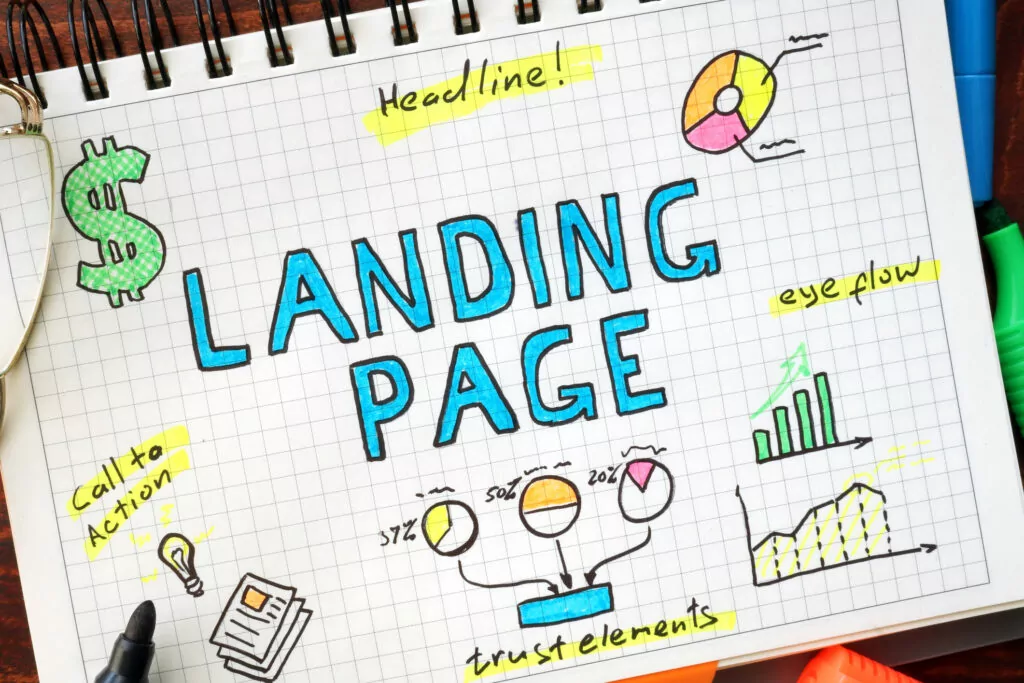
Landing page optimization is the systematic process of improving elements on a specific web page to maximize your landing page’s conversion rate and achieve your business objectives. This practice involves rigorous testing and data analysis to understand how page visitors interact with your content and where they drop off in the funnel. When you execute landing page optimization best practices, you are essentially fine-tuning every aspect of the user experience to ensure that the highest possible percentage of traffic takes the desired action, whether that involves purchasing a product or service, signing up for a newsletter, or downloading a valuable resource.
The Importance of Landing Page Design
Effective landing page design plays a critical role in shaping the initial impression that potential customers form about your brand. Following established landing page design best practices ensures that your layout is visually appealing, intuitive, and completely free of unnecessary distractions that might confuse your audience. A well-structured landing page guides visitors naturally from the headline down to the call to action, creating a seamless visual hierarchy. When you carefully consider every element of landing page design, you build immediate trust and credibility, which are essential psychological drivers for turning a curious browser into a confident buyer on a high-converting landing page.
Key Elements of a High-Converting Landing Page
Building a high-converting landing page requires a careful combination of persuasive page copy, compelling imagery, and strategic placement of interactive page elements. To create a landing page that consistently delivers results, you should utilize a reliable page builder and incorporate proven landing page templates that have been tested across various industries. Every optimized landing page relies on clear value propositions, fast page load speeds, and frictionless forms to capture lead information effectively. By adhering to the best practices for landing page creation and continuously monitoring your landing page’s performance, you can identify what works best and continually refine your strategy for long-term digital marketing success.
Best Practices for Landing Page Design
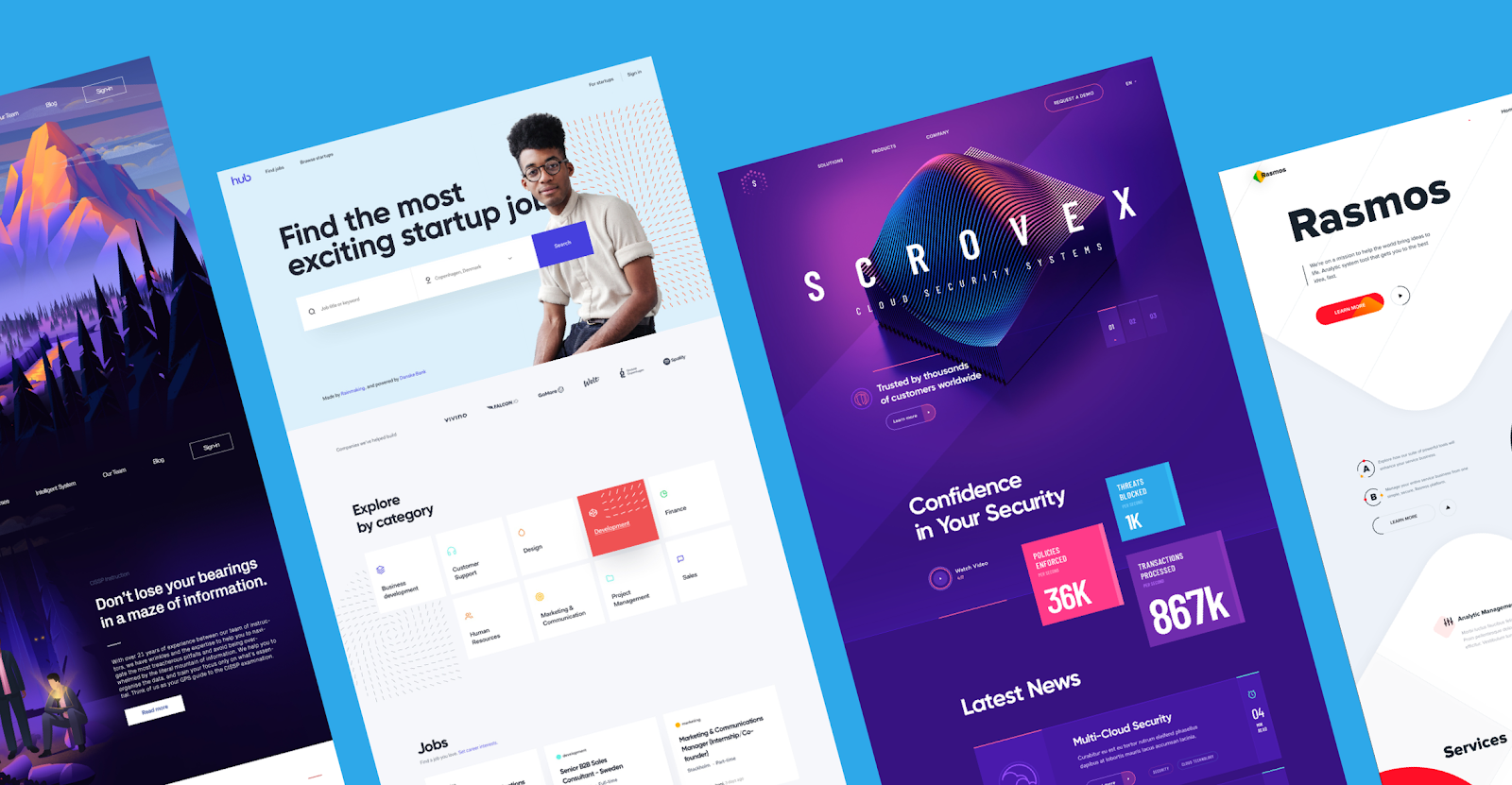
Creating a successful landing page requires more than an attractive layout and persuasive marketing copy. A well-designed landing page should capture attention, communicate value, build trust, and encourage visitors to complete a specific action. Whether your objective is generating leads, selling products, promoting services, or increasing email subscriptions, following proven landing page design best practices can significantly improve your conversion rates.
Unlike traditional pages on your site, which may contain multiple navigation options and competing messages, landing pages are often created for a specific marketing campaign. Their primary purpose is to guide visitors toward a clearly defined conversion goal, such as completing a form, downloading a resource, requesting a quotation, or purchasing a product.
The most effective landing pages combine compelling headlines, engaging visuals, persuasive copy, intuitive layouts, and strategically positioned calls to action. Understanding these essential elements is the foundation of building high-converting landing pages that deliver measurable results.
When you create landing pages, consider the following essential design principles:
Focus on a single conversion goal: Every landing page should have one primary objective that guides its content and layout.
Maintain visual consistency: Match the design, branding, and messaging of the advertisement or marketing campaign that directs visitors to the page.
Keep the layout simple: Eliminate unnecessary distractions and highlight the information that matters most.
Use persuasive messaging: Explain how your product or service solves a specific customer problem.
Include clear calls to action: Make it obvious what visitors should do next.
Build credibility: Incorporate genuine customer testimonials, reviews, guarantees, and relevant trust signals.
Optimize for mobile devices: Ensure visitors can navigate and complete actions easily on smartphones and tablets.
These design best practices that help improve usability also contribute to a more professional and trustworthy brand experience.
Creating a Compelling Headline

Your landing page headline is one of the first elements visitors notice when they arrive. Within seconds, it should communicate what you’re offering, who it’s intended for, and why the visitor should continue reading.
An effective headline captures attention by focusing on the benefits of your product or service rather than simply describing its features.
For example, instead of writing:
“Professional Email Marketing Software”
Consider a more benefit-driven alternative:
“Grow Your Email List and Turn More Subscribers Into Paying Customers”
The second headline immediately communicates a desirable outcome and gives potential customers a compelling reason to explore the offer.
Write Headlines That Communicate Your Value Proposition
A great landing page begins with a strong value proposition. Your headline should answer the visitor’s most important question: What’s in it for me?
To create effective headlines:
Highlight the primary benefit: Explain what customers gain from your offer.
Address a specific problem: Demonstrate that you understand your audience’s challenges.
Use clear language: Avoid unnecessary jargon and complicated terminology.
Create curiosity without misleading visitors: Encourage readers to explore the offer while setting realistic expectations.
Match your advertising message: Maintain consistency between your advertisements and landing page content.
Test different variations: Experiment with benefit-driven headlines, questions, and specific value propositions.
A successful landing page is focused on communicating one primary message. Rather than overwhelming visitors with multiple competing offers, focus on a single promise that directly supports your conversion objective.
Support Your Headline With Persuasive Subheadings
Your headline attracts attention, while supporting subheadings provide additional context.
For example:
Headline: “Create Professional Online Courses Without Technical Experience”
Subheading: “Build, launch, and sell your first online course using customizable templates, simple tools, and step-by-step guidance.”
This combination communicates the offer, identifies its intended audience, and highlights the benefits.
When planning your content, always ensure that your landing page headline and subheading work together to create a clear, compelling introduction.
Tailor Your Headline to Your Target Audience
Different audiences respond to different messaging.
A small business owner might value affordability and simplicity, while a marketing agency may prioritize automation, advanced features, and scalability.
Therefore, tailor your landing page messaging to the needs, expectations, and buying motivations of your intended visitors.
A headline that directly addresses a customer’s needs is more likely to encourage engagement than a generic statement aimed at everyone.
Effective Use of Images and Videos

Visual elements are essential components of effective landing page design. High-quality images, engaging videos, illustrations, and product demonstrations help communicate information quickly while making your offer more appealing.
However, visual content should support the purpose of the page rather than distract visitors from the desired action.
A thoughtfully selected image can demonstrate how a product works, showcase its benefits, or help visitors imagine themselves using your service.
Choose Relevant, High-Quality Images
The images you select should reinforce your marketing message and contribute to a professional presentation.
Effective visual content includes:
Product photographs: Showcase physical products from multiple angles.
Software screenshots: Demonstrate important features and user interfaces.
Lifestyle images: Help visitors visualize the benefits of your products or services.
Infographics: Explain complicated information through easy-to-understand visuals.
Customer photographs: Add authenticity to testimonials and success stories.
Before-and-after examples: Demonstrate genuine improvements where appropriate.
For example, a lead generation landing page promoting a free digital marketing guide could display a professional mockup of the downloadable eBook.
This gives visitors a clear understanding of what they’ll receive after submitting their information.
Use Videos to Demonstrate Value
Videos can be particularly useful for explaining products or services that require additional context.
Consider incorporating:
Short product demonstrations
Explainer videos
Customer testimonials
Software walkthroughs
Educational previews
Behind-the-scenes presentations
A concise product demonstration may communicate more effectively than several paragraphs of text.
However, videos should load efficiently, include captions where appropriate, and avoid distracting autoplay behavior.
Optimize Images and Videos for Loading Speed
Large image files and unoptimized videos can slow down your website and create a frustrating user experience.
To make your landing page load efficiently:
Compress images before uploading them.
Use modern formats such as WebP or AVIF where appropriate.
Resize images to suitable display dimensions.
Avoid unnecessarily large background videos.
Lazy-load nonessential images below the initial viewport.
Use responsive image techniques.
Test performance on mobile devices.
A fast-loading landing page provides visitors with a smoother experience and reduces the risk of losing potential customers before they interact with your offer.
Maintain Visual Hierarchy and Consistency
The design of your landing page should guide attention naturally from the headline to the benefits, supporting evidence, and primary call to action.
Use:
Contrasting colors for important buttons
Consistent typography
Adequate white space
Clearly separated content sections
Visually distinct headings
Relevant images near supporting text
These practical landing page design tips help create a cohesive presentation that supports your conversion objectives.
Designing for User Experience
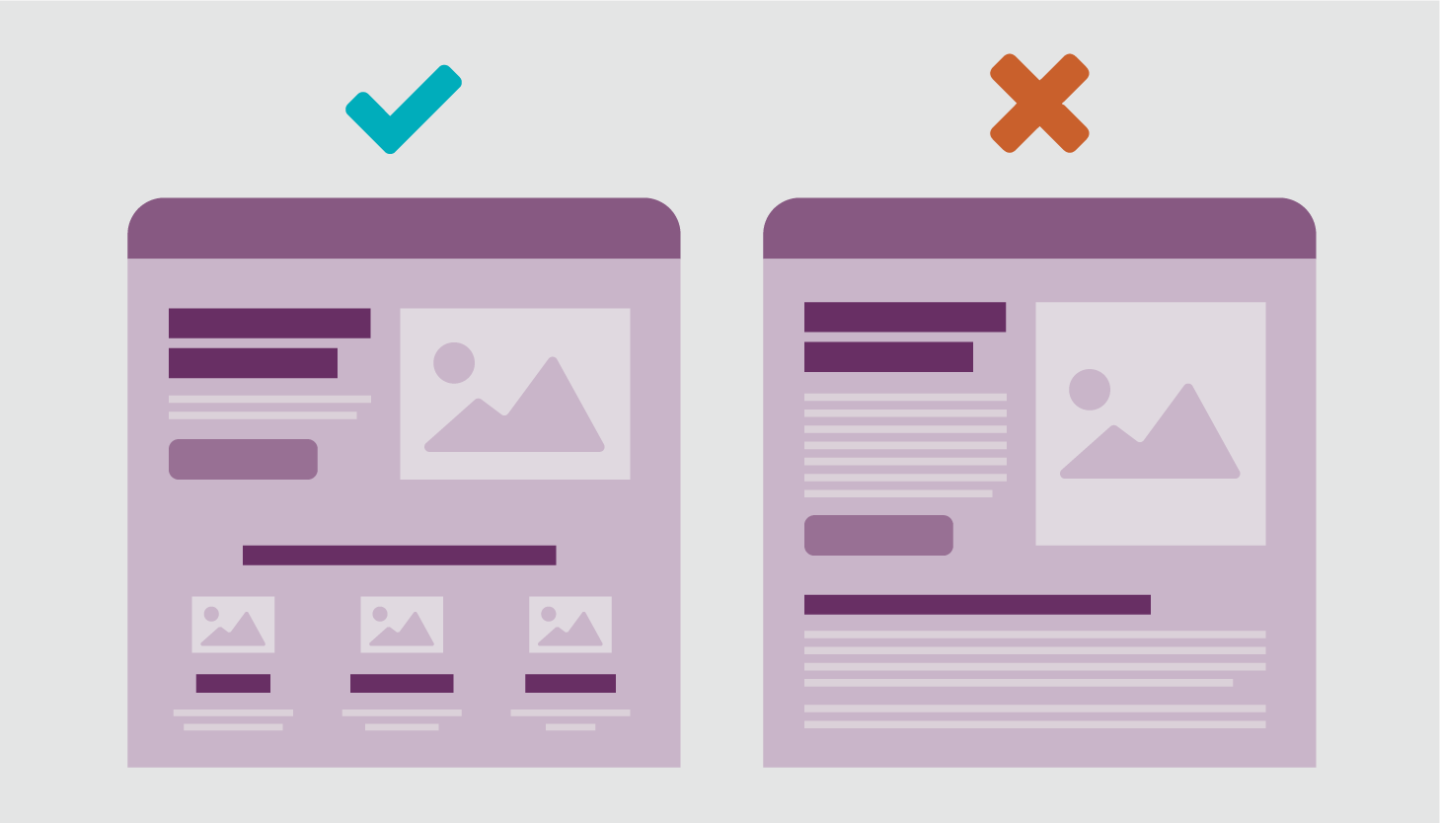
User experience plays a central role in successful landing page optimization. Even an attractive landing page can struggle to convert if visitors cannot understand the offer, locate important information, or complete the desired action.
A high-converting landing page experience should feel intuitive from the moment someone arrives until they complete the conversion process.
Every design decision should reduce unnecessary friction while making the next step obvious.
Keep Navigation Simple and Distraction-Free
Traditional websites often include extensive menus, sidebars, and multiple calls to action. However, campaign-specific landing pages typically benefit from a more focused structure.
The primary objective of a landing page is to get visitors to complete one meaningful action.
Depending on your offer, that action might involve:
Signing up for a newsletter
Downloading an eBook
Registering for a webinar
Requesting a consultation
Starting a free trial
Purchasing a digital product
Booking a service
Consider limiting unnecessary navigation links when they distract from the conversion goal. However, retain important information such as privacy policies, contact details, and other relevant disclosures.
Optimize Your Call-to-Action Buttons
Your call to action (CTA) is one of the most important conversion elements.
An effective CTA should clearly explain what happens when visitors click.
Examples include:
Download Your Free Guide
Start Your Free Trial
Get My Free Template
Request a Free Quote
Enroll in the Course
Create Your Account
Book Your Consultation
Avoid relying exclusively on vague phrases such as “Submit” or “Click Here.”
Instead, communicate the specific benefit or action.
Position your primary CTA prominently near the beginning of the page and repeat it strategically on longer pages where additional information is necessary.
Simplify Forms to Increase Conversions
Forms are especially important for lead generation campaigns.
Requesting too much information can discourage visitors from completing a form, particularly when the perceived value of the offer is relatively low.
For example, someone downloading a free checklist may only need to provide an email address, while a visitor requesting a business quotation might reasonably be asked for additional details.
Follow these form optimization practices:
Request only necessary information.
Use descriptive field labels.
Clearly identify required fields.
Provide helpful error messages.
Support autofill where possible.
Make buttons easy to tap on mobile devices.
Explain how submitted information will be used.
The easier the process, the more likely visitors are to complete it.
Choose the Right Landing Page Length
There is no universally ideal page length for every landing page.
A simple newsletter signup may require only a headline, short description, and email form. In contrast, an expensive online course or consulting service may require detailed benefits, testimonials, FAQs, pricing information, and supporting evidence.
When determining the appropriate length, consider:
The complexity of your offer
The price of your product or service
Your audience’s familiarity with your brand
The amount of trust required
The visitor’s stage in the buying journey
A landing page might seem more effective when it’s extremely short, but removing essential information can create uncertainty.
The objective is to provide enough information to support a confident decision without introducing unnecessary distractions.
Prioritize Mobile Responsiveness and Accessibility
Many visitors to your landing page will arrive through mobile search, social media advertisements, or email campaigns.
Therefore, landing pages need responsive layouts that adapt smoothly to different devices.
To ensure your landing page performs effectively:
Use readable font sizes.
Provide sufficient color contrast.
Make buttons easy to tap.
Avoid horizontal scrolling.
Use accessible form labels.
Provide alternative text for meaningful images.
Support keyboard navigation.
Test layouts on multiple screen sizes.
Making sure your landing page is accessible improves usability for people with different needs and helps create a more inclusive digital experience.
Strategies to Optimize Your Landing Page

Landing page optimization is the process of improving individual elements of a landing page to increase the percentage of visitors who complete a desired action.
Rather than assuming your original design is the most effective, successful marketers continuously analyze performance, test improvements, and refine their pages based on evidence.
A comprehensive landing page optimization guide should address everything from headline effectiveness and visual design to technical performance, SEO, conversion tracking, and audience behavior.
The following practices for landing page optimization can help businesses improve engagement, generate qualified leads, and increase sales.
Utilizing A/B Testing
A/B testing, also known as split testing, is one of the most effective methods for improving landing page conversions.
The process involves creating two versions of a page and randomly directing comparable groups of visitors to each version.
By comparing performance, marketers can determine which variation produces better results.
What Should You A/B Test?
You can experiment with several important elements, including:
Headlines and subheadings
CTA button wording
Button placement
Images and videos
Form length
Testimonials
Pricing presentation
Page layouts
Trust signals
Offer descriptions
For example, you might compare two calls to action:
Version A: “Sign Up Now”
Version B: “Get Your Free Marketing Guide”
If Version B produces a higher conversion rate with sufficient reliable data, it may be the stronger choice for that audience.
Follow a Structured Testing Process
To improve the reliability of your results:
Identify a problem: Determine which part of your landing page needs improvement.
Develop a hypothesis: Predict how a specific change could improve conversions.
Create a variation: Change the element you want to evaluate.
Split traffic: Randomly distribute visitors between the versions.
Measure results: Compare conversions and relevant supporting metrics.
Evaluate the evidence: Consider sample size, uncertainty, and practical impact.
Implement improvements: Apply successful changes and continue testing.
Testing one major element at a time makes it easier to understand what influenced performance.
Use A/B Testing to Improve Conversion Rates
A/B testing is particularly effective for landing page optimization because it replaces assumptions with measurable evidence.
However, not every test will produce a meaningful improvement. Small sample sizes and random fluctuations can lead to misleading conclusions.
Focus on meaningful business outcomes rather than declaring a winning variation prematurely.
Continuous experimentation can help you discover the changes that better your landing pages and improve the overall customer journey.
Incorporating SEO Best Practices
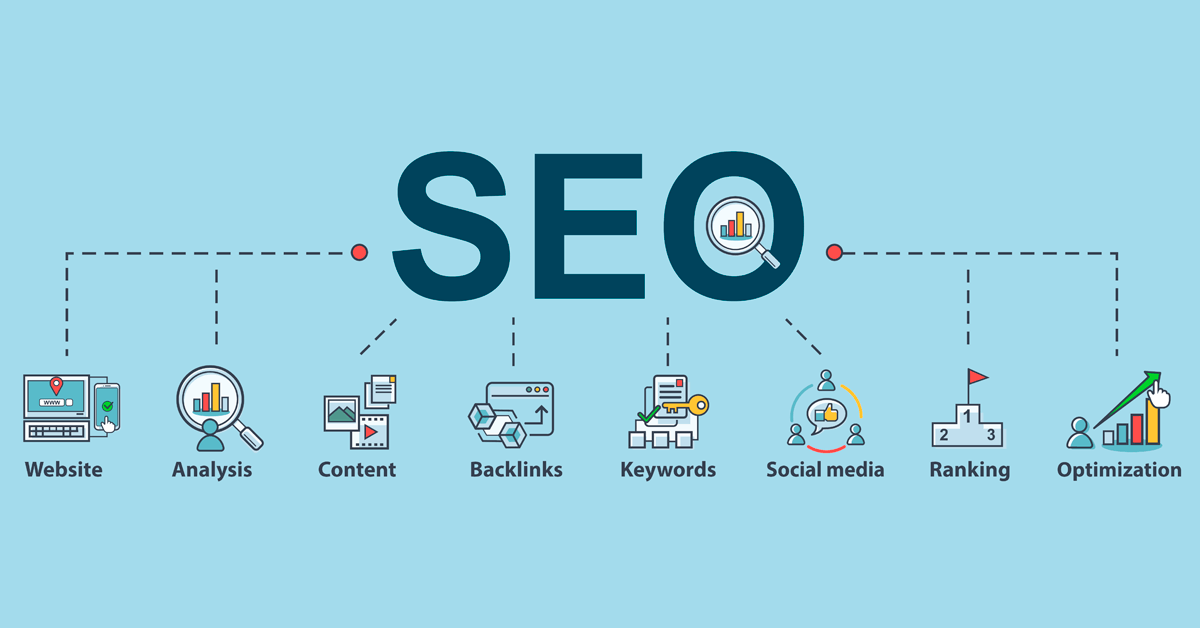
Search engine optimization can help landing pages attract relevant organic traffic without relying exclusively on paid advertising.
While some campaign-specific pages are designed primarily for paid traffic, evergreen landing pages can benefit significantly from search visibility.
The key is aligning your page content with relevant search intent while maintaining a clear conversion objective.
Find the Best Keywords for Your Landing Page
Keyword research should be part of your landing page creation process.
Before developing the content, find the best keywords that accurately describe your offer and match what potential customers are searching for.
Useful research tools include:
Google Keyword Planner
Google Search Console
Ahrefs
Semrush
Ubersuggest
Google Trends
When selecting keywords for your landing page, consider:
Search intent
Keyword relevance
Search demand
Competition
Geographic targeting
Commercial value
The specific product or service being promoted
The best keywords for your landing page are not necessarily those with the highest search volume. More specific phrases with strong commercial intent may attract visitors who are closer to making a purchase.
Optimize Important On-Page SEO Elements
Once you’ve identified relevant keywords, incorporate them naturally into your content.
Important elements include:
SEO title: Write a descriptive title that accurately reflects the offer and incorporates the primary keyword where appropriate.
Meta description: Summarize the page’s value and encourage relevant users to click.
Main heading: Create a compelling H1 that communicates the primary benefit.
Subheadings: Organize supporting information using descriptive H2 and H3 headings.
URL structure: Use a short, readable URL related to the page’s topic.
Image alt text: Describe meaningful images accurately and naturally.
Internal links: Connect the landing page with relevant supporting content where useful.
Remember that SEO should support the conversion goal rather than overwhelm the page with unnecessary content.
Improve Technical SEO and Page Performance
Technical performance affects how efficiently visitors can access and interact with your landing page.
Important considerations include:
Mobile responsiveness
HTTPS security
Fast loading times
Correct canonical tags
Appropriate indexing settings
Optimized images
Functional forms
Clean HTML structure
Relevant structured data where applicable
Not every landing page needs to appear in organic search results. Temporary advertising pages, duplicate campaign variations, or thank-you pages may require different indexing decisions.
Choose your technical configuration based on the intended purpose and search strategy.
Align Landing Page Messaging With Search Intent
Someone searching for “free social media marketing templates” expects a different experience from someone searching for “buy social media marketing templates.”
The first visitor may be interested in a free resource, while the second may be ready to purchase.
Matching your headline, copy, offer, and CTA with search intent helps create a more relevant experience.
This alignment is essential when optimizing a page on your website for both organic visibility and conversions.
Analyzing User Behavior for Improvements
Understanding how visitors interact with your landing page is essential for identifying problems and discovering optimization opportunities.
Analytics data can reveal what visitors do, where they encounter difficulties, and which parts of your page contribute to successful conversions.
By regularly evaluating the effectiveness of your landing page, you can make informed decisions instead of relying on guesswork.
Track Important Landing Page Metrics
Key performance indicators include:
| Metric | What It Measures |
|---|---|
| Conversion Rate | Percentage of visitors completing the desired action |
| CTA Click-Through Rate | Percentage of visitors clicking your main CTA |
| Form Completion Rate | Percentage of users who successfully complete a form |
| Engagement Rate | Percentage of sessions meeting your analytics platform’s engagement criteria |
| Scroll Depth | How far visitors move down the page |
| Cost Per Lead | Advertising cost required to generate a lead |
| Revenue Per Visitor | Average revenue generated per visitor |
| Page Load Performance | How efficiently the landing page loads and responds |
These measurements provide useful insights into the performance of individual page elements.
Use Heatmaps and Session Recordings
Heatmaps and session recordings are valuable optimization tools for understanding user interactions.
Heatmaps can illustrate where visitors click, tap, and scroll, while session recordings can help reveal confusing navigation, form difficulties, or unexpected interactions.
These insights can help identify:
CTA buttons receiving little attention
Sections visitors frequently skip
Forms that cause frustration
Important information positioned too far down the page
Elements that appear clickable but are not
Layout problems on mobile devices
When using these tools, respect user privacy, obtain any required consent, and ensure sensitive information is not captured.
Identify and Remove Conversion Barriers
If visitors are arriving but not converting, carefully look at the page from the customer’s perspective.
Ask questions such as:
Is the offer immediately understandable?
Does the headline communicate a clear benefit?
Is the primary CTA easy to find?
Does the page load quickly?
Are there unnecessary form fields?
Does the design appear professional?
Is pricing explained clearly?
Are testimonials and trust signals credible?
Does the page answer common customer objections?
Every element on your landing page should contribute to the visitor’s understanding, confidence, or ability to complete the desired action.
Remove elements that create unnecessary friction or distract from the primary objective.
Continuously Refine Your Landing Page Strategy
Successful optimization is an ongoing process.
As your audience, competitors, products, and marketing campaigns evolve, your landing page may require updates to maintain its effectiveness.
Review performance regularly, identify opportunities, and prioritize changes based on their potential impact.
These ongoing improvements can improve the overall landing page experience while increasing the value generated from your marketing traffic.
Additional Landing Page Optimization Tips
Beyond headline writing, SEO, and A/B testing, several additional techniques can strengthen your landing page performance.
Include Authentic Social Proof
Customer testimonials, reviews, case studies, and genuine performance statistics can help build credibility.
Useful landing page best practices examples include displaying:
Verified customer testimonials near a signup form
Relevant client logos
Authentic product ratings
Case studies with measurable results
Genuine customer success stories
Recognized certifications or awards
Avoid fabricated testimonials, misleading statistics, or unsupported claims.
Maintain Consistent Branding
Your landing page should visually align with the advertisement, email, or social media campaign that brought visitors to it.
Maintain consistency in:
Colors
Fonts
Logos
Messaging
Offers
Visual style
This consistency reassures visitors that they’ve arrived at the correct destination.
Address Common Customer Objections
Visitors may hesitate because they have unanswered questions about pricing, features, refunds, support, or suitability.
A well-structured FAQ section can address these concerns before they prevent conversions.
For example, an online course landing page might answer questions about course access, lesson formats, certificates, and refund conditions.
Create a Clear Conversion Path
The ideal landing page to make a sale or generate a lead should follow a logical sequence:
Capture attention with a compelling headline.
Explain the primary benefit.
Demonstrate how the offer solves a problem.
Provide supporting evidence.
Address common objections.
Present a clear call to action.
This sequence creates a more persuasive experience without overwhelming visitors.
Optimize for Different Traffic Sources
Visitors arriving through Google Ads may have different expectations from those arriving through organic search, social media, or email marketing.
Where appropriate, adapt your landing page messaging to match the visitor’s source and intent.
For example, a visitor clicking an advertisement for a free SEO checklist should immediately see that exact offer, not a generic digital marketing homepage.
Creating a successful landing page requires the right combination of persuasive content, professional design, relevant visuals, strong calls to action, and continuous performance analysis.
The most effective landing page conversion optimization strategies focus on understanding visitor needs and removing unnecessary barriers between interest and action.
Whether you’re developing your first lead generation landing page or improving an established sales funnel, remember that a successful landing page should communicate one primary message and guide visitors toward one clearly defined goal.
By applying these landing page optimization tips, conducting regular A/B tests, improving technical performance, and analyzing visitor behavior, you can refine your page to increase conversions and generate better returns from your digital marketing campaigns.
Ultimately, the best landing pages are not necessarily the most visually elaborate. They are the ones that communicate value clearly, establish trust, provide an excellent user experience, and make it easy for visitors to take the next step.
Continue testing, measuring, and improving your approach to build landing pages that attract qualified visitors, generate valuable leads, and support sustainable business growth.
Examples of Successful Landing Pages
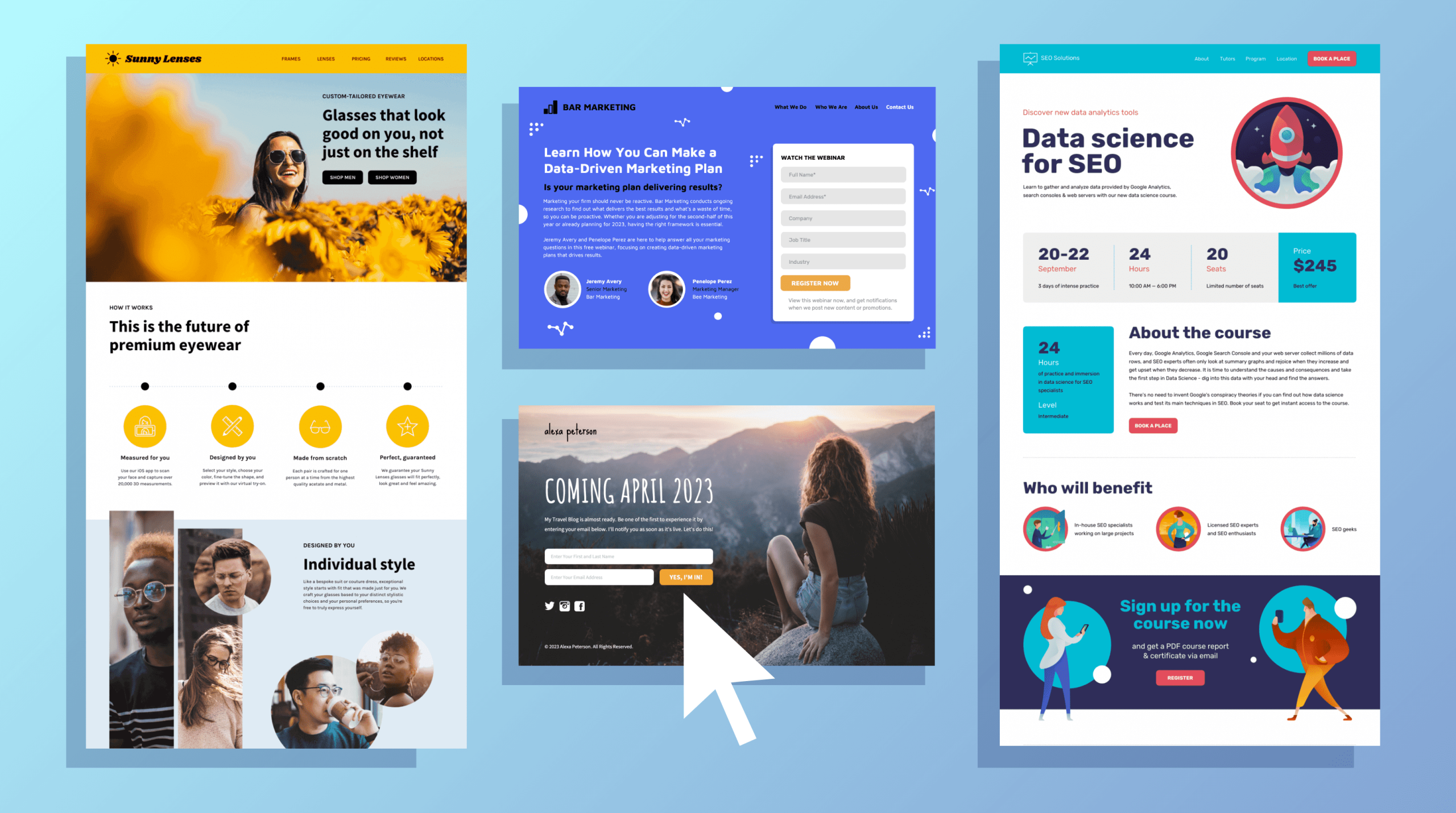
Examining real-world examples is an invaluable way to understand how the theoretical concepts of landing page optimization best practices translate into tangible business results. When you study a successful high-converting landing page, you will notice consistent patterns in layout, messaging, and user experience design that effectively guide visitors toward conversion. These top-tier examples demonstrate how a well-crafted web page can dramatically improve your conversion rate when every single component is aligned with a broader marketing campaign. By analyzing these proven layouts, you can gain actionable inspiration to build landing pages that resonate deeply with your target audience and elevate your overall digital marketing performance.
Case Studies of High-Converting Landing Pages
Detailed case studies provide a microscopic look at how specific brands used a specialized page builder and strategic landing page templates to transform their digital presence. In these examples, marketers focused heavily on refining their landing page copy, streamlining page elements, and ensuring lightning-fast page load times to keep page visitors engaged. By testing different variations of their primary call to action, these companies discovered what works best for their unique audience segments. Reviewing these documented successes highlights the direct correlation between rigorous conversion rate optimization and achieving a superior landing page experience that consistently drives revenue for a specific product or service.
Lessons Learned from Landing Page Best Practices
Analyzing what makes the best landing page truly exceptional reveals vital lessons that every marketer should integrate into their own optimization efforts. A recurring theme among top-performing examples is the strict adherence to fundamental landing page design best practices, such as maintaining a clean visual hierarchy and eliminating unnecessary distractions. These businesses understand that to maximize your landing page’s conversion rate, every page visitor must immediately comprehend the core value proposition without friction. The primary takeaway is that successful optimization requires a balanced approach combining compelling visual aesthetics, persuasive copywriting, and a seamless technical foundation driven by effective search engine optimization.
Applying Insights to Your Own Landing Page
Taking the lessons learned from industry leaders allows you to thoughtfully optimize your landing page and apply proven strategies directly to your own web properties. Start by evaluating your current landing page against established landing page best practices to identify glaring gaps in your design or messaging strategy. Whether you decide to use a landing page template or design a custom layout from scratch, ensure that your page elements actively encourage engagement rather than causing confusion. By continually refining your approach and monitoring your landing page’s performance through advanced analytics, you can steadily transform an ordinary web presence into a high-converting landing page that drives sustainable business growth.
Measuring the Success of Your Landing Page
Measuring the ongoing success of your optimized landing page is a critical component of any comprehensive landing page optimization best practices framework. Without accurate measurement, you are essentially guessing whether your digital marketing initiatives are actually generating a positive return on investment for your product or service. By tracking the right data points, you gain a clear picture of how well your marketing campaign is performing and where potential customers might be dropping off in the funnel. Implementing a structured measurement routine ensures that your conversion optimization efforts remain grounded in empirical reality rather than subjective intuition.
Key Metrics to Track Conversion Rates
To truly understand how to optimize your landing page, you must closely monitor key performance indicators such as bounce rates, click-through rates, and overall landing page conversion percentages. These vital metrics reveal how effectively your landing page copy and visual elements persuade page visitors to take the desired action before leaving the web page. When you consistently analyze these conversion rate optimization metrics alongside your search engine optimization data, you can pinpoint exact areas of weakness in the user journey. Tracking these figures over time ensures that your ongoing optimization efforts continue to maximize your landing page’s conversion rate and support your overarching business objectives.
Tools for Analyzing Landing Page Performance
Leveraging powerful analytical tools like heatmaps, session recording software, and traffic monitoring suites is essential for evaluating your landing page’s performance in real time. These sophisticated platforms allow you to observe how real page visitors interact with your landing page design, highlighting which page elements capture attention and which ones get ignored. By utilizing tools like these, you can gather both quantitative data and qualitative insights to see what works best for your specific audience. This deep visibility empowers you to make highly informed decisions when you create a landing page or update an existing one to enhance the overall landing page experience.
Adjusting Strategies Based on Data
Translating raw analytical data into actionable strategic adjustments is the ultimate goal of implementing rigorous landing page optimization best practices. When your performance reports indicate a dip in landing page conversion, you must be prepared to update your page copy, test new landing page templates, or adjust your traffic sources. This iterative cycle of testing and refinement ensures that your digital marketing strategy remains agile and responsive to changing consumer behaviors. By continuously adapting your approach based on concrete evidence, you can sustain long-term improvements and consistently build landing pages that deliver exceptional, measurable results for your brand.












0 Comments