

Learn Proven Strategies to Write Engaging, SEO-Friendly Blog Posts That Rank Higher and Attract More Organic Traffic
This ultimate guide will walk you through the essential steps to writing SEO-friendly blog posts that not only attract readers but also rank high on search engines. By understanding and implementing effective SEO strategies, you can significantly enhance your content’s visibility and reach.
Understanding SEO and Its Importance
Search Engine Optimization (SEO) is one of the most powerful digital marketing strategies for increasing website visibility, attracting targeted visitors, and growing an online business. Whether you’re a blogger, business owner, or content creator, understanding SEO is essential for achieving long-term online success. By optimizing your content for search engines and users, you can drive consistent organic traffic and build authority in your niche.
What Is SEO?
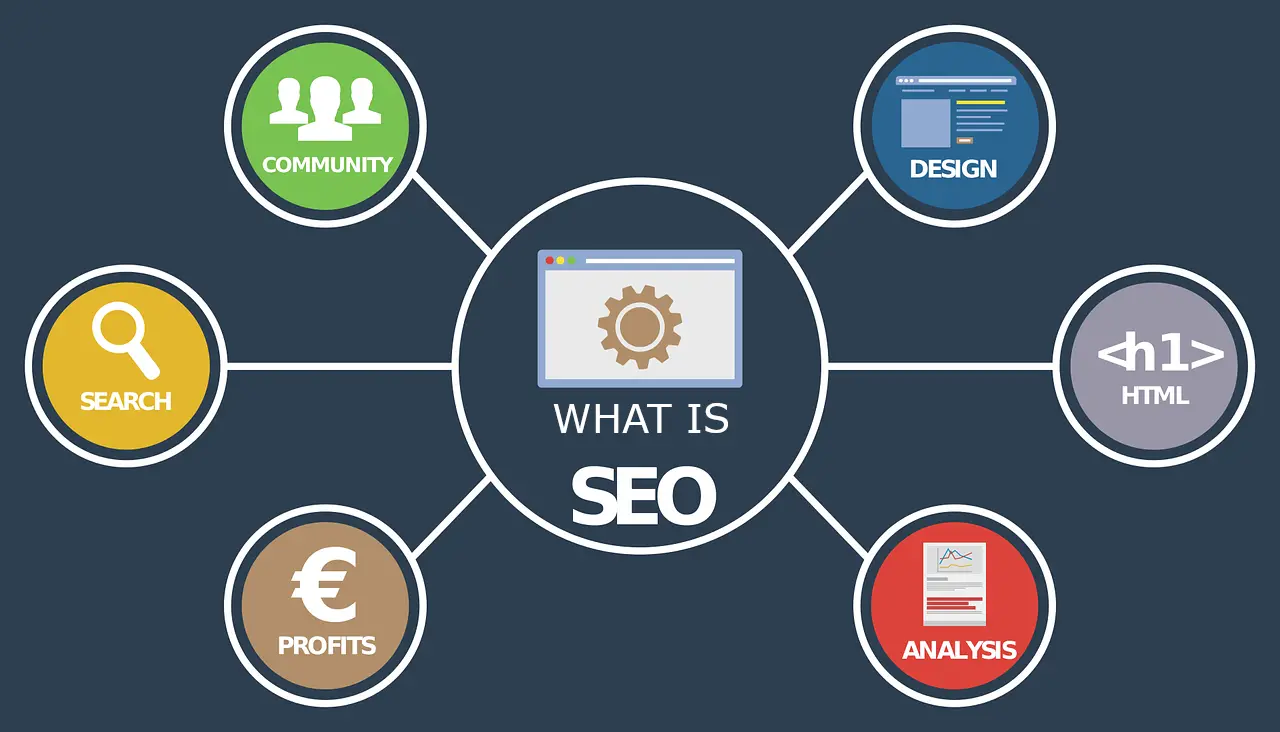
SEO, or Search Engine Optimization, is the process of improving a website’s visibility in search engine results pages (SERPs) to attract more organic traffic. The goal of SEO is to help search engines understand your content while ensuring it provides value to users searching for information, products, or services.
Search engines like Google use complex algorithms to determine which pages should appear for specific search queries. SEO helps improve your chances of ranking higher by optimizing various elements of your website and content.
Key Elements of SEO
Effective SEO typically includes:
- Keyword research and optimization
- High-quality content creation
- On-page SEO optimization
- Technical SEO improvements
- Link building and authority development
- User experience optimization
By implementing these strategies, you can create content that aligns with search intent and meets the needs of your target audience.
Why SEO Matters
SEO helps businesses and bloggers:
- Increase organic website traffic
- Improve brand visibility
- Generate leads and sales
- Build credibility and trust
- Compete effectively in their market
- Achieve long-term online growth
Without SEO, even valuable content may struggle to gain visibility in search results.
The Role of SEO in Blog Posting
SEO plays a critical role in ensuring your blog content reaches the right audience. Publishing a blog post is only the first step; optimizing it for search engines is what helps readers discover it.
Why SEO Is Important for Bloggers
When you learn how to write SEO-friendly blog posts, you increase the likelihood that your content will appear in search results when people are actively looking for information.
SEO helps blog posts by:
- Increasing search engine visibility
- Attracting targeted readers
- Improving engagement and user experience
- Driving consistent organic traffic
- Supporting overall content marketing goals
Writing for SEO Without Sacrificing Quality
Successful writing for SEO is about balancing optimization with user experience. Search engines favor content that is:
- Helpful and informative
- Well-structured
- Relevant to search intent
- Original and trustworthy
A good blog post should be both optimized and easy to read. Readers should be able to quickly find the information they need while search engines can easily understand the topic of the page.
SEO Elements Every Blog Post Should Include
To improve rankings and visibility, every blog post should include:
- A keyword-focused title
- Engaging meta descriptions
- Clear heading structure (H1, H2, H3)
- Relevant internal links
- Optimized images
- High-quality, valuable content
When combined effectively, these elements contribute to stronger SEO performance and improved search visibility.
Benefits of Writing SEO-Friendly Blog Posts

Creating SEO-friendly blog posts offers numerous advantages for businesses, bloggers, and marketers. A well-optimized article can continue generating traffic and leads long after it has been published.
1. Increases Organic Traffic
One of the biggest benefits of SEO-friendly content is its ability to attract visitors from search engines without relying on paid advertising.
When you create content optimized for relevant keywords, your pages have a greater chance of appearing in front of people actively searching for your topic.
2. Improves User Experience
SEO isn’t just about rankings—it also focuses on creating content that is easy to read and useful for visitors.
SEO-friendly blog posts typically feature:
- Clear headings
- Short paragraphs
- Bullet points
- Relevant images
- Logical content structure
These improvements make content more enjoyable and accessible for readers.
3. Builds Authority and Trust
Consistently publishing valuable, optimized content helps establish your website as a trusted source of information.
When users repeatedly find your articles in search results, it strengthens your credibility and positions you as an industry expert.
4. Supports Long-Term SEO Success
Unlike paid advertising, SEO can continue delivering results over time. A high-ranking blog post can attract traffic for months or even years after publication.
This long-term visibility contributes to sustained SEO success and a growing online presence.
5. Generates More Leads and Conversions
SEO-friendly content attracts visitors who are already interested in your topic, making them more likely to:
- Subscribe to your email list
- Download resources
- Purchase products
- Request services
- Engage with your brand
Because the traffic is highly targeted, conversion rates are often higher than many other marketing channels.
6. Strengthens Your Content Marketing Strategy
Every optimized blog post contributes to a larger content ecosystem. Over time, your collection of SEO-friendly articles helps:
- Increase keyword rankings
- Improve topical authority
- Generate backlinks
- Expand website visibility
This creates a strong foundation for ongoing growth and digital marketing success.
Keyword Research for SEO-Friendly Blog Posts

Keyword research is one of the most important aspects of creating content that ranks in search engines. Before you write a blog post, you need to understand what your audience is searching for and how they are searching for it. Effective keyword research helps you create content that aligns with user intent, improves search visibility, and attracts highly targeted visitors.
A well-planned keyword strategy serves as the foundation of every successful SEO blog post. By identifying the right keywords and incorporating them naturally into your content, you can significantly increase your chances of ranking higher in search engine results and driving long-term organic traffic.
Identifying Target Keywords
The first step in creating a successful SEO strategy is identifying the keywords your target audience uses when searching online. Target keywords are the specific words and phrases that connect your content to users looking for answers, solutions, products, or services.
Why Target Keywords Matter
When you identify the right keywords, you can:
Create content that matches search intent
Attract qualified traffic
Increase engagement and conversions
Make your blog more discoverable online
Instead of targeting only broad keywords, focus on a combination of:
Short-Tail Keywords
These are broad search terms with high search volume.
Examples:
SEO
Blogging
Digital marketing
Long-Tail Keywords
These are more specific phrases that often have less competition and higher conversion potential.
Examples:
How to write SEO-friendly blog posts
Best SEO tools for bloggers
SEO tips for small business websites
Long-tail keywords often reveal stronger user intent and can be easier to rank for, especially if you’re building a new website or blog.
Understanding Search Intent
Successful keyword research goes beyond finding popular search terms. You must also understand why users are searching.
Search intent typically falls into four categories:
Informational searches
Navigational searches
Commercial investigation searches
Transactional searches
Understanding intent helps you write SEO content that provides exactly what users are looking for.
Tools for Keyword Research
Keyword research becomes much easier when you use the right tools. These platforms provide valuable insights into search volume, competition levels, keyword difficulty, and related search terms.
Google Keyword Planner
Google Keyword Planner is one of the most widely used free keyword research tools.
Benefits include:
Keyword suggestions
Search volume data
Competition estimates
Related keyword ideas
Because the data comes directly from Google, it provides valuable insights for planning your content strategy.
Google Search Console
Google Search Console helps you discover:
Keywords you’re already ranking for
Click-through rates
Search impressions
Content opportunities
This information can help you optimize existing content and identify new topics for future blog posts.
SEO Plugins and Optimization Tools
Popular SEO tools and plugins include:
Yoast SEO
Rank Math
Ahrefs
SEMrush
Ubersuggest
Moz
These tools help analyze keyword opportunities, monitor rankings, and improve your overall content optimization efforts.
Using multiple keyword research tools often provides a more complete picture of your audience’s search behavior.
Using Keywords Effectively in Your Content
Finding the right keywords is only half the battle. The next step is using them strategically throughout your content while maintaining readability and value for your audience.
The goal is to optimize your content naturally, not overload it with keywords.
Include Keywords in Key Locations
To improve the performance of your SEO blog post, place your primary keyword in important areas such as:
SEO title
URL
Meta description
Introduction
H1 heading
H2 and H3 headings
Image alt text
Conclusion
These placements help search engines understand the topic of your content.
Avoid Keyword Stuffing
One of the most common SEO mistakes is overusing keywords.
Instead of forcing keywords into every sentence:
Write naturally
Focus on user experience
Use related keywords and synonyms
Prioritize helpful content
Modern search engines are sophisticated enough to understand context and topic relevance without excessive keyword repetition.
Use Semantic and Related Keywords
In addition to your primary keyword, include related phrases that support the main topic.
For example, if your keyword is:
SEO-friendly blog posts
You might also include:
SEO content writing
Blog optimization
Search engine rankings
Keyword research
Content marketing
These related terms help strengthen topical relevance and improve your chances of ranking for multiple search queries.
Balance SEO and Readability
The best content serves both readers and search engines.
When creating content:
Write clear, concise paragraphs
Use headings and bullet points
Answer user questions thoroughly
Keep content engaging and informative
A successful SEO blog post should provide genuine value while being optimized for search visibility.
Keyword research is the foundation of every successful SEO strategy. Before you write a blog post, taking the time to identify the right keywords can dramatically improve your chances of ranking in search results.
By understanding search intent, using powerful keyword research tools, and learning how to write SEO content naturally, you can create articles that attract targeted visitors and deliver long-term results.
Whether you’re publishing your first article or looking to make your blog more competitive, mastering keyword research is one of the most valuable skills you can develop for sustainable SEO success.
Creating SEO-Optimized Blog Posts

Creating SEO-optimized blog posts is one of the most effective ways to increase organic traffic, improve search visibility, and build authority in your niche. Successful SEO content writing involves more than simply adding keywords to an article. It requires strategic planning, proper formatting, user-focused content, and adherence to modern SEO best practices.
Whether you’re publishing your first article or improving a current blog, understanding how to structure and optimize content can significantly improve your results. In this section, you’ll learn how to write engaging and SEO-friendly blog posts that rank in search engines while providing value to your readers.
Structuring Your Blog Post
A strong blog structure is the foundation of every successful SEO article. Search engines prefer content that is organized, easy to navigate, and relevant to user intent.
When you start writing, begin with a compelling introduction that clearly explains what the article covers. Include your primary keyword naturally within the first few paragraphs so search engines can quickly identify the topic.
Essential Elements of an SEO-Friendly Blog Structure
To create an effective SEO friendly blog, include:
Introduction
Introduce the topic clearly
Explain what readers will learn
Include your target keyword naturally
Main Headings (H2s)
Break your content into logical sections that answer specific questions or address key points.
Subheadings (H3s)
Use supporting headings to improve readability and make complex topics easier to understand.
Conclusion
Summarize key takeaways and encourage readers to take action.
This step-by-step guide approach helps both users and search engines understand your content while improving engagement.
Why Structure Matters for SEO
A well-organized article helps:
Improve user experience
Increase time on page
Reduce bounce rates
Improve keyword relevance
Make content easier to scan
When you’re writing long-form content, clear formatting helps readers stay engaged and encourages them to explore other pages on your site.
Writing Compelling Blog Post Titles
Your title is one of the most important elements of your article. Even the best content may fail if nobody clicks on it.
When you write blog posts for SEO, your title should:
Include the primary keyword
Clearly communicate the article’s value
Create curiosity
Remain concise and readable
Characteristics of Effective SEO Titles
Good blog post titles:
Solve a problem
Promise a benefit
Match search intent
Encourage clicks
Examples:
10 SEO Writing Tips to Boost Your Rankings
How to Create SEO-Friendly Blog Posts That Rank
A Beginner’s Guide to SEO Content Writing
Strong titles help improve click-through rates and support your overall SEO and content marketing goals.
Researching Blog Post Ideas
Before creating a title, research blog post ideas using:
Tools like Google Keyword Planner
Google Search Console
Ahrefs
SEMrush
Ubersuggest
These tools help identify topics that your audience is actively searching for and can improve the effectiveness of your SEO content strategy.
Crafting an Engaging Meta Description

The meta description is a short summary that appears below your title in search results. Although it is not a direct ranking factor, it plays a significant role in attracting clicks.
A strong meta description can help make blog content more appealing and improve organic traffic.
Best Practices for Meta Descriptions
When you write an SEO meta description:
Include your primary keyword naturally
Keep it between 150-160 characters
Explain the benefit of reading the article
Include a call to action
Example
Learn how to create SEO-friendly blog posts that rank with proven writing techniques, optimization strategies, and practical SEO tips.
Why Meta Descriptions Matter
A compelling meta description can:
Increase click-through rates
Improve visibility in search results
Support your overall SEO efforts
Drive more qualified traffic
Think of the meta description as a mini advertisement for the page on your website.
Optimizing Blog Posts for Better SEO Performance

After publishing, continue creating SEO improvements by reviewing and updating your content regularly.
Use SEO Plugins
Tools such as the Yoast SEO Plugin and other SEO plugins can help you:
Optimize titles and meta descriptions
Check keyword usage
Improve readability
Generate XML sitemaps
Many bloggers use the Yoast SEO Plugin because it provides actionable recommendations that simplify the process of creating an SEO friendly article.
Follow Current SEO Trends
SEO is constantly evolving. Staying informed about SEO trends helps ensure your content remains competitive.
Monitor changes in:
Search intent
User experience signals
AI-powered search features
Mobile optimization
Core Web Vitals
Following modern SEO best practices allows your content to continue performing well over time.
Learning how to write blog posts that rank requires a combination of planning, optimization, and high-quality writing. By focusing on proper blog writing, keyword research, engaging titles, strong meta descriptions, and effective formatting, you can create content that both readers and search engines love.
The greatest benefit from writing optimized content is long-term organic traffic. When you consistently optimize a blog, follow proven writing techniques, and build a strong SEO content strategy, your articles have a much better chance of ranking higher and attracting targeted visitors for months or even years to come.
Whether you’re creating a new article or updating a current blog, investing in SEO content writing is one of the smartest ways to grow your website and achieve sustainable online success.
On-Page SEO Techniques

Utilizing Headings for Better SEO
Utilizing headings effectively is a cornerstone of on-page SEO techniques, significantly contributing to the overall search engine optimization of your blog posts. Headings (H1, H2, H3, etc.) not only break up your content, making it more readable for your audience, but also provide a hierarchical structure that search engines like Google understand. Your main blog post title should be an H1, containing your primary target keyword. Subsequent sections within your new blog post should use H2s, while sub-sections can use H3s. This deliberate use of headings helps search engines crawl and index your SEO-friendly content more efficiently, making it easier for your blog posts to rank well in search results. A good blog always prioritizes clear organization.
Incorporating Internal and External Links
Incorporating both internal and external links is a vital part of a comprehensive SEO strategy for your blog. An internal link connects one page of your website to another, helping to distribute “link equity” throughout your site and improving the overall user experience by guiding readers to related content. This not only keeps visitors on your site longer but also signals to search engines the depth and relevance of your content, boosting your SEO efforts. Conversely, an external link points to a reputable, high-authority website outside your domain. These external links lend credibility to your SEO-friendly blog post by citing sources and can improve your search engine results by showing that your content is well-researched and trustworthy. Both types of links are crucial for any marketer aiming to optimize their blog.
Optimizing Images for SEO
Optimizing images for SEO is a critical, yet often overlooked, aspect of writing SEO-friendly blog posts. High-quality images can enhance the visual appeal of your new blog post, but if not optimized, they can slow down your page load speed, negatively impacting user experience and search engine rankings. To optimize your images, ensure they are properly compressed without sacrificing quality, choose descriptive file names that include relevant keywords, and most importantly, fill out the alt text attribute. The alt text, or alternative text, provides a textual description of the image for visually impaired users and for search engines to understand the image’s context, further improving your SEO-friendly content and overall SEO strategy.
Content Strategy for SEO-Friendly Blogs

Developing a Content Calendar
Developing a content calendar is an indispensable step for any marketer serious about their content strategy and writing SEO-friendly blog posts consistently. A well-structured content calendar allows you to plan your SEO content in advance, ensuring a steady stream of new blog posts that align with your overall SEO efforts and target keywords. It helps you schedule keyword research, topic generation, SEO writing, and publication dates, preventing last-minute rushes and maintaining the quality of your SEO-optimized blog posts. By systematically outlining what you will write and when, you can maintain a consistent blogging schedule, which search engines favor, ultimately improving your visibility in search engine results.
Types of Blog Posts that Rank Well
Understanding the types of blog posts that rank well is crucial for an effective content strategy. While all SEO-friendly content aims for high visibility, certain formats naturally perform better in search engine results. “How-to” guides, comprehensive ultimate guides, listicles, and in-depth tutorials are often favored by search engines because they provide substantial value and detailed answers to user queries, fulfilling specific search intent. These types of blog posts allow for natural keyword integration, offer opportunities for internal linking, and tend to attract more backlinks from other sites, all contributing to better search engine optimization. Focusing on these formats can significantly enhance your SEO efforts and lead to more blog posts that rank.
Measuring the Success of Your SEO Efforts
Measuring the success of your SEO efforts is paramount to understanding what works and what needs adjustment in your content strategy. This involves tracking key metrics such as organic traffic to your SEO-friendly blog posts, keyword rankings in search results, bounce rate, and conversion rates. Tools like Google Analytics and Google Search Console provide invaluable data that can help you assess the performance of your new blog post and overall SEO strategy. By regularly analyzing this data, you can identify which SEO content is resonating with your audience and driving the most engagement, allowing you to refine your approach, optimize your blog, and continue writing SEO-friendly blog posts that achieve your marketing goals.



















0 Comments