
PLR Vs. Resell Rights Vs. Master Resell Rights: The Difference
In the ever-evolving world of digital products, understanding the nuances of different types of licenses is crucial for content creators and online business owners. This article aims to clarify the key differences between Private Label Rights (PLR), Resell Rights, and Master Resell Rights (MRR), helping you make informed decisions about which option best suits your business strategy and content creation needs. Knowing the difference between PLR and MRR, as well as understanding resell rights, is essential for leveraging digital content effectively and ethically.
Understanding PLR and MRR
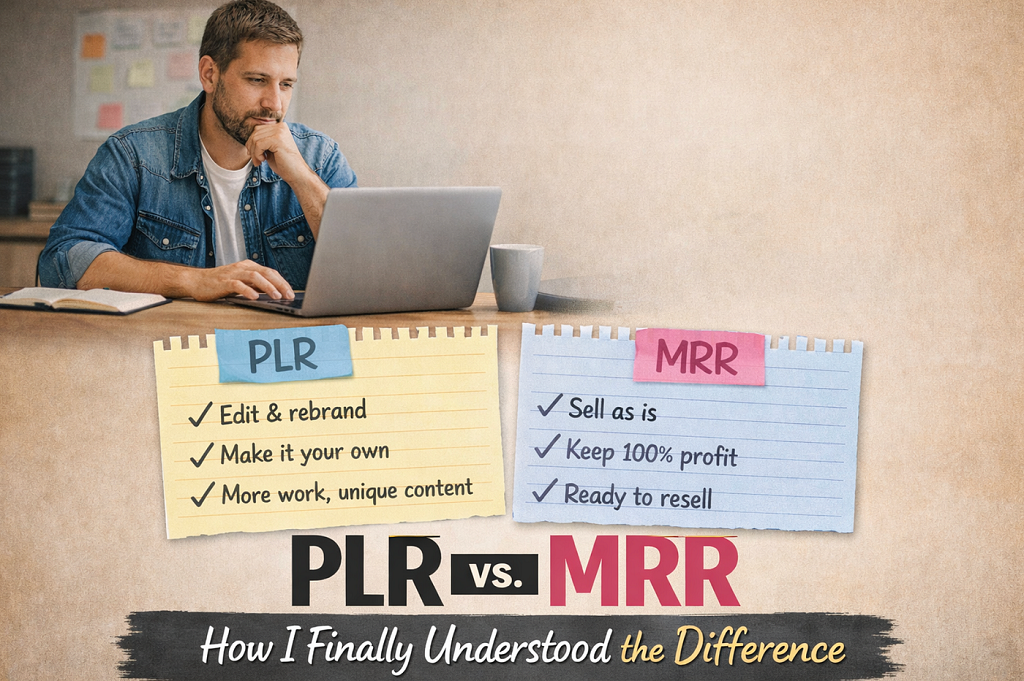
When building an online business with digital products online, understanding the difference between mrr and plr is essential. These are two of the most popular licensing models used for ready-made products, allowing entrepreneurs to sell a product without creating everything starting from scratch.
Both mrr and plr products fall under different types of rights, but each offers unique advantages depending on your goals. Knowing how these licenses work will help you choose the right strategy for scaling your income.
What Are Private Label Rights (PLR)?
Private Label Rights (PLR) are one of the most flexible licensing options available for digital entrepreneurs. With plr and mrr licenses, PLR stands out because it gives you the ability to fully customize and rebrand content.
With PLR, you can:
- Modify the product completely
- Add your name as the author
- Change the title, design, and structure
- Break the content into smaller assets
- Use plr content to create new products
- Turn content into blog posts, videos, or lead magnets
In simple terms, plr content allows you to take existing material and transform it into something unique. This makes it ideal for anyone who wants to build authority, create branded products, and grow a long-term business.
For example, plr content may include:
- eBooks
- Articles
- Courses
- Email sequences
- Templates and printables
You can use these assets to launch products quickly without spending weeks or months creating content yourself. However, the quality of PLR content is important — always choose high-quality material so your final product delivers real value.
Why PLR is powerful:
It allows you to build a brand, create unique offers, and stand out in competitive markets — even if you’re just getting started.
What Are Master Resell Rights (MRR)?
Master Resell Rights (MRR) focus on distribution rather than customization. With an mrr product, you are allowed to sell a product and pass on the same selling rights to your customers.
In other words, master resell rights allow you to:
- Sell the product to others
- Give resale rights to their customers
- Earn from direct sales
- Expand reach through multiple resellers
This creates a powerful chain effect. When someone buys your mrr product, they can also sell it and keep the profits — making it attractive for buyers who want a quick entry into selling digital products online.
However, mrr often comes with restrictions. In most cases:
- You cannot edit or modify the product
- You cannot claim authorship
- You must sell the product as-is
This means the focus is on volume and distribution rather than branding or customization.
Why MRR is powerful:
It allows you to scale quickly by leveraging a network of resellers who promote and distribute your product.
Key Differences Between PLR and MRR

Understanding what’s the difference between PLR and MRR is critical when choosing the right strategy for your online business.
1. Customization vs Distribution
- PLR: You can fully edit, rebrand, and modify the product
- MRR: You sell the product as-is without making changes
2. Branding Opportunities
- PLR: Ideal for building your own brand and authority
- MRR: Focuses on selling volume rather than branding
3. Content Usage
- PLR: You can repurpose plr content to create multiple products
- MRR: You typically sell one fixed mrr product
4. Rights and Flexibility
- PLR: Offers more flexibility within plr and mrr licenses
- MRR: Resell rights allow distribution but limit customization
5. Business Strategy
- PLR: Best for long-term growth and unique product creation
- MRR: Best for quick sales and scalable distribution
PLR vs MRR: Which One Should You Choose?
Choosing between mrr and plr depends on your goals:
- If you want to build a brand, create unique offers, and stand out → PLR is the better choice
- If you want to sell ready-made products quickly and scale through resellers → MRR is ideal
Many successful marketers use a combination of both. For example, they use PLR to create branded products and MRR to expand distribution channels.
Final Thoughts on PLR and MRR
Both PLR and MRR provide powerful opportunities to grow your online business without creating products from scratch. By understanding how resell rights allow you to distribute products and how plr content allows you to customize and build unique assets, you can choose the best model for your strategy.
Whether you’re working with mrr and plr products or combining both approaches, mastering these licensing models can help you scale faster, increase profits, and succeed in the world of digital products online.
Types of Reselling Rights
Understanding the different types of reselling rights is essential if you want to successfully resell digital products and build a profitable online business. These licenses define what you can do with a product, how you can sell it, and what permissions are included when distributing digital products like eBooks, courses, templates, and software.
Each license comes with specific rules and opportunities. Choosing the right one helps you grow your business, reach your target audience, and avoid legal issues in the competitive digital marketplace.
Overview of Resale Rights
Basic resale rights are the most straightforward licensing option. These rights allow you to resell a product exactly as it is, without making any changes.
With a standard license to resell, you can:
- Sell pre-made products directly to customers
- Keep 100% of the profit from each sale
- Launch quickly without creating content
- Focus entirely on marketing and traffic
These rights are ideal for beginners who want a simple way to enter the world of digital products.
Limitations of Resale Rights
While resale rights allow you to resell, they come with restrictions. Typically, you are not allowed to:
- Edit or customize the product
- Rebrand or claim ownership
- Pass on the resell rights to others
This means your role is purely as a reseller. You act as a distributor rather than a creator.
Why Choose Resale Rights?
Resale rights are perfect if you want to:
- Start quickly without technical skills
- Sell digital products like guides, templates, or eBooks
- Test a niche before investing more time or money
They provide a low-barrier entry into selling digital products online while still offering profit potential.
Master Resell Rights (MRR) Explained
Master Resell Rights (MRR) take resale rights to the next level. With MRR, you not only gain the ability to sell the product, but you can also pass on the resell rights to your customers.
In simple terms, MRR allows you to:
- Sell the product to buyers
- Give resell rights to your customers
- Let your buyers resell it as well
- Build a network of resellers
This creates a scalable business model where your product spreads through multiple sellers, increasing your reach in the marketplace.
How MRR Works
When you sell an MRR product:
- A customer buys the product from you
- They receive the product plus resale rights
- They can then sell it to their own audience
This structure makes MRR highly attractive for entrepreneurs who want to scale quickly.
Key Features of MRR
- You are allowed to resell the product
- You can pass on the resell rights to others
- You can grow through multiple distribution channels
- You can generate passive income through resellers
Many digital products like courses, bundles, and toolkits come with MRR, making them popular in the digital space.
Limitations of MRR
Although MRR allows strong scalability, it also has limitations:
- You cannot modify or edit the product
- You cannot rebrand it
- The product remains tied to the original creator
This is where MRR differs from PLR licenses, which offer full customization.
In most cases, MRR might not be suitable if your goal is to build a unique brand or create original content. Instead, it focuses on distribution and volume.
Resale Rights vs MRR: Key Differences
Understanding the difference between resale rights and MRR helps you choose the best option:
- Resale Rights:
- Allow you to sell the product only
- Do not allow you to transfer rights
- Best for simple, direct selling
- MRR:
- Allow you to resell and share resale rights
- Enable your customers to resell the product
- Best for scaling and building reseller networks
Which Option Should You Choose?
The right choice depends on your goals:
- Choose Resale Rights if you want simplicity and quick entry
- Choose MRR if you want scalability and passive income potential
If your goal is to build a brand and customize content, then options like PLR licenses may be a better fit.
Final Thoughts on Reselling Rights
Reselling rights offer powerful opportunities to generate income online without creating products from scratch. Whether you choose basic resale rights or MRR, both models allow you to resell digital products and tap into a growing online market.
By understanding how each license works and aligning it with your business strategy, you can effectively reach your target audience, maximize your earnings, and build a scalable digital product business.
Private Label Rights (PLR) Overview
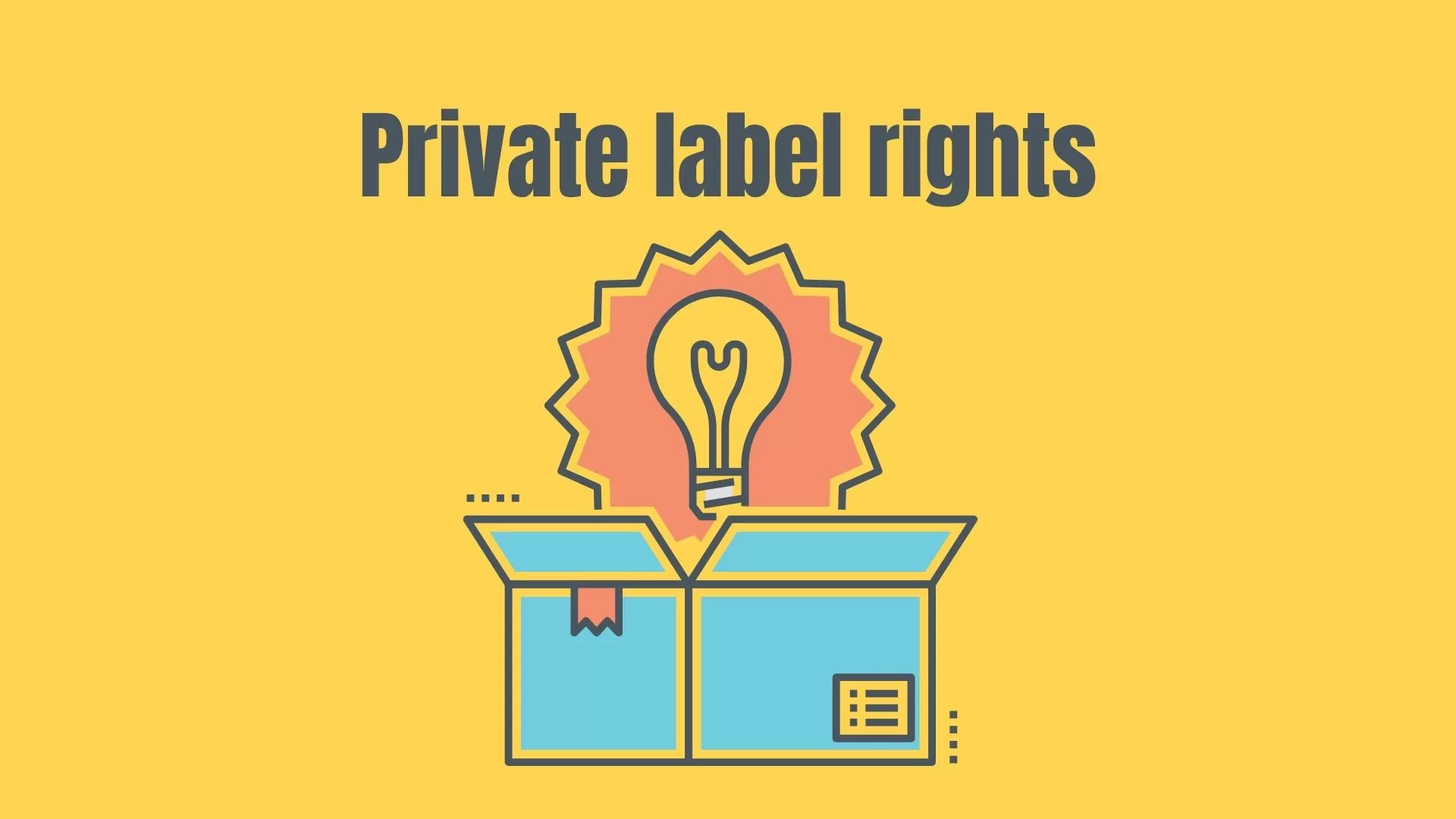
Private Label Rights (PLR) offer the highest level of flexibility among all reselling licenses. These licenses give you full control over the product, allowing you to customize and rebrand it as your own.
With PLR, you can:
- Edit and modify the product completely
- Add your name as the author
- Repackage and bundle products for your business
- Use content across multiple platforms
- Turn one product into several new offers
PLR is ideal for creating unique branded assets from pre-made products. Many products often include editable files, making it easy to adapt them to your audience.
Key aspects of PLR include:
- Full customization rights
- Branding and personalization
- Content repurposing
- Long-term asset creation
Unlike basic resale rights or MRR, PLR gives you ownership flexibility. However, the quality of PLR content can vary, so choosing high-quality products is essential.
Why choose PLR?
It allows you to build a brand, create unique offers, and stand out in a competitive digital marketplace.
Choosing the Right Reselling Rights for Your Business
When selecting between these licenses, it’s important to understand the rights to avoid and the opportunities each model provides.
Here’s a quick breakdown:
- Resale Rights: Best for beginners who want simplicity
- MRR: Best for scaling through distribution
- PLR: Best for branding and customization
Each type of digital license serves a different purpose. Some products may be better suited for quick resale, while others are ideal for building long-term assets.
Final Thoughts on Reselling Rights
Understanding the different rights associated with digital products is key to making smart business decisions. Whether you choose to work with resale rights, MRR, or PLR, each model offers unique ways to resell digital products and generate income.
By selecting the right license, using high-quality pre-made products, and aligning your strategy with your goals, you can build a scalable business and succeed in the ever-growing digital marketplace.
Using PLR and MRR in Business

Leveraging PLR (Private Label Rights) and MRR (Master Resell Rights) is one of the fastest ways to build a profitable online business with digital products online. Whether you want to create your own branded products or scale through distribution, understanding how to use these models effectively can help you generate income without starting from scratch.
Both PLR and MRR give you the right to resell, but they differ in how you use and scale the products. Knowing how to apply each strategy correctly can significantly improve your results and help you grow a sustainable digital business.
How to Use PLR Content Effectively
Using PLR content effectively starts with selecting high-quality material that aligns with your niche and audience. Not all PLR is created equal, so always evaluate the quality before using it in your business.
One of the biggest advantages of PLR is that it allows you to modify and fully customize the content. This flexibility makes it ideal for building a brand and creating unique products.
Steps to Use PLR Content Successfully
1. Choose High-Quality PLR Content
Look for well-written, relevant content that fits your audience’s needs. High-quality PLR will require less editing and deliver better results.
2. Customize and Rebrand the Content
PLR allows you to modify the content to match your brand voice and style. You can:
- Rewrite sections to make them unique
- Add your own insights and expertise
- Update outdated information
- Improve formatting and structure
3. Repurpose Content Across Multiple Channels
PLR content can be transformed into:
- Blog posts
- Email newsletters
- Social media content
- Lead magnets
- eBooks and guides
4. Turn PLR Into Products
You can package PLR into:
- Online courses
- Membership content
- Digital downloads
- Toolkits and bundles
5. Add Unique Value
To stand out, enhance the content with:
- Case studies
- Real-life examples
- Actionable tips
- Visual elements
Why PLR Works:
It reduces content creation time while still allowing you to produce high-quality, branded assets. Unlike models like MRR, PLR focuses on customization and authority building.
Strategies for Selling Digital Products with MRR
Selling digital products with MRR requires a different approach. Instead of focusing on customization, your goal is to maximize distribution and scale through resellers.
With MRR, you have the right to resell the product and pass that same right to your customers. This creates a powerful network effect where others promote and sell the product on your behalf.
Key Strategies for MRR Success
1. Highlight the Income Opportunity
When marketing MRR products, emphasize that buyers also gain the right to resell. This makes the product more attractive because it offers earning potential.
2. Create a Strong Sales Funnel
Use landing pages, email marketing, and upsells to increase conversions. Clearly explain the benefits of owning an MRR product.
3. Offer Tiered Pricing Options
Encourage customers to upgrade by offering:
- Basic product access
- MRR license upgrade
- Bundle deals with added value
4. Build a Reseller Network
Support your buyers by providing:
- Marketing materials
- Email swipes
- Sales page templates
- Promotional strategies
This helps them succeed, which in turn helps you scale.
5. Focus on Quality Products
Always sell high-quality products that deliver real value. Poor-quality products can damage your reputation and reduce long-term sales.
Why MRR Works:
It allows you to scale quickly by leveraging others to promote your product. Unlike PLR, which allows you to modify, MRR focuses on distribution and volume.
Customization Options for PLR Products
Customization is where PLR truly stands out. Because PLR allows you to modify content freely, you can transform generic material into unique, high-value products that reflect your brand.
Ways to Customize PLR Products
1. Rewrite and Personalize Content
Adjust the tone, style, and messaging to match your brand voice. This makes the content feel original and authentic.
2. Add Your Own Expertise
Enhance the content with:
- Personal insights
- Industry knowledge
- Practical examples
- Updated information
3. Improve Design and Branding
Reformat the content using:
- Custom fonts and colors
- Branded graphics
- Professional layouts
4. Break Content Into Multiple Assets
Turn one PLR product into:
- Blog post series
- Social media content
- Email sequences
- Mini-courses
5. Combine and Bundle Products
Merge multiple PLR products into a larger offer to increase value and pricing potential.
PLR vs MRR in Business Strategy
Understanding how PLR compares to models like MRR is critical for building a successful online business.
- PLR: Best for branding, customization, and long-term growth
- MRR: Best for scaling sales and building reseller networks
Both models have their place. Many successful entrepreneurs combine them — using PLR to create unique products and MRR to expand distribution.
Final Thoughts on Using PLR and MRR
Using PLR and MRR strategically can help you build and scale a profitable digital product business. Whether you focus on customization or distribution, both models give you the right to resell and generate income online.
By choosing high-quality products, adding value, and applying the right strategy, you can turn simple digital assets into powerful income streams and grow a sustainable online business.
Choosing the Right License for Your Needs
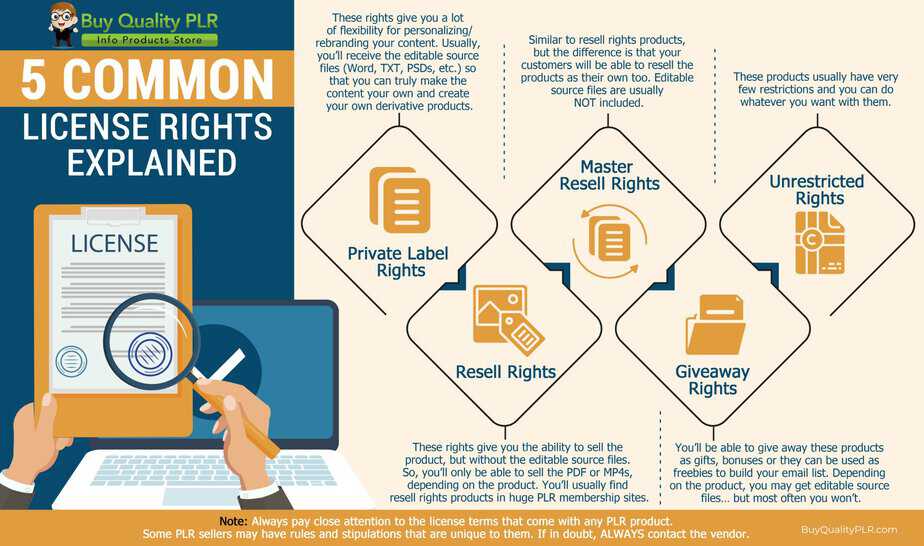
Selecting the right license is a critical step when building a business with digital products online. Whether you choose PLR, MRR, or basic resale rights, each option comes with different levels of control, flexibility, and earning potential. Understanding how these licenses work — and what sets them apart — will help you align your choice with your business goals.
PLR vs. MRR: Which Is Better?
When comparing PLR and MRR, the answer depends entirely on your strategy. Both options allow you to sell digital products, but they serve very different purposes.
When PLR Is the Better Choice
If your goal is to build a brand and create unique products, then PLR is the ideal option. When you acquire PLR, you gain full control over the content.
PLR gives you the flexibility to:
- Edit and customize content
- Rebrand products under your name
- Add your own expertise and insights
- Create new products from existing material
This makes PLR perfect for entrepreneurs who want to stand out and establish authority in their niche. Unlike other licenses, PLR allows you to transform generic content into something completely original.
When MRR Is the Better Choice
If your focus is on fast sales and scalability, then master resale rights may be more suitable. With MRR, you can sell a product and pass on the resale rights to your customers.
This means:
- You can sell the product as-is
- Your customers can also resell it
- The product remains unchanged by the original creator
MRR is ideal for building a distribution network and generating passive income without spending time on content creation.
Key Takeaway
- Choose PLR if you want customization and branding
- Choose MRR if you want simplicity and scalability
Understanding the difference between these models will help you make smarter business decisions.
Benefits of Each Type of License
Each license type offers unique advantages depending on your goals. Choosing the right one can significantly impact how you grow your online business.
Benefits of PLR (Private Label Rights)
PLR is one of the most powerful options for long-term growth.
Key benefits include:
- Full customization and rebranding
- Ability to create unique products
- Opportunity to position yourself as an expert
- Flexibility to repurpose content into multiple formats
- Control over pricing and branding
Because PLR gives you complete control, it’s ideal for building a sustainable business and creating high-value offers.
Benefits of MRR (Master Resale Rights)
Master resale rights focus on scalability and distribution.
Key benefits include:
- Ability to sell ready-made products quickly
- Opportunity to build a reseller network
- Passive income potential through multiple sellers
- No need to edit or create content
- Faster time to market
Since the product is created by the original creator, your main focus is marketing and sales.
Benefits of Basic Resell Rights
Basic resale rights offer a simple entry point for beginners.
Key benefits include:
- Easy to start with minimal setup
- No content creation required
- Affordable compared to other licenses
- Quick way to test the market
However, unlike advanced options like PLR, basic resale rights do not allow customization or branding.
Deciding Factors for Reselling Rights
Choosing the right license depends on several important factors. Evaluating these will help you select the best option for your business model.
1. Your Business Goals
- Want to build a brand? → Choose PLR
- Want quick sales and scalability? → Choose MRR
- Want simplicity? → Choose resale rights
2. Budget and Investment Level
Different licenses come at different price points:
- PLR products may cost more due to flexibility
- MRR products are often mid-range
- Basic resale rights are usually more affordable
Consider how much you are willing to invest upfront.
3. Content Creation Skills
Your ability to work with content plays a major role:
- If you enjoy editing and creating → PLR is ideal
- If you prefer a hands-off approach → MRR or resale rights work better
4. Marketing Strategy
Your promotional strategy should align with your license:
- PLR works well with branding, content marketing, and SEO
- MRR works well with funnels, affiliates, and volume sales
- Resale rights rely heavily on direct marketing and traffic
5. Long-Term vs Short-Term Strategy
- PLR is best for long-term growth and authority
- MRR is best for quick scaling and passive income
- Resale rights are best for simple, short-term income
Final Thoughts on Choosing the Right License
Choosing between PLR, MRR, and resale rights is not about which one is “better” — it’s about which one fits your goals.
If you want control, branding, and long-term growth, acquire PLR and build your own products. If you want to scale quickly and leverage distribution, master resale rights offer a powerful solution.
By understanding how each license works — and how it aligns with your strategy — you can confidently choose the right path and build a successful digital product business.












0 Comments