Master On-Page SEO With Proven Techniques, Smart Optimization Strategies, and Practical Tips to Improve Your Search Rankings
Welcome to the complete guide to on-page SEO! In this article, we’ll dive deep into the world of on-page SEO, exploring various SEO techniques and SEO strategies that can significantly improve your website’s search engine rankings. Whether you’re a beginner looking to grasp the SEO basics or an experienced marketer aiming to refine your on-page SEO strategy, this comprehensive guide will equip you with the knowledge and tools necessary to help search engines and users alike find and appreciate your content. Let’s embark on this journey to on-page optimization and unlock the potential of your online presence.
Understanding On-Page SEO
What is On-Page SEO?
On-page SEO, also known as on-site SEO, refers to the practice of optimizing individual pages on your site to rank higher in search engine results pages (SERPs) and appear in search results for relevant keyword searches. It’s about ensuring that both users and search engines understand the content and context of a page. Unlike off-page SEO, which involves activities conducted outside of your website, on-page SEO focuses on factors that you can directly control. Effective on-page SEO techniques involve optimizing page content, HTML source code, and overall site structure to improve user experience and enhance search engine crawlers’ ability to index and rank your pages. By mastering on-page SEO basics, you can significantly boost your SEO efforts and achieve better search engine rankings.
Importance of On-Page SEO
The importance of on-page SEO cannot be overstated, as it directly influences how well your website performs in search engine rankings. By focusing on on-page optimization, you enhance your chances of ranking for your target keyword and attract organic traffic. Effective on-page SEO strategies help search engines like Google understand the relevance and value of your page content, ensuring it appears in search engine results for relevant search queries. Furthermore, on-page SEO plays a crucial role in improving user experience. When your website offers fast page load speed, clear navigation, and valuable content, users are more likely to engage with your site and spend more time on each page, ultimately signaling to search engines that your website offers a better user experience and valuable content.
Key Elements of On-Page SEO
Several key elements contribute to effective on-page SEO. Keyword research forms the foundation, as identifying the right relevant keywords allows you to create content that aligns with user search intent. Optimizing title tags, meta descriptions, and header tags with your target keywords is crucial for helping search engines understand the context of your content. High-quality page content that provides value to users is paramount, as is ensuring a better user experience through factors like page speed and mobile-friendliness. Implementing structured data markup helps search engines better understand the information on your page, potentially leading to rich snippets in search results. Image optimization, including alt text and proper file sizing, also contributes to improved SEO and helps search in image search. Addressing these on-page SEO factors will significantly improve your website’s visibility and search engine rankings.
SEO Basics and Techniques
Fundamental SEO Techniques
Fundamental SEO techniques form the foundation of any successful website optimization strategy. On-page SEO involves optimizing the specific page on your website so that both users and search engines can easily understand the content and its purpose. Because on-page SEO is important for ranking, these improvements help search engines determine how relevant your page is for a particular query.
One of the most important on-page SEO practices is keyword research. Identifying the right keywords and understanding the type of content users are searching for helps you create content that matches search intent. When search engines can clearly see that your page answers a user’s question, it improves your visibility in search results and increases the chances of ranking directly in search results for relevant queries.
A key part of on-page SEO is optimizing core on-page elements, including:
Page titles and title tags
Meta descriptions
Header tags (H1, H2, H3)
Keyword placement in content
URL structure
Internal linking
These common on-page SEO improvements help search engines to understand what your page is about and signal that your content is relevant. For example, placing keywords naturally in headings and body text helps create content for search engines while still keeping it readable for visitors.
Using a page SEO checker or other SEO tools can help identify missing optimization opportunities. These tools highlight issues such as missing meta tags, weak keyword usage, or slow page speed. Since SEO is not a one-and-done process, regularly reviewing and improving these SEO tasks ensures your pages stay competitive in search rankings.
Understanding the difference between on-page and off-page SEO is also important. While on-page and off-page strategies both influence rankings, on-page SEO includes all optimizations performed directly on your website, while off-page SEO involves external signals such as backlinks and brand mentions.
Effective On-Page SEO Strategies
To improve your website’s performance in search engines, implementing strong SEO tactics focused on user experience is essential. Effective content SEO begins with producing valuable, relevant, and engaging content for search engines and readers alike. High-quality content signals to search engines that your page is useful, which can improve search rankings.
One of the most impactful on-page factors is the quality and structure of your content. Every page should have a clear purpose and address a specific topic. Google may prioritize content that provides clear answers and helpful information, so structuring your content with headings, lists, and concise paragraphs helps both users and search engines navigate it easily.
Image optimization also plays a critical role in on-page SEO. Images should include descriptive alt text, which helps search engines interpret visual content. Compressing images improves page speed, which is another critical ranking factor that affects user experience.
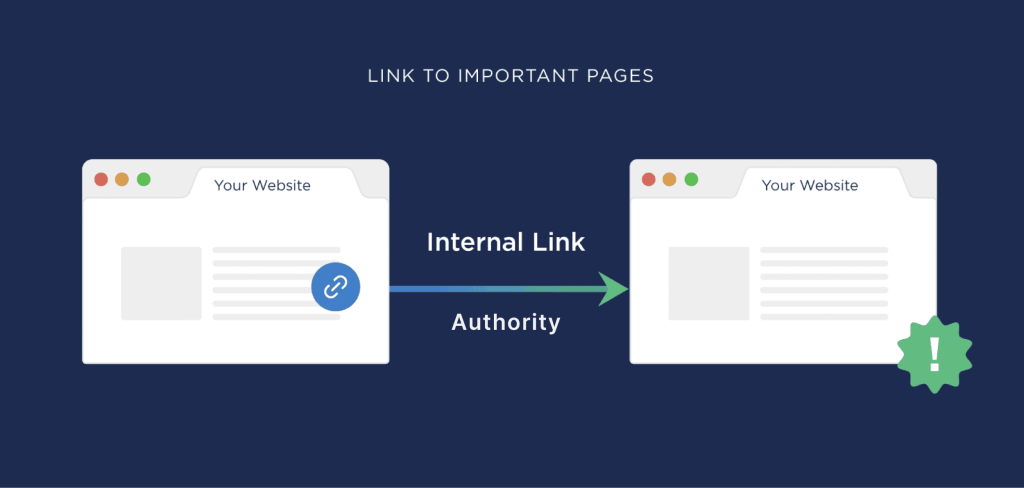
Internal linking is another important on-page SEO strategy. By linking related pages together, you help search engines that your site has a clear structure. Internal links distribute link equity throughout your site and guide visitors to other relevant resources, improving engagement and time on site.
Many marketers use a free on-page SEO checklist to ensure that each page meets optimization standards. Typical checklist items include:
Optimized title tag and meta description
Proper keyword placement
Internal links to related pages
Optimized images
Fast page loading speed
Clear heading structure
Following these best practices helps strengthen your content SEO strategy and improves your visibility in search results over time.
Advanced On-Page SEO Techniques
Once the basics are covered, advanced optimization methods can further enhance your website’s SEO performance. These advanced SEO tactics often involve technical improvements that help search engines interpret your content more accurately.
One of the most powerful advanced strategies is implementing structured data through schema markup. This is a part of on-page SEO that helps provide additional context about your content. Structured data allows your pages to appear with rich snippets, which can display information like ratings, FAQs, and product details directly in search results. These enhancements often increase click-through rates and improve overall visibility in search results.
Another essential step is performing a detailed SEO audit. This process identifies technical issues that may affect indexing and ranking. Technical SEO refers to the backend improvements that ensure search engines can crawl and index your website efficiently. Common problems discovered during audits include:
Broken links
Duplicate content
Crawl errors
Slow page load times
Missing metadata
Fixing these issues ensures that search engines to understand your website structure and content correctly.
Mobile optimization is also critical. Since Google may prioritize mobile-friendly websites through mobile-first indexing, your pages must load quickly and display properly on all screen sizes. A responsive design ensures users receive a consistent experience regardless of the device they use.
Finally, advanced optimization often combines both on-page and off-page strategies. While on-page SEO involves optimizing elements within your site, off-page SEO involves signals from outside your site such as backlinks, mentions, and authority signals. Together, these strategies help strengthen your site’s reputation and improve search rankings.
By continuously refining your on-page elements, using reliable SEO tools, and keeping your SEO tasks updated, you can build a strong optimization strategy that keeps your website competitive in search engines.
Keyword Research and Implementation
Conducting Keyword Research
Conducting thorough keyword research is a fundamental step in building a successful SEO strategy. Since on-page SEO important practices depend heavily on the right keywords, identifying the exact terms your audience searches for helps you create content that ranks and attracts the right visitors. Keyword research focuses on discovering the words and phrases people type into search engines when looking for information, products, or services related to your niche.
Understanding search intent is one of the most important aspects of keyword research. Search intent reveals why someone is searching — whether they want to learn something, compare options, or make a purchase. When your content aligns with the user’s intent, search engines are more likely to rank it higher in search results.
Effective keyword research also helps search engine crawlers understand what your pages are about. Crawlers scan your content to determine relevance, and clear keyword signals help them categorize and index your page correctly. When your pages are properly optimized with relevant keywords, it increases your chances of appearing in search engine results pages (SERPs).
Several tools can help with keyword discovery and analysis. Popular options include:
Selecting the right target keywords is essential for optimizing your content and improving your search engine rankings. Because on-page SEO important techniques rely on keyword relevance, choosing the right phrases ensures your content reaches the audience that is most likely to engage with it.
When evaluating potential keywords, consider the following factors:
Search Volume Search volume shows how many times a keyword is searched each month. Higher search volume can mean more traffic potential, but it often comes with greater competition.
Competition Level Highly competitive keywords can be difficult for newer websites to rank for. Targeting lower-competition keywords can provide faster ranking opportunities.
Relevance to Your Content Your keyword should directly relate to the topic of your page. If a keyword does not match your content, search engines and users may find your page less useful.
User Intent Understanding what the user wants when they search a keyword helps you create content that answers their question or solves their problem.
Using a mix of broad keywords and long-tail keywords is an effective strategy. Broad keywords typically attract more traffic, while long-tail keywords are more specific and often have higher conversion potential.
For example:
Broad keyword:
“SEO tools”
Long-tail keyword:
“best SEO tools for beginner bloggers”
By targeting a combination of these keyword types, you can capture a wider range of search queries and attract visitors at different stages of the buying journey.
When you select the right keywords and align them with helpful content, you increase your chances of ranking higher in search results and driving more organic traffic to your site.
Integrating Keywords into Content
Integrating keywords into your content is a critical part of on-page optimization. Once you have identified your target keywords, they should be placed strategically throughout your page to help search engines interpret your content.
Because on-page SEO important strategies depend on clear signals, search engines rely on keywords to understand the topic of a page. Proper keyword placement helps search engine crawlers determine how relevant your content is for specific search queries.
Key areas where keywords should be included include:
Page Title (Title Tag) Your title tag is one of the strongest ranking signals. Including your primary keyword here helps search engines understand the main focus of your page.
Headings (H1, H2, H3) Using keywords in headings helps organize your content and improves readability for both users and search engines.
Meta Description While meta descriptions do not directly impact rankings, including keywords can increase click-through rates when users see your page in search results.
Body Content Naturally include keywords throughout the article where they fit contextually. The goal is to make the content informative and useful rather than forcing keywords unnaturally.
URL Structure Short, descriptive URLs containing your target keyword help search engines and users quickly understand the page topic.
However, it is important to avoid keyword stuffing, which occurs when keywords are overused unnaturally. Search engines may penalize pages that try to manipulate rankings this way. Instead, focus on writing natural, valuable content that uses keywords organically.
Using related terms, synonyms, and semantic keywords can also help broaden your content’s reach. This allows your page to rank for multiple related search queries while keeping the content readable and engaging.
When keywords are integrated thoughtfully, your content becomes easier for both users and search engine crawlers to understand, improving your chances of ranking for relevant search terms and gaining more visibility in search results.
On-Page SEO Checklist
Essential On-Page SEO Elements
Essential on-page SEO elements are the building blocks for achieving high search engine rankings and a positive user experience. These on-page SEO factors include optimizing title tags with your target keyword to accurately reflect the page content and entice clicks from search engine results pages. Crafting compelling meta descriptions that summarize the page’s value proposition is vital. Using header tags (H1-H6) to structure your page content and incorporate relevant keywords helps search engines understand the hierarchy and context of your information. Additionally, optimizing image alt text ensures that search engines can properly index and rank your images, contributing to overall SEO performance and potentially boosting image search visibility.
Optimizing for User Experience
Optimizing for user experience is integral to effective on-page SEO, as search engines prioritize websites that provide a seamless and engaging experience for their users. A key aspect is ensuring fast page load speed, as slow-loading pages can lead to high bounce rates and lower rankings. Optimizing images, leveraging browser caching, and minimizing HTTP requests can significantly improve page speed. Clear and intuitive navigation helps users and search engines easily explore your website, enhancing user engagement. Mobile-friendliness is also crucial, as a responsive design ensures that your website looks and functions well on all devices, providing a better user experience and improving your search engine rankings.
Using Search Intent to Enhance SEO
Understanding and catering to search intent is paramount for enhancing your on-page SEO efforts. Search intent refers to the underlying goal a user has when entering a search query into a search engine. By aligning your page content with your niche and search intent, you increase the likelihood of satisfying the user’s needs and improving your search engine rankings. Identify whether users are seeking informational, navigational, transactional, or commercial page content, and tailor your website accordingly. Conduct keyword research to uncover the relevant keywords and phrases that align with specific search intentions. By prioritizing search intent, you can create valuable and relevant page content that resonates with your audience and helps search engines recognize your site’s authority and relevance.
Measuring On-Page SEO Success
Understanding Ranking Factors
Understanding ranking factors is crucial for measuring the success of your on-page SEO efforts. These ranking factors are various signals that search engines use to determine the relevance and authority of a website, ultimately influencing its position in search engine results. Key on-page SEO factors include the presence of relevant keywords in title tags, meta descriptions, and header tags, as well as the quality and depth of your page content. User experience metrics, such as bounce rate, time on page, and page load speed, also play a significant role in ranking. By tracking and analyzing these SEO ranking factors, you can gain insights into the effectiveness of your on-page optimization strategies and make data-driven adjustments to improve your search engine rankings.
Using Google Search Console
Using Google Search Console is essential for monitoring and improving your on-page SEO performance. This free tool provides valuable data and insights into how Google indexes and ranks your website. With Search Console, you can track your search engine rankings for your target keywords, identify crawl errors, and submit sitemaps to help search engines efficiently index your page content. You can also monitor your website’s mobile usability, page speed, and security issues. By regularly analyzing the data in Google Search Console, you can identify areas for improvement, optimize your on-page SEO strategies, and enhance your website’s visibility in search engine results. Furthermore, by addressing the SEO issues reported in Search Console, one can significantly help Google understand and index the page on your site correctly.
Analyzing Page Load Speed
Analyzing page load speed is a critical component of measuring on-page SEO success. Page speed is a significant ranking factor, as search engines prioritize websites that provide a fast and seamless user experience. Slow page load speed can lead to high bounce rates, lower search engine rankings, and decreased user engagement. Use tools like Google’s PageSpeed Insights to analyze your page speed and identify areas for improvement. Optimize images, leverage browser caching, minimize HTTP requests, and consider using a content delivery network (CDN) to enhance page speed. By continuously monitoring and improving your page load speed, you can provide a better user experience, improve your search engine rankings, and ultimately drive more organic traffic to your website, which will help search engines in overall SEO efforts.
Affiliate Marketing vs. Selling Your Own Products: Which Path Builds Faster Cash Flow and Bigger Long-Term Profits?
Deciding between affiliate marketing and selling your own products is a pivotal choice for any aspiring entrepreneur. Both avenues offer unique opportunities and challenges, and the “best” option often depends on your individual goals, resources, and risk tolerance. This article explores the nuances of affiliate marketing vs selling, examining the benefits and drawbacks of each approach to help you make an informed decision.
Understanding Affiliate Marketing
What is Affiliate Marketing?
Affiliate marketing is a performance-based marketing strategy where an affiliate marketer earns a commission for promoting other people’s products or services. Essentially, the affiliate acts as a third-party marketer, leveraging their platform, such as an affiliate website, to promote a product. When a customer purchases the product through their unique affiliate links, the affiliate receives a predetermined percentage of the sale. This method allows businesses to expand their reach and affiliates to generate income without the burden of creating and selling their own product.
How Affiliate Marketing Works
The process begins with a business, or merchant, that has a product to sell. They then create an affiliate program, offering a commission to affiliates to promote their offerings. The affiliate marketer joins the affiliate program and receives unique affiliate links to use when promoting the product. When a customer clicks on these affiliate links and makes a purchase, the transaction is tracked, and the affiliate receives their agreed-upon commission. This system benefits both parties, allowing businesses to reach a wider audience and affiliates to monetize their marketing efforts effectively.
Benefits of Using Affiliates to Promote Your Product
Affiliate marketing is one of the most powerful growth strategies for digital product creators. Whether you’re selling PLR products, online courses, eBooks, templates, or software tools, partnering with affiliates allows you to scale your reach without increasing your workload. Instead of relying only on paid ads or organic traffic, affiliates become your marketing partners — helping you attract new customers while you focus on creating and improving your products.
1. Expands Your Reach Without Extra Costs
One of the biggest advantages of affiliate marketing is the ability to reach new audiences fast. Affiliates already have established followings — bloggers, influencers, YouTubers, and email list owners who trust their recommendations. Why it matters: You get exposure to thousands of potential buyers without investing in ads or content creation.
2. Performance-Based Marketing (You Only Pay for Results)
Unlike paid advertising, you don’t spend money upfront. Affiliates only earn a commission when they successfully generate a sale. Why it matters: This reduces financial risk and improves profitability, especially for new creators.
3. Builds Credibility Through Third-Party Recommendations
People trust product recommendations from creators they follow. When affiliates recommend your product, it acts as social proof. Why it matters: Credibility leads to higher conversions — affiliates help your product sell faster because buyers trust them.
4. Accelerates Product Launches
A strong affiliate army can turn an average launch into a highly profitable one. Affiliates can promote your product across:
Email lists
Blogs
YouTube channels
Social media
Podcasts
Webinars Why it matters: You get a surge of visibility and sales during launch week — often 10x more than promoting alone.
5. Generates Evergreen Sales
Affiliate marketing isn’t just for launches. Many affiliates add your product to:
Resource pages
Automated email sequences
YouTube descriptions
Blog posts
Recommended tools lists Why it matters: Your sales continue consistently even when you’re not actively promoting.
6. Helps You Build a Stronger Network
Working with affiliates builds long-term relationships with industry experts, influencers, and digital marketers. Why it matters: These connections often lead to:
Collaborations
Cross-promotions
Guest blogging opportunities
Joint ventures
Bundle deals Partnerships grow your brand faster than working alone.
7. Enhances SEO and Brand Visibility
Affiliates often link back to your website or sales pages when promoting your product. Why it matters: More backlinks = better SEO rankings, increased domain authority, and higher visibility on Google.
8. Allows You to Focus on Product Creation
Instead of spreading yourself thin with marketing tasks, affiliates handle promotion while you focus on building better products. Why it matters: Higher product quality = more happy customers + more repeat buyers.
9. Boosts Social Proof and User-Generated Content
Affiliates often create:
Review videos
Tutorials
Blog posts
Social media content
Case studies Why it matters: This becomes user-generated marketing material that strengthens your product’s reputation.
10. Scalable and Easy to Automate
Modern affiliate platforms — such as System IO, ThriveCart, WarriorPlus, and JVZoo — make it simple to:
Track sales
Manage commissions
Approve affiliates
Pay automatically
Run launch contests Why it matters: You can scale to hundreds or thousands of affiliates without increasing operational work.
Selling Your Own Products
Creating Your Own Products
When deciding between affiliate marketing vs selling your own products, creating a product emerges as a significant undertaking. This involves identifying a market need, developing a product, and potentially dealing with manufacturing, especially for a physical product. The initial investment can be substantial, and the process can be time-consuming. However, creating a product allows for complete control over the offering, from design to branding, and the potential to generate profit is very high.
Benefits of Selling Your Own Products
Selling your own digital products is one of the most powerful ways to build long-term income online. Unlike affiliate marketing or freelancing, owning your products gives you full control over pricing, branding, customer experience, and profit margins. Whether you’re creating PLR products, online courses, templates, eBooks, or membership programs, selling your own digital assets offers unmatched scalability and financial freedom.
1. You Keep 100% of the Profit
When you sell your own products, there are no revenue splits, platform commissions, or affiliate cuts (unless you choose to use them strategically). Why it matters: Every sale boosts your bottom line, making your business more profitable with each new customer.
2. Total Control Over Your Brand and Offers
Selling your own products allows you to decide:
Product style and format
Pricing and discounts
Branding and visuals
Bonuses and upgrades
Sales funnels and customer journeys Why it matters: Full control means you can create a brand that reflects your vision and evolves with your market.
3. Builds Authority and Trust
When you create products, people see you as an expert. Over time, this boosts your credibility and positions your brand — IMMozie — as a trusted authority in the digital marketing space. Why it matters: Strong authority leads to more traffic, more customers, and higher-priced offers.
4. Creates Passive and Scalable Income
Digital products don’t require physical inventory, shipping, or handling. Once created, they can be sold repeatedly with minimal ongoing effort. Why it matters: Your income grows without increasing your workload, giving you true scalability.
5. Full Ownership of Customer Data
When customers buy directly from you, you gain access to valuable data such as:
Email addresses
Purchase history
Customer preferences
Engagement behavior Why it matters: Owning this data lets you create targeted marketing campaigns, upsells, and future product launches.
6. Unlimited Upsell and Cross-Sell Opportunities
With your own products, you can easily build profitable funnels that include:
Upsells
Downsells
Order bumps
Product bundles
Membership upgrades Why it matters: These strategies significantly increase your average order value — without additional ad spend.
7. You Can Build a Loyal Customer Base
A customer who buys from you once is more likely to buy again. By offering valuable, high-quality products, you can turn one-time buyers into long-term customers who trust your recommendations. Why it matters: Repeat customers help stabilize your income and reduce marketing costs.
8. You Control the Customer Experience
From the moment someone lands on your website to the post-purchase sequence, every step of the journey is yours to shape. Why it matters: A strong customer experience increases satisfaction, retention, and word-of-mouth referrals.
9. More Flexibility in Your Business Model
Selling your own products opens up countless possibilities:
PLR product stores
Online academies
Membership sites
Coaching programs
High-ticket offers Why it matters: You can diversify your income with multiple product types that all connect to your main brand.
10. Builds Long-Term Business Equity
Digital products build assets. As your catalog grows, so does the value of your business. Why it matters: You’re not just earning income — you’re building a brand with real equity that can be sold, expanded, or scaled.
Challenges in Product Creation
Despite the benefits, selling your own products presents significant challenges. Developing a product requires substantial upfront investment, including research, development, and potentially manufacturing costs. Marketing and sales are entirely your responsibility, demanding expertise in areas like SEO, advertising, and customer service. Competition can be fierce, and it may take time to establish a strong market presence. Successfully creating and selling products requires significant effort and resources compared to affiliate marketing.
Affiliate Programs and Commission Structures
Types of Affiliate Programs
When you want to use affiliate programs, there are various types available, each with its own structure and focus. Some programs are product-based, promoting products that align with your audience’s interests. Others focus on promoting products related to a niche, allowing you to offer a range of solutions. Commission structures also vary, from per-sale commissions to recurring revenue models for subscription services.
Understanding Commission Rates
Understanding commission rates is crucial for achieving success in affiliate marketing. Commission rates vary widely, ranging from a few percent to 75% or more, depending on the niche, the product, and the affiliate program. Physical products often have lower commissions due to manufacturing and distribution costs, while digital products tend to offer higher percentages. Researching average commission rates in your niche helps you identify profitable affiliate programs and optimize your income potential with each sale you close.
How to Choose an Affiliate Program
Choosing the right affiliate program is essential for maximizing your earnings and ensuring a good fit with your audience. Consider factors such as the relevance of the product to your niche, the quality and reputation of the merchant, and the commission structure offered. Evaluate the program’s support and resources, as well as the tracking and reporting tools provided. By carefully vetting affiliate programs, you can select opportunities that align with your goals and values.
SEO Considerations for Affiliate Marketing and Selling Products
SEO Strategies for Affiliate Marketing
Search engine optimization (SEO) is one of the most powerful ways to drive long-term, passive traffic to your affiliate offers. When done correctly, SEO helps your content rank higher on Google, attract targeted visitors, and increase click-through rates on your affiliate links — all without relying on paid ads or constant posting. Here are the most effective marketing strategies affiliates can use to build sustainable income streams.
1. Start With Thorough Keyword Research
Keywords are the foundation of affiliate SEO. You want to target terms with strong buyer intent such as:
“Best [product] for…”
“[Product] review”
“Top alternatives to…”
“How to choose…” Use tools like Ahrefs, SEMrush, Ubersuggest, or Google Keyword Planner to find keywords with:
High search volume
Low to medium competition
Clear purchase intent Why it matters: The right keywords attract visitors who are ready to buy.
2. Create High-Quality, Helpful Content
Google rewards content that genuinely helps the reader. Focus on creating in-depth, value-rich posts such as:
Product reviews
Comparison guides
How-to tutorials
List posts (“Best X tools”)
Case studies Why it matters: The more helpful your content, the more likely it is to rank and convert.
3. Optimize Your On-Page SEO
Small optimizations make a big difference. Make sure to:
Use your target keyword in your title, first paragraph, and sub-headings
Optimize meta description with compelling copy
Include your affiliate links naturally
Add internal links to related articles
Use descriptive image alt tags
Structure your content with clear H2s and H3s Why it matters: On-page SEO helps search engines understand your content and improves user experience.
4. Build Strong Backlinks
Backlinks signal authority and trust. Powerful ways to get them include:
Guest posting
Niche edits
Creating link-worthy resources
Reaching out to bloggers for collaborations
Publishing data-driven or expert-based articles Why it matters: The more high-quality backlinks you earn, the higher your articles rank — which means more affiliate revenue.
5. Focus on User Intent
Google ranks content based on how well it satisfies user intent. If someone searches for “best SEO tools,” they want a list of tools — not a generic post about SEO. Why it matters: Matching intent increases engagement, reduces bounce rates, and boosts ranking potential.
6. Improve Page Speed and Mobile Experience
Most affiliate visitors come from mobile devices. Slow pages lead to lost clicks and lost commissions. Optimize by:
Compressing images
Using lightweight themes
Enabling caching
Removing unnecessary plugins Why it matters: Faster sites rank better and convert more visitors.
7. Use Comparison Tables and CTAs
Comparison tables make decisions easier and boost click-through rates. Add clear CTAs such as:
“Get the best price”
“Try this tool free”
“See full features” Why it matters: CTAs guide your audience to take action, increasing affiliate revenue.
8. Keep Content Fresh and Updated
Affiliate keywords are competitive. Updating your posts regularly helps maintain rankings. Update by:
Adding new product comparisons
Changing outdated screenshots
Updating pricing and features
Improving readability Why it matters: Fresh content tells Google your article is current and reliable.
9. Use Internal Linking Strategically
Link to related posts across your site to keep visitors engaged. Examples:
Link “Best Email Marketing Tools” to “How to Build an Email List”
Link “Best SEO Tools” to “SEO Tips for Beginners” Why it matters: Internal links help Google crawl your site and boost the authority of key pages.
10. Add Schema Markup for Better SERP Visibility
Schema (rich snippets) can help your content appear with:
Star ratings
FAQs
Product details This increases clicks dramatically. Why it matters: Higher click-through rate (CTR) = better rankings + more affiliate sales.
SEO for Your Own Product Website
If you’re selling your own digital products — whether PLR packages, online courses, templates, or eBooks — SEO plays a crucial role in attracting organic traffic and generating consistent sales. Unlike social media or paid ads, search engine optimization helps your website rank for keywords your ideal customers are actively searching for. Strong SEO means more visibility, more traffic, and more conversions — all without ongoing advertising costs.
1. Start With Targeted Keyword Research
Choose keywords that match what your potential customers are looking for. Examples include:
“PLR products for beginners”
“How to create digital products”
“Online course templates”
“SEO tools for small businesses” Look for terms that show buyer intent, such as:
“Buy…”
“Download…”
“Best tools for…”
“Product name + review” Why it matters: Ranking for the right keywords brings highly motivated buyers directly to your website.
2. Optimize Your Product Pages for SEO
Your product pages are money-making assets. Make sure they include:
A keyword-rich product title
A compelling meta description
Clear H1, H2, and H3 headings
Bullet lists of product features and benefits
High-quality visuals or mockups
Internal links to related products
Strong calls to action (CTAs) Why it matters: Well-optimized product pages convert visitors into customers more efficiently.
3. Create Supporting Blog Content
Blog posts help your product website rank for multiple keywords and topics related to your niche. For example: If you sell PLR planners → write posts about productivity, planner usage, or digital product ideas. If you sell an email marketing course → publish posts on email list growth, automation, or segmentation. Why it matters: Blog content brings traffic that naturally leads visitors into your product funnels.
4. Build Internal Link Structures That Boost Rankings
Internal linking is a powerful SEO strategy that keeps visitors engaged and helps Google understand your site’s structure. Examples:
Link blog posts to relevant product pages
Link product pages to category pages
Add “Related Articles” or “Related Products” sections Why it matters: This boosts the authority of important pages and improves your site’s overall SEO performance.
Comparing SEO Results: Affiliate Marketing vs. Selling
Comparing SEO results between affiliate marketing vs selling your own products reveals distinct advantages and challenges. Affiliate marketing may benefit from leveraging the established authority of larger websites, while selling your own products allows for complete control over on-page optimization and content strategy. You can use affiliate websites to directly compare products. Ultimately, the success of SEO depends on consistent effort, strategic keyword targeting, and delivering valuable content that meets the needs of your target audience.
Making the Choice: Affiliate Marketing vs Selling Your Own Products
When to Choose Affiliate Marketing
Choosing affiliate marketing is often ideal for individuals or businesses with limited resources or a desire to avoid the complexities of product creation. If you have a strong online presence and audience, you can leverage your platform to earn a commission by promoting products that align with your audience’s interests. Affiliate marketing offers a low-risk, cost-effective way to generate income without the burden of inventory management, product development, or customer support. By using affiliates to promote your product, you can quickly expand your reach.
When to Sell Your Own Products
Selling your own products is advantageous when you seek greater control over branding, quality, and customer experience. If you have a unique product idea or a passion for a particular niche, creating a product allows you to fully realize your vision. This approach also offers the potential for higher profit margins, as you retain the majority of the revenue. Selling digital products can further reduce overhead costs, making it an attractive option for entrepreneurs seeking long-term, sustainable growth. Choosing affiliate marketing vs selling your own products depends on your goals.
Conclusion: Which Method is Better for You?
In conclusion, the choice between affiliate marketing vs reselling PLR products for profit depends on your individual circumstances and objectives. Affiliate marketing provides a low-barrier entry point for those seeking to monetize their online presence, while selling your own products offers greater control and profit potential, but requires more significant investment and effort. Both paths can lead to success with the right strategy and commitment. Consider your resources, risk tolerance, and long-term goals to determine which method is better suited for you.
Frequently Asked Questions
Is affiliate marketing better than trying to sell a product I make?
Affiliate marketing can be better in many cases because it requires lower upfront cost and risk: you don’t need to make your product, manage inventory, or handle shipping. It lets you promote existing products and earn affiliate commission while focusing on content and relationships to drive search traffic clicks and referrals. However, selling your own product gives you more control over pricing, branding, and keeping your customer data. The right choice depends on your skills, capital, and whether you prefer affiliate marketing for flexibility or want to create and sell a product for long-term value.
How do I choose which affiliate product or products to promote?
Choose products to promote by matching the product you’re promoting to your audience’s needs and intent. Look for affiliate programs that offer fair affiliate commission, good conversions, and relevant complementary products you can cross-sell. Consider traffic sources—high traffic website owners may monetize well with low-cost items, while niche blogs benefit from higher-ticket offers. Also evaluate merchant reliability, conversion rates, and whether they offer an affiliate program that supports tracking and creatives.
Should I create my own private label product or promote existing products as an affiliate?
Private label and creating your own product give you brand control and higher margins but require upfront investment to make your product, manage fulfillment (FBA is an option if selling on Amazon), and handle customer service. Promoting existing products lets you increase your reach quickly without production costs. If you have a list of buyers or strong content and relationships, creating a private label can pay off; if you need speed and low risk, promoting existing products is often preferable.
Can influencers on Instagram or guest post sites help when promoting that product as an affiliate?
Yes. Influencers on Instagram can drive immediate visibility and sales for an affiliate product, especially for visually appealing items. Guest post sites and guest posts can generate backlinks and targeted search traffic clicks that convert over time. Combining influencer promotions with content-driven guest posts gives both short-term spikes and long-term organic traffic to promote that product effectively.
What are the biggest mistakes affiliate marketers forget when switching from selling your own products?
Affiliate marketers often forget about keeping your customer relationship and brand control—when you promote other merchants, you don’t own the customer. They also neglect diversifying offers and promoting complementary products to increase lifetime value. Relying on a single product or merchant, failing to track conversions, and ignoring content and relationships can reduce long-term stability. Always have multiple income streams and build an audience you can re-target.
How do affiliate commissions compare to profits when you sell a product yourself?
Affiliate commission is typically a percentage of sale and can be anywhere from a few percent to 50% or more for digital products; profit margins when you sell a product yourself can be higher because you keep the full margin but must cover production, fulfillment, returns, and marketing. While affiliate marketing offers quicker monetization with less overhead, making and selling your own product can give you higher lifetime value per customer and the ability to offer subscriptions or complementary products.
Can an amazon review website be effective for both affiliate marketing and selling private label products?
An amazon review website can be highly effective for affiliate marketing by capturing search traffic clicks and directing readers to affiliate links. It can also be used to validate demand and identify gaps before you launch a private label product. However, promoting your own FBA private label from the same site requires careful disclosure and content balance—promoting the same product you sell can boost sales but be transparent and continue to provide unbiased, helpful reviews.
How do I increase your reach and get more conversions whether I affiliate or sell a product?
To increase your reach, combine organic search strategies (SEO, high-quality content, guest posts) with paid ads and social influencers. Promote complementary products, build a list of buyers through lead magnets, and use email to nurture prospects. For affiliates, focus on comparison content and reviews; for product owners, emphasize unique features, customer testimonials, and retention tactics like subscriptions. Both paths benefit from A/B testing pages, tracking search traffic clicks, and leveraging relationships to amplify offers.
Proven Email Marketing Strategies To Sell Digital Products Effectively
In today’s digital age, understanding how to effectively use email marketing is crucial for anyone looking to promote their digital products. It’s a direct and personal way to connect with potential customers, nurture leads, and drive digital product sales. Mastering email marketing can transform your digital marketing strategy and significantly boost your business’s revenue.
Understanding Email Marketing for Digital Products
The Power of Email Marketing
Email marketing isn’t just about sending out marketing emails; it’s a powerful channel for building relationships with your target audience. When implemented with email marketing best practices, an email marketing strategy can significantly increase your conversion rates. It allows you to personalize your approach, providing value through tailored email content and offers based on subscriber behavior and preferences. Unlike other digital marketing methods, email marketing offers a direct line of communication, fostering trust and loyalty that leads to repeat digital product sales.
Why Use Email Marketing to Sell Digital Products
If you want to sell your digital products effectively, learning how to use email marketing to sell is essential because it offers unparalleled control and personalization. Unlike social media platforms, you own your email list, ensuring direct access to your subscribers. Through strategic email campaign planning, you can target specific segments of your email list with customized messaging, increasing the likelihood of engagement and digital product sales. Using email marketing allows you to nurture potential customers through a carefully crafted email sequence, guiding them through the sales funnel and maximizing conversions.
Email marketing remains one of the most powerful and profitable channels for selling digital products. Whether you offer online courses, PLR content, eBooks, templates, or printables, email gives you a direct path to your most engaged audience — without relying on algorithms or paid ads. Here’s why email marketing is essential for boosting sales and building a sustainable digital product business.
1. You Own Your Audience
Unlike social media platforms where reach depends on constantly changing algorithms, your email list is an asset you fully own. This gives you complete control over how often you communicate, what you promote, and how you build relationships with subscribers. Why it matters: Your digital product sales aren’t at the mercy of external platforms.
2. Higher Conversion Rates Than Social Media
Email consistently outperforms other marketing channels when it comes to conversions. Subscribers have already shown interest by opting in, making them more likely to buy. Why it matters: People who join your list trust you — and trust leads to sales.
3. Perfect for Building Trust and Authority
Selling digital products requires strong credibility. Email allows you to deliver value-driven content, share stories, offer tips, and showcase expertise over time. Why it matters: The more value you provide, the more confident your audience feels when buying from you.
4. Allows for Personalized Marketing
Email gives you the ability to segment your audience based on interests, behavior, or past purchases. Why it matters: Sending the right offer to the right person dramatically increases sales of your digital products.
5. Automated Sales on Autopilot
Automation tools let you sell digital products even when you’re not online. You can create:
Welcome sequences
Product launch sequences
Upsell and cross-sell funnels
Abandoned cart reminders
Evergreen sales funnels
Why it matters: Email automation means you earn income 24/7 with systems doing the selling for you.
6. Great for Educating Before Selling
Digital products often require explanation. Whether it’s an online course, a PLR pack, or a toolkit, your audience may need guidance before purchasing. Why it matters: Email lets you break down the benefits, features, use cases, and value of your product step-by-step.
7. Drives Repeat Purchases
A strong email list turns one-time buyers into loyal customers. With newsletters, exclusive offers, and product updates, you can keep your audience engaged long-term. Why it matters: Digital product businesses thrive on repeat customers, not one-off sales.
8. Cost-Effective and Beginner-Friendly
Email marketing is one of the most affordable ways to promote digital products. With tools like System IO, beginners can build funnels, automate campaigns, and grow their list without paying expensive software fees. Why it matters: Low costs mean higher profit margins on every sale.
9. Helps You Verify and Maintain List Quality
A clean email list performs better. Verifying email addresses keeps your deliverability high and ensures your sales messages reach real subscribers. Why it matters: Better deliverability = more opens, more clicks, more digital product sales.
10. Ideal for Launching New Digital Products
Email is the perfect channel for hyping upcoming products, sharing sneak peeks, and creating anticipation. Why it matters: Launches generate fast sales because your audience feels part of the journey.
Offer a compelling lead magnet, such as a free ebook or template, in exchange for email addresses.
Promote this offer across your website and social media channels.
Implement email marketing best practices from the start by segmenting your email list based on interests and behaviors. A well-segmented email list ensures that your marketing emails are highly relevant to each recipient, boosting your open rate and driving engagement. Consider a welcome email to new subscribers, and ensure it is part of your automation process. This is your opportunity to provide value from the get-go.
Creating an Effective Email Marketing Strategy
Defining Your Target Audience
The first step in an effective email marketing strategy is clearly defining your target audience. You need to understand who your ideal potential customers are. Create detailed buyer personas that include demographics, interests, and pain points. This understanding will guide the type of email content you create and the marketing strategies you employ. When you deeply understand your target audience, you can tailor your marketing emails and craft email campaign messages that resonate with them, increasing the likelihood of engagement and digital product sales. Failing to define your target audience can result in generic marketing emails that fail to capture attention and drive conversion.
Segmenting Your Email List
Segmenting your email list is one of the most effective ways to increase open rates, boost engagement, and drive more sales from your digital products. Instead of sending the same message to everyone, segmentation helps you deliver content that feels personal, relevant, and perfectly timed. This leads to stronger relationships and higher conversions — especially when promoting digital products like PLR content, eBooks, templates, and online courses.
1. What Is Email Segmentation?
Email segmentation is the process of dividing your subscribers into smaller groups based on shared characteristics or behaviors. Examples include:
Interests
Purchase history
Demographics
Engagement levels
Website activity
Lead magnet used to join your list
Why it matters: The more tailored your emails, the more likely your subscribers are to take action.
2. Why Segmentation Boosts Sales
When subscribers receive emails that match their needs and intentions, they engage more. Segmentation improves:
Open rates
Click-through rates
Conversion rates
Customer satisfaction
Why it matters: Sending the right message to the right person increases digital product sales significantly.
3. Types of Segments to Create
Here are some powerful segmentation ideas you can use on IMMozie:
a. Interest-Based Segments Group subscribers based on topics they care about — SEO, social media, PLR products, online income, or ecommerce. Example: Promote PLR products only to subscribers who downloaded a PLR-related lead magnet.
b. Engagement Level Segments Divide subscribers into active, semi-active, and cold leads. Example: Send reactivation emails to cold subscribers with a fresh freebie or exclusive offer.
c. Purchase History Segments Segment based on what products subscribers have already bought. Example: Upsell an advanced course or PLR upgrade to customers who purchased a basic product.
d. Lead Magnet Segments The resource someone signs up for reveals what they want. Example: A subscriber who downloaded your “Affiliate Marketing Checklist” should receive affiliate-focused offers.
e. Demographic or Location Segments Useful for businesses targeting specific countries or audiences.
f. Behavior-Based Segments Triggers include:
Link clicks
Page visits
Cart abandonment
Webinar attendance Example: Send a follow-up email to subscribers who clicked on a sales page but didn’t buy.
4. How Segmentation Improves Customer Experience
Segmentation reduces irrelevant emails, making your list feel understood and valued. It helps you:
Avoid promoting the wrong product to the wrong audience
Personalize your messages
Increase trust and loyalty
Build stronger long-term relationships
Why it matters: The more relevant your emails feel, the more your subscribers appreciate your brand.
5. Tools That Make Segmentation Easy
Platforms like System IO, ConvertKit, MailerLite, and ActiveCampaign allow you to:
Tag subscribers
Create behavior-based automations
Build segment-specific email flows
Track engagement and purchases
Why it matters: These tools streamline segmentation so even beginners can create personalized email experiences without complicated tech setups.
6. Best Practices for Effective Segmentation
Keep segments simple — avoid over-segmentation
Verify email addresses regularly to maintain list health
Review segments monthly and adjust based on performance
Test different messages for different segments
Crafting the Perfect Subject Line
The subject line is the first thing your subscribers see, making it a crucial element in determining whether your marketing emails get opened. A compelling subject line should be concise, engaging, and relevant to the email content. Use personalization, such as including the subscriber’s name, to grab their attention. A/B test different subject lines to see which ones perform best with your target audience. Avoid using spammy words or phrases that can trigger spam filters. A well-crafted subject line can dramatically increase your open rate, ensuring that more of your subscribers see your offer and that you effectively use email marketing to sell your digital products.
Turning PLR Articles and Content into Emails
Private Label Rights (PLR) content can be a valuable resource for populating your marketing campaign and email sequence. When using PLR articles and content, ensure you adapt them to fit your brand voice and provide value to your subscribers. Break down lengthy articles into a series of shorter, more digestible emails. Add your own insights and examples to personalize the content. Use PLR content as a template to create lead magnets or email marketing for digital product promotions. By repurposing PLR content strategically, you can save time and effort while maintaining a consistent flow of valuable email content to nurture potential customers and sell your digital products through effective use email marketing strategies.
Email Campaigns that Convert
Designing Your Email Content
When crafting email content for your email campaign, keep your target audience in mind. Understanding their needs and preferences will guide the type of email you create. Use compelling visuals and clear, concise language to convey your message effectively. Each email should provide value, whether it’s through educational information, exclusive discounts, or helpful resources. Incorporate a strong call-to-action that encourages subscribers to take the next step, such as visiting a landing page or making a purchase. Regularly update your email marketing strategy with fresh and relevant email content to keep your subscribers engaged and eager to open your marketing emails.
Utilizing Email Sequences
An email sequence is a series of automated emails triggered by specific actions or events, which is essential if you want to use email marketing to sell. Design a welcome email to greet new subscribers and set expectations. Nurture potential customers with a sequence of emails that provide value and address their pain points. Create a sales sequence to promote your digital product, highlighting its benefits and features. Use email marketing to sell by segmenting your email list and tailoring email sequences to different audience segments. Track the performance of your email sequence and make adjustments as needed to optimize conversions and drive digital product sales through email marketing best practices.
Best Practices for High Open Rates
To achieve high open rates in your email marketing efforts, prioritize crafting compelling subject lines. Several strategies can contribute to improving your open rates, including:
Crafting subject lines that are concise, attention-grabbing, and relevant.
Using personalization to make your subscribers feel valued.
Segmenting your email list and maintaining a clean email list are also important. Test different subject lines and email content through A/B testing to identify what works best for your target audience. By following these email marketing best practices, you can increase your open rate and maximize the impact of your marketing emails.
Using PLR Email Series as Email Campaigns
PLR email series can be a valuable resource for populating your marketing campaign, offering ready-made email templates and email content. When using PLR content, ensure you adapt it to fit your brand voice and provide value to your subscribers. Personalize the subject line and body of the email to make it more engaging. Break down lengthy PLR emails into shorter, more digestible segments. Add your own insights and examples to make the content unique and relevant to your target audience. Use PLR email series as a starting point and customize them to align with your email marketing strategy and promote your digital product effectively and sell digital products successfully.
Automating Your Email Marketing
Setting Up Automated Email Campaigns
To effectively use email marketing and sell digital products, setting up automated email campaigns is essential. Automation allows you to engage potential customers without manual effort. Begin by mapping out your customer funnel, identifying key touchpoints where automated emails can provide value. Craft a welcome email series for new subscribers, an onboarding sequence to guide users through your digital product, and a re-engagement email campaign for inactive subscribers. Ensure each type of email aligns with your overall email marketing strategy and goals to maximize conversion and digital product sales.
Using Analytics to Improve Performance
Leveraging analytics is crucial for optimizing your email marketing strategy and enhancing digital marketing efforts. Monitor key metrics like open rate, click-through rate, conversion rate, and unsubscribe rate to gauge the effectiveness of your marketing emails. Use A/B testing on subject lines and email content to identify what resonates best with your target audience. Segment your email list based on engagement and purchase behavior to tailor your messaging and improve email marketing ROI. By analyzing data and making informed adjustments, you can continuously refine your email campaigns and sell digital products more effectively, while adhering to email marketing best practices.
Leveraging Lead Magnets
A lead magnet is an invaluable tool for building your email list and attracting potential customers. Offer something of value, such as a free ebook, template, checklist, or webinar, in exchange for email addresses. Ensure your lead magnet is highly relevant to your target audience’s interests and pain points. Promote your lead magnet prominently on your website, landing pages, and social media channels. Use a dedicated landing page to capture subscribers and deliver the lead magnet automatically. By offering a compelling lead magnet, you can grow your email list with qualified potential customers who are genuinely interested in your digital product.
Using PLR Lead Magnets for Faster and Easier Email Marketing
Using PLR lead magnets can significantly streamline your digital marketing efforts, offering a quick and efficient way to provide value and grow your email list. PLR (Private Label Rights) lead magnets come ready-made, saving you time and effort in content creation. Customize the PLR lead magnets to align with your brand and target audience. Add your own insights, examples, and branding to make it unique and engaging. Use PLR content as a template for creating high-quality lead magnets that attracts potential customers and helps you sell digital products. By leveraging PLR lead magnets, you can focus on other aspects of your email marketing strategy.
Promoting Your Digital Products through Email
Creating Valuable Marketing Emails
To use email marketing effectively in your marketing campaign, ensure that every marketing email you send provides value to your subscribers. Focus on delivering helpful information, solving problems, and addressing the needs of your target audience. Share industry insights, tips, and resources that are relevant to your digital product. Use storytelling to connect with your subscribers on an emotional level. Personalize your messaging to make each subscriber feel valued and understood. By consistently providing value, you can build trust and credibility with your email list, increasing the likelihood of product sales and long-term engagement.
Integrating Social Media Platforms
Integrating social media platforms with your email marketing efforts can amplify your reach and engagement. Include social sharing buttons in your marketing emails to encourage subscribers to share your content with their networks. Promote your email list on your social media profiles and run contests or giveaways to incentivize sign-ups. Use social media to drive traffic to your landing pages and capture email addresses. Create social media campaigns that complement your email marketing strategy, reinforcing your messaging and reaching a wider audience. By seamlessly integrating email marketing with social media, you can maximize your digital marketing impact and sell digital products effectively.
Nurturing Your Subscribers
Nurturing your subscribers is essential for building strong relationships and driving digital product sales. Use an email sequence to provide value, address their needs, and guide them towards making a purchase. Segment your email list based on their interests and behaviors to deliver personalized content and offers. Send regular marketing emails that offer helpful information, exclusive discounts, and valuable resources. Use automation to trigger email sequences based on specific actions or events. Monitor engagement and adjust your nurturing strategy as needed to optimize conversions and sell your digital products.
Frequently Asked Questions
How can I effectively use email marketing to sell your digital products?
To effectively use email marketing to sell your digital products, build an email list into smaller groups by segment your list according to interests, purchase history, or engagement. Use email marketing platforms to craft targeted email copy that introduces them to your brand and highlights a specific product or service with clear calls to action. Send emails consistently and include product recommendations, social proof, and limited-time offers to encourage subscribers to buy your product. Track performance metrics like higher open rate and conversions so you can refine which emails work best.
What email marketing template should I use to introduce a new product or service?
Choose a clean email template that supports mobile and desktop, highlights the product or service benefits, and includes a strong subject line to ensure your email marketing achieves a higher open rate. Include an image or demo, bulleted benefits, and a clear CTA. A welcome template that sends a thank-you email after signup is a great starter to introduce them to your brand and recommend a related digital product. Test different templates with your email service to see which drives clicks and purchases.
How can automation improve how I sell your digital products via email?
Automation lets you send a sequence of emails triggered by actions like signup, download, or purchase. Use automated welcome series to introduce them to your brand, deliver a lead magnet, and follow up with product recommendations. Automation also supports cart abandonment messages and post-purchase onboarding so you can engage with your emails without manual work. Integrate your email marketing platforms and ensure your email marketing sequences are personalized for better engagement and conversions.
What makes a good email that converts subscribers into buyers?
A good email focuses on a single specific product, clear benefit, and a concise call to action. Write tight email copy that addresses pain points, includes social proof, and tells subscribers what to do next. Every email should have value—an email with tips, an exclusive discount, or a useful resource—to build trust with your audience. Use attention-grabbing subject lines and preview text to achieve a higher open rate and test email elements for continuous improvement.
How do I segment your email list so every email feels relevant?
Segment your list by behaviors (opens, clicks), demographics, purchase history, and interests to send highly relevant content. Turning your email list into smaller groups lets you send emails about something each segment cares about—educational emails, product updates, or personalized product recommendations. Segmenting increases engagement with your emails and reduces unsubscribes because everyone on your email list receives content tailored to them.
How often should I send emails without annoying email subscribers?
Find a balance between staying top of mind and overwhelming your email users by testing frequency. Start with a regular cadence—weekly or biweekly—and monitor open rates, click-throughs, and complaints. Email marketing consistently is important, but quality beats quantity: every email should add value or move subscribers toward a product or service. Offer subscription preferences so subscribers can choose how often they want to receive updates.
Can I use email marketing platforms to test and improve every email?
Yes. Most email marketing platforms let you A/B test subject lines, email copy, send times, and templates to discover what drives a higher open rate and conversions. Send a test email to small segments before a full broadcast and use analytics to measure results. Testing helps you learn which approach to email marketing works best for your audience and is the best way to ensure future campaigns perform better.
What are effective ways to re-engage subscribers who haven’t opened my last email?
Create a re-engagement sequence that starts with a reminder email, then offers something valuable like an exclusive guide or discount. Use automation to send a final “last email” warning before removing inactive emails to keep your list healthy. Try different subject lines and content formats—an email with tips, a product recommendation, or a survey—to gauge interest. If re-engagement fails, prune many email addresses so your deliverability and engagement metrics improve.
Skyrocket Your Online Business: Proven Social Media Strategies to Build Audience, Drive Traffic, and Boost Sales Fast
In today’s digital age, a robust online presence is crucial for the success of any business, especially a small business. Social media marketing has emerged as a powerful tool for businesses to connect with their target audience, build brand awareness, and drive sales. Specifically, it helps with:
Connecting with your target audience.
Building brand awareness.
This article will explore how to effectively market your business on social media, focusing on strategies and tactics that can help you achieve your business goals through social media.
Understanding Social Media Marketing for Small Businesses
What is Social Media Marketing?
Social media marketing is about using social media platforms to promote your business and connect with your audience. It’s about creating a social media presence and engaging with customers through social media posts, social networking, and other forms of interaction. A well-defined social media marketing strategy is essential for maximizing the impact of your marketing efforts. This involves a few key elements:
Understanding your target audience
Selecting the right social media channels
Crafting a content strategy that resonates with your followers
Effective social media marketing goes beyond simply posting updates; it requires active participation, social listening, and a commitment to providing value to your audience. Many different platforms exist that could serve as social media tools.
Benefits of Social Media Marketing
Social media marketing has become an essential part of any successful digital strategy. Whether you’re a small business owner, freelancer, or digital marketer, leveraging platforms like Facebook, Instagram, TikTok, LinkedIn, and X (formerly Twitter) can help you connect with audiences and build a powerful online presence.
1. Increases Brand Awareness
Social media provides one of the most cost-effective ways to reach a massive audience. By consistently posting valuable content, using hashtags strategically, and engaging with followers, brands can stay top-of-mind and expand their reach to new potential customers.
2. Builds Stronger Customer Relationships
Unlike traditional advertising, social media creates a two-way communication channel. Businesses can interact directly with customers through comments, messages, and live chats, allowing for real-time feedback and stronger relationships that build brand loyalty.
3. Drives Targeted Website Traffic
With properly optimized posts, clickable links, and paid ad campaigns, social media platforms can drive highly targeted traffic to your website. Using analytics tools, you can track where your visitors come from and fine-tune your marketing strategy to boost conversions.
4. Improves SEO and Online Visibility
While social media doesn’t directly influence search engine rankings, it helps amplify your content’s visibility. The more your posts are shared and linked to, the more signals search engines receive that your website is trustworthy and relevant—ultimately helping your SEO efforts.
5. Boosts Sales and Conversions
Social media platforms allow you to promote products and services with compelling visuals, testimonials, and calls to action. Features like Instagram Shopping, Facebook Shops, and TikTok Ads make it easier for users to purchase directly through social media channels.
6. Cost-Effective Marketing
Compared to traditional advertising, social media marketing delivers incredible ROI. You can start promoting your business with minimal budgets, test ad variations, and scale campaigns that perform well—all without breaking the bank.
7. Provides Valuable Insights
Analytics tools on social media platforms offer data about your audience demographics, engagement rates, and post performance. This information helps refine your digital marketing strategy and make informed decisions that drive better results.
Key Social Media Platforms for Small Businesses
Choosing the right social media platforms can make or break your marketing strategy. For small businesses, the goal is to focus on platforms that align with your target audience, brand personality, and content style. Here are the top social media platforms every small business should consider.
1. Facebook
Facebook remains one of the most versatile platforms for small businesses. With over 3 billion users, it’s ideal for building brand communities, running paid ads, and sharing a mix of photos, videos, and updates. Best for: Local businesses, service providers, and brands that want to engage directly with customers through pages, groups, and Messenger. Pro tip: Use Facebook Ads Manager to target your audience by location, interests, and behavior for maximum ROI.
2. Instagram
Perfect for visual storytelling, Instagram helps small businesses showcase their products, behind-the-scenes moments, and customer stories through photos, Reels, and Stories. Best for: Lifestyle, beauty, travel, food, and eCommerce brands that rely heavily on visuals. Pro tip: Combine engaging visuals with strong calls to action and trending hashtags to increase reach and engagement.
3. TikTok
TikTok’s short-form video format offers an incredible opportunity for small businesses to go viral without a massive budget. Authentic, creative content performs best here. Best for: Brands targeting younger audiences and businesses with fun, relatable, or educational content. Pro tip: Participate in trends and challenges to boost discoverability and connect with new followers quickly.
4. LinkedIn
LinkedIn is the go-to platform for B2B businesses and professional services. It’s ideal for building credibility, networking, and sharing thought-leadership content. Best for: Consultants, marketers, coaches, and businesses offering professional services. Pro tip: Post informative articles, case studies, and industry insights to position your brand as an authority in your niche.
5. X (Formerly Twitter)
Twitter (now X) is all about real-time conversations. It’s a great platform for customer service, news updates, and thought leadership. Best for: Brands that want to engage in timely discussions, trends, and industry news. Pro tip: Tweet consistently, use trending hashtags, and engage with other users to stay visible in your niche.
6. Pinterest
Pinterest acts like a visual search engine and is an excellent traffic source for blogs, eCommerce sites, and content creators. Best for: Brands in niches like DIY, home décor, fashion, travel, and wellness. Pro tip: Optimize your Pins with keywords, attractive images, and links to your website to drive consistent referral traffic.
7. YouTube
YouTube is more than just a video platform — it’s the second largest search engine after Google. It’s perfect for tutorials, reviews, and product showcases that educate your audience. Best for: Any business looking to build authority and long-term visibility through video content. Pro tip: Use SEO-optimized titles, tags, and descriptions to help your videos rank and attract steady organic views.
Creating an Effective Social Media Marketing Strategy
Identifying Your Target Audience
Before diving into any marketing efforts, identifying your target audience is paramount for an effective social media marketing strategy. Understanding who you are trying to reach will shape your content strategy and the platforms you use. Consider factors such as demographics, interests, behaviors, and pain points. What are their needs, and how can your small business address them? Once you have a clear picture of your ideal customer, you can tailor your social media content to resonate with them, increasing engagement and driving conversions. Creating buyer personas can be an invaluable tool in this process, enabling you to visualize and empathize with your audience, ultimately optimizing your marketing efforts and business goals.
Setting Goals for Your Social Media Marketing Plan
Setting clear, measurable goals is essential for a successful marketing plan. What do you hope to achieve by marketing your business on social media? Are you looking to increase brand awareness and drive website traffic, or generate leads and boost sales? Your goals should align with your overall business objectives and be specific, measurable, achievable, relevant, and time-bound (SMART). For example, instead of saying “increase brand awareness,” a SMART goal would be “increase brand mentions on social media platforms by 20% in the next quarter.” Defining your goals provides a roadmap for your campaigns and allows you to track your progress and make adjustments as needed, ensuring effective social media marketing.
Choosing the Right Social Media Channels
Selecting the right social media channels is a critical component of your overall social media strategy. Not all platforms are created equal, and the platforms that your target audience frequents may not be the same ones that are most popular overall. Consider where your ideal customers spend their time online. For example, if you’re targeting young adults, Instagram and TikTok might be more effective channels than Facebook or LinkedIn. Conversely, if you’re targeting professionals, LinkedIn may be the ideal choice. Understanding the demographics and user behavior on different platforms will help you allocate your resources wisely and maximize the impact of your social media presence. Different platforms require different social media management and different posting techniques.
Content Creation for Social Media
Types of Social Media Content
Creating diverse and engaging social media content is essential for building a strong online presence. The type of content you share can determine how well your audience connects with your brand, engages with your posts, and ultimately converts into customers. Here are the main types of social media content small businesses and digital marketers can use to grow their audience and boost engagement.
1. Educational Content
Educational posts provide value by teaching your audience something new. These can include how-to guides, tutorials, infographics, or quick tips related to your niche. Why it works: It positions your brand as an authority and builds trust while solving your audience’s problems. Example: “5 Ways to Boost Your Instagram Engagement” or “A Step-by-Step Guide to Writing SEO-Optimized Blog Posts.”
2. Entertaining Content
People scroll social media to be entertained. Funny memes, trending challenges, behind-the-scenes clips, and relatable posts can humanize your brand and increase shareability. Why it works: It helps your content go viral and increases brand awareness without being overly promotional. Example: Short, humorous Reels or TikToks showing everyday business bloopers or client success stories.
3. Inspirational Content
Motivational quotes, success stories, and user-generated content inspire followers and strengthen emotional connections. Why it works: It creates a positive brand image and encourages your followers to engage or share your message. Example: Posting customer testimonials or sharing your brand’s growth journey with an inspiring caption.
4. Promotional Content
This type of content focuses directly on your products, services, or offers. Include discounts, product launches, and call-to-action posts. Why it works: It drives conversions and reminds your audience what you offer while blending naturally into your content mix. Example: “Get 20% off your next order — offer ends Sunday!”
5. Interactive Content
Polls, quizzes, questions, and contests invite your followers to participate actively. Why it works: It increases engagement rates, boosts visibility through algorithmic preference, and builds a community around your brand. Example: “Which social media platform brings you the most traffic? Vote below!”
6. User-Generated Content (UGC)
UGC includes content your customers or followers create about your brand — such as reviews, tagged photos, or video testimonials. Why it works: It provides social proof, builds authenticity, and encourages more people to share their experiences with your business. Example: Sharing a customer’s Instagram post featuring your product or service.
7. Live and Video Content
Live streams, short-form videos (like Reels and TikToks), and long-form YouTube videos dominate today’s social media landscape. Why it works: Video content captures attention longer, increases engagement, and performs better across algorithms. Example: Hosting a live Q&A session about marketing strategies or posting short clips with quick digital marketing tips.
8. Curated Content
Sharing content from trusted sources (with proper credit) can position your brand as a valuable resource. Why it works: It helps you stay active even when you’re not producing original content and shows that you’re in tune with industry trends. Example: Sharing an article from IMMozie about “The Benefits of Social Media Marketing” with a personal insight in the caption.
Tips for Creating Engaging Social Media Content
Producing engaging social media content is more than just posting regularly — it’s about creating posts that spark conversations, encourage interactions, and keep your audience coming back for more. Here are key strategies to help you craft content that resonates with your followers and strengthens your online presence.
1. Know Your Audience
Before you create any content, understand who you’re speaking to. Research your audience’s demographics, interests, pain points, and preferred platforms. Pro tip: Use analytics tools like Facebook Insights, Instagram Analytics, or TikTok Business Suite to identify what type of posts your audience interacts with most.
2. Focus on Storytelling
Stories build emotional connections. Instead of just promoting your product, share experiences, challenges, or client success stories that highlight your brand’s journey. Pro tip: Use a relatable tone and include real-life examples to make your message more authentic.
3. Keep It Visually Appealing
Eye-catching visuals stop the scroll. Use high-quality images, consistent color themes, and branded templates to make your posts stand out. Pro tip: Design graphics using tools like Canva or Adobe Express and keep text overlays short and readable.
4. Use Compelling Captions
Your caption should complement your visuals and motivate users to engage. Ask questions, tell mini-stories, or include calls to action like “Tag a friend” or “Share your opinion.” Pro tip: Write in a conversational tone that reflects your brand personality — whether it’s friendly, professional, or witty.
5. Leverage Hashtags Strategically
Hashtags help increase discoverability and reach. Mix popular, niche-specific, and branded hashtags to attract the right audience. Pro tip: Research trending hashtags on platforms like Instagram and TikTok, but avoid overstuffing — 3 to 7 relevant hashtags per post work best.
6. Encourage Interaction
Prompt engagement by using polls, quizzes, or question stickers in your Stories. Respond quickly to comments and messages to keep conversations alive. Pro tip: The more engagement your post gets early on, the better it performs in platform algorithms.
7. Post Consistently
Consistency builds trust and keeps your brand visible. Create a content calendar to plan your posts ahead of time. Pro tip: Tools like Buffer, Later, or Hootsuite can help you schedule posts and maintain regular activity without feeling overwhelmed.
8. Monitor and Adjust
Track the performance of your content regularly. Identify which posts drive the most engagement and replicate what works. Pro tip: Experiment with post formats — such as Reels, carousels, or infographics — and refine your approach based on data, not guesswork.
9. Include a Clear Call to Action (CTA)
Guide your audience toward the next step — whether it’s visiting your website, subscribing to your newsletter, or purchasing a product. Pro tip: Keep your CTAs simple and direct: “Learn more,” “Download now,” or “Start your free trial today.”
10. Stay Authentic
Authenticity builds trust. Share your genuine opinions, behind-the-scenes content, and even occasional mistakes to show the human side of your brand. Pro tip: Audiences can sense when content feels forced — focus on being real, not perfect.
Using Visuals and Multimedia Effectively
Visuals and multimedia are crucial for effective social media marketing. High-quality images and videos can capture attention, communicate your message effectively, and boost engagement. When incorporating visuals, ensure they are relevant to your brand and target audience. Use professional-grade photography or videography to maintain a polished and credible image. Optimize images and videos for different platforms to ensure they display correctly. Consider using a tool to schedule and manage your visual content. Experiment with different formats, such as infographics, GIFs, and animations, to keep your content fresh and engaging. Visual storytelling can create a lasting impact and help you connect with your audience on a deeper level, ultimately driving results for your campaigns and business goals.
Marketing Tips for Small Businesses on Social Media
Scheduling and Consistency
Consistency is key when it comes to your social media presence. For any small business trying to promote your business on social media, a regular posting schedule is crucial for keeping your audience engaged and growing your reach. Use a tool to plan and schedule your content in advance, ensuring a steady stream of updates across different platforms. Experiment with different posting times to identify when your audience is most active. Consistency not only keeps your followers engaged but also signals to platforms that your accounts are active and relevant, potentially boosting your visibility in search results. By maintaining a consistent strategy, you can build a loyal following and achieve your marketing goals.
Utilizing Influencer Marketing
Influencer marketing can be a game-changer for small business owners looking to expand their reach and credibility. Identify influencers in your niche who align with your brand values and have a genuine connection with their followers. Partner with them to create posts, sponsored content, or even collaborate on product reviews. Influencers can introduce your brand to a new audience, build trust, and drive sales. When selecting influencers, consider their engagement rate, relevance to your brand, and authenticity. A successful campaign can significantly boost your brand awareness and help you achieve your marketing goals. It is important to manage your efforts while performing influencer marketing, as to not create an imbalance. Many different platforms could potentially be used for influencer marketing, depending on the business goals.
Measuring Success and Adjusting Your Strategy
Effective social media marketing relies on continually monitoring your performance and adjusting your strategy based on the data you collect. Use analytics tools to track key metrics such as engagement, reach, website traffic, and conversions. Analyze which content is performing best and identify trends in your audience’s behavior. Pay attention to which channels are driving the most traffic and leads. Use this data to refine your content strategy, adjust your posting schedule, and optimize your campaigns. Regularly review your goals and make sure your efforts are aligned with your overall business objectives. By staying data-driven and adaptable, you can maximize the impact of your efforts and ensure that you are getting the most out of your investment.
Developing a Successful Social Media Marketing Plan
Components of an Effective Social Media Marketing Plan
A comprehensive social media marketing plan is essential for any small business aiming to leverage social media effectively. The core of your plan should include a clear understanding of your target audience and setting realistic goals. Define your content strategy and the types of content you’ll create. Choose the right channels based on where your audience spends their time. Establish a posting schedule and use a tool to stay organized. Allocate a budget for paid advertising to boost your reach. Finally, outline how you will measure your success and make adjustments as needed. These components will ensure your plan is solid and promote your business.
Common Mistakes to Avoid in Social Media Marketing
While social media can be a powerful tool for growing your business and building an audience, it’s also easy to make mistakes that hurt engagement, credibility, and results. Recognizing these pitfalls early can help you refine your strategy and make your social media marketing efforts more effective.
1. Posting Without a Clear Strategy
One of the biggest mistakes small businesses make is posting randomly without a plan. Every post should serve a purpose — whether it’s to educate, entertain, or drive conversions. Avoid this: Create a clear content strategy aligned with your business goals and target audience.
2. Ignoring Analytics
Without analyzing performance data, you won’t know what’s working. Many marketers overlook insights and continue posting the same type of content without improvement. Avoid this: Regularly review analytics to track engagement, reach, and conversion metrics. Use this data to adjust your content and posting frequency.
3. Overly Promotional Content
If every post is about selling, followers lose interest quickly. People don’t want to be sold to all the time—they want value and connection. Avoid this: Follow the 80/20 rule — 80% value-driven content and 20% promotional posts.
4. Inconsistent Posting Schedule
Posting too often or too rarely can both harm engagement. Inconsistency makes your audience forget about your brand. Avoid this: Maintain a regular posting schedule using a content calendar and automation tools like Buffer or Later.
5. Neglecting Engagement
Many brands post content but fail to interact with followers. Ignoring comments or messages creates a poor impression and weakens relationships. Avoid this: Reply to comments, thank users for sharing, and actively engage with your community.
6. Not Understanding the Platform
Each social media platform has its own culture, format, and audience expectations. What works on TikTok may not perform on LinkedIn. Avoid this: Customize your content for each platform instead of cross-posting the same material everywhere.
7. Ignoring Visual Quality
Low-quality images, poor lighting, or cluttered designs can instantly reduce credibility. Avoid this: Invest in good visuals. Use consistent branding, color palettes, and typography to create a professional, cohesive feed.
8. Skipping Hashtags or Using Irrelevant Ones
Hashtags can boost visibility, but using irrelevant or spammy ones looks unprofessional. Avoid this: Use only targeted, niche-specific hashtags that align with your post and brand.
9. Failing to Adapt to Trends
Social media evolves quickly. Brands that stick to outdated tactics miss opportunities to connect with new audiences. Avoid this: Stay updated with trends, experiment with new formats (like Reels or YouTube Shorts), and stay flexible with your strategy.
10. Ignoring Negative Feedback
Deleting or ignoring negative comments can damage your reputation. Avoid this: Address criticism professionally and publicly when appropriate. Responding calmly shows you care about customer satisfaction and transparency.
Staying Updated with Social Media Trends
In the ever-evolving world of social media, staying up-to-date with the latest social trends is essential for effective social media marketing. New platforms, features, and algorithms emerge regularly, and your strategy needs to adapt accordingly. Follow industry blogs, attend webinars, and participate in online communities to stay informed about emerging trends. Experiment with new content formats, such as short-form videos or live streams. Pay attention to how your competitors are using social media and learn from their successes and failures. Be willing to adjust your approach based on what’s working and what’s not. By staying agile and adaptable, you can ensure that your efforts remain relevant and effective in the long run, helping you achieve your marketing goals.
Frequently Asked Questions
How to Market Your Business on Social Media Effectively?
Marketing your business on social media involves creating a strategic plan that aligns with your overall business goals. Start by identifying your target market and the social platforms they frequent. Utilize social media management tools to schedule posts, track engagement, and analyze performance. Tailor your content to each platform to maximize reach and effectiveness.
What Are the Benefits of Social Media Marketing for Small Businesses?
Social media marketing offers numerous benefits for small businesses, including increased brand awareness, improved customer engagement, and cost-effective advertising options. By leveraging free social media tools and platforms, small businesses can reach a larger audience without a substantial financial investment. Additionally, social media provides valuable insights into customer preferences and behaviors.
How to Create a Social Media Marketing Plan?
Creating a social media marketing plan involves several key steps. First, define your social media marketing goals, such as increasing website traffic or boosting sales. Next, choose the right social media channels for marketing your business based on your target audience. Finally, develop a content calendar to ensure consistent posting and engagement across all platforms.
What Are Effective Social Media Marketing Tips?
To enhance your social media efforts, consider the following effective tips: post regularly and at optimal times, engage with your audience by responding to comments, and utilize paid social media advertising to reach a broader audience. Additionally, collaborate with influencers to expand your reach and credibility among potential customers.
How to Utilize Social Media Management Tools for Your Marketing?
Social media management tools simplify the process of managing multiple social media accounts. These tools allow you to schedule posts, monitor engagement, and analyze the success of your social media marketing strategy. By automating tasks, you can focus on creating high-quality content and engaging with your audience.
What Are the Best Social Media Platforms for Marketing Your Business?
The best social media platforms for marketing your business depend on your target market and the type of content you produce. Popular social media platforms like Facebook, Instagram, and LinkedIn offer diverse opportunities for engagement and advertising. It’s essential to research where your audience is most active and tailor your approach accordingly.
How to Measure the Success of Your Social Media Marketing?
To measure the success of your social media marketing, track key performance indicators (KPIs) such as engagement rates, follower growth, and conversion rates. Use social media insights and analytics tools to gather data on your marketing campaigns. Regularly review these metrics to adjust your strategy for better results.
What Are the Key Components of Social Media Marketing for Small Business
How to Market Your Business on Social Media?
To market your business on social media, start by identifying your target market and selecting the right social media platforms that resonate with them. Create a social media marketing plan that includes engaging content, regular posting schedules, and effective calls to action. Utilize social media management tools to streamline your efforts and analyze the success of your campaigns.
What Are the Benefits of Social Media Marketing?
The benefits of social media marketing include increased brand awareness, enhanced customer engagement, and the ability to reach a broader audience. It is also a cost-effective way to promote your business, especially for small businesses, allowing you to connect with potential customers through organic and paid social media efforts.
What is an Effective Social Media Marketing Strategy?
An effective social media marketing strategy involves understanding your audience, setting clear social media goals, and creating relevant content that resonates with your followers. Regularly analyzing social media insights can help you refine your strategy and improve your engagement rates.
What Are Social Media Marketing Tips for Small Businesses?
Social media marketing tips for small businesses include creating a consistent posting schedule, engaging with your audience through comments and messages, and utilizing visuals to capture attention. Additionally, consider using popular social media platforms to expand your reach and invest in social media advertising to target specific demographics.
How to Create a Social Media Marketing Plan?
Creating a social media marketing plan involves defining your marketing goals, identifying your target audience, and selecting suitable social platforms. Plan your content calendar with a mix of promotional and engaging posts, and allocate resources for social media management tools to track your progress and adjust your strategy as needed.
Which Are the Best Social Media Platforms for Marketing Your Business?
The best social media platforms for marketing your business depend on your target audience. Popular social media platforms like Facebook, Instagram, and LinkedIn cater to different demographics and can be used for various marketing campaigns. Evaluate where your potential customers are most active and focus your efforts there.
How Can Influencer Marketing Benefit My Business?
Influencer marketing can significantly boost your brand visibility and credibility. Partnering with influencers who align with your brand can help you reach a larger audience and engage new customers. This strategy is particularly effective on social media platforms where influencers have cultivated trust with their followers.
What Is the Role of Paid Social Media in Marketing?
Paid social media plays a crucial role in amplifying your marketing efforts. By investing in paid social media advertising, you can target specific audiences based on demographics, interests, and behaviors, ensuring that your content reaches potential customers who are more likely to engage with your brand.
How to Measure the Success of Your Social Media Marketing?
To measure the success of your social media marketing, track key performance indicators such as engagement rates, follower growth, website traffic from social media, and conversion rates. Utilize social media management platforms to gather insights and adjust your strategies accordingly for optimal results.
A Successful Social Media Marketing Strategy?
A successful social media marketing strategy includes clearly defined goals, an understanding of your target audience, and a content plan that incorporates both organic and paid social media efforts. Regularly assess your strategy’s effectiveness and be willing to adapt based on market research and social media trends.
How to Build Your Social Media Presence?
Building your social media presence requires consistency, quality content, and active engagement with your audience. Start by creating business accounts on popular social media platforms, then focus on posting valuable content that resonates with your audience. Engage with followers through comments and messages, and consider running marketing campaigns to boost visibility.
Turn PLR Into Profit: Smart Strategies to Monetize Private Label Rights Products Effectively
In today’s digital age, numerous opportunities exist for entrepreneurs and marketers looking to establish a passive income stream. One avenue that has gained significant traction is leveraging Private Label Rights (PLR) products. But what exactly are PLR products, and how can you effectively use them to generate revenue? This article explores the world of PLR, providing a comprehensive guide on how to make money with PLR products by understanding the different types of content, mastering the strategies for rebranding and reselling, and tapping into the potential for creating high-value digital assets.
Understanding PLR Products
What is a PLR Product?
A PLR product, short for Private Label Rights product, refers to a digital product that grants you the license to rebrand, modify, and resell the product as your own. Essentially, when you buy PLR products, you’re purchasing the rights to treat the content as if you were the original creator. This model allows you to bypass the time-consuming process of content creation, providing a shortcut to populating your online store or marketing campaigns with valuable resources. The key is to understand the scope of the rights you are purchasing; some licenses may have restrictions, while others offer complete freedom to alter and distribute the material. Therefore, before you sell PLR or even use PLR, carefully examine the license agreement that comes with it.
Types of PLR Content
The landscape of PLR content is incredibly diverse, offering a wide array of options for various business needs. Among the most popular types of PLR are:
Ebooks, which cover a vast range of topics from personal development to internet marketing.
Articles, perfect for populating blogs or email newsletters.
Other types of PLR content include software, graphics, video courses, templates, and audio files. The versatility of these options means that regardless of your business focus, you can likely find PLR material that aligns with your audience’s interests and needs. Exploring the different types of PLR can unlock creative avenues for content creation to make and resell, significantly boosting your online presence.
Benefits of Using PLR Products
Using PLR products offers a multitude of benefits for entrepreneurs looking to make money online. There are several key advantages, including:
The time saved by not having to create content from scratch, allowing you to focus on marketing and customer service.
A cost-effective way to obtain high-quality content, especially for those on a limited budget.
By purchasing PLR packages, you gain access to professionally written articles, ebooks, or graphics at a fraction of the cost of hiring a writer or designer. Furthermore, PLR empowers you to quickly establish expertise in a niche, providing valuable resources and information to your target audience while saving considerable time and money from content creation.
Getting Started with PLR
How to Buy PLR Content
When buying PLR content, it’s essential to approach the process strategically to ensure you acquire high quality PLR that aligns with your business goals. Start by identifying reputable PLR providers known for their quality and reliability. Before you purchase PLR packages, carefully review samples of the PLR content to assess its writing style, accuracy, and relevance to your target audience. Consider the license terms to understand the extent of your rights to sell and modify the PLR product. Don’t hesitate to invest in premium PLR material, as the higher quality PLR will ultimately save you time and effort in the long run. Always check for customer reviews and testimonials to gauge the satisfaction of other PLR buyers.
Choosing the Right Niche
Selecting the right niche is paramount to your success when selling PLR products. Conduct thorough market research to identify profitable niches with a high demand for information or solutions. Look for niches where you have some level of expertise or interest, as this will make it easier to rebrand and personalize the PLR content effectively. Analyze the competition within the niche to determine if there is room for you to stand out and offer unique value. Consider the long-term potential of the niche and its ability to generate passive income. Choosing a niche that aligns with your skills, interests, and the needs of your target audience will significantly increase your chances of making money with PLR products.
Assessing Quality of PLR Products
Before you start selling PLR products, meticulously assess the quality of the PLR content. Look for PLR articles, PLR ebooks, and other types of PLR that are well-written, thoroughly researched, and free of grammatical errors. Examine the formatting and layout to ensure the PLR material is visually appealing and easy to read. Check for uniqueness to avoid potential plagiarism issues. Evaluate the relevance and accuracy of the information presented to ensure it aligns with the needs of your target audience. Investing time in assessing the quality of PLR products will protect your brand reputation, attract satisfied customers, and ultimately help you make money with PLR.
Ways to Sell PLR Products
Creating Your Own Brand
When seeking to make money with PLR products, establishing your own brand is paramount. Your brand represents your identity and values, setting you apart in the competitive internet marketing landscape. Start by defining your brand’s mission, vision, and target audience. Develop a unique logo and color scheme that reflects your brand personality. Consistently use the PLR across all your marketing materials, including your website, social media profiles, and email newsletters. Infuse your personal style and expertise into the PLR content to make a profit. When you rebrand the PLR product, remember to add a personal touch. Creating a strong brand will help you build trust with your audience and grow your business.
Setting Up an Online Store
Setting up an online store is a crucial step in your journey to make money with PLR products. Choose an e-commerce platform that aligns with your budget and technical expertise. Customize your store’s design to reflect your brand identity. Organize your PLR content into categories for easy navigation. Create compelling sales page descriptions that highlight the benefits of your products. Implement secure payment gateways to ensure customer trust and security. Optimize your store for mobile devices to cater to a wider audience. Integrate email marketing tools to capture leads and promote your products. Regularly update your store with fresh PLR material to keep your audience engaged. Start selling quality PLR via an online store to grow your business.
Marketing Strategies for Selling PLR
Effective marketing strategies are essential to selling PLR products and maximizing your income with PLR products. Implement a comprehensive digital marketing plan that includes search engine optimization (SEO) to improve your website’s visibility in search results. Leverage social media platforms to reach a wider audience and engage with potential customers. Create a lead magnet, such as a free PLR ebook, to capture email addresses and build your subscriber list. Run targeted advertising campaigns on platforms like Google Ads and Facebook Ads to drive traffic to your online store. Offer discounts and promotions to incentivize PLR buyers to purchase PLR packages. Consider affiliate marketing to expand your reach and increase sales page conversion rates.
Maximizing Profits with PLR
Using PLR Ebooks Effectively
To maximize profits with PLR ebooks, it’s crucial to go beyond simply reselling the product as is. Take the time to thoroughly review the PLR ebooks and identify areas where you can add value. Consider updating the content with more current information, adding your own insights and examples, or even expanding on certain sections to make the ebook more comprehensive. You can also reformat the ebook to improve its readability and visual appeal, such as adding more images, charts, or graphs. By enhancing the quality and relevance of the PLR ebooks, you can command a higher price and attract more customers. This ensures you effectively sell PLR while providing real value.
Leveraging Private Label Rights
Leveraging private label rights effectively involves understanding the full scope of what you can do with PLR content. Beyond simply reselling the product, explore opportunities to repurpose the content into different formats. For instance, you can extract key concepts from PLR articles and create a series of social media posts or short videos. You can also combine multiple PLR ebooks into a comprehensive training course or membership program. By creatively leveraging private label rights, you can diversify your offerings, reach a wider audience, and generate multiple streams of income. This strategic approach is key to maximizing your return on investment with PLR material and consistently making money with PLR.
Creating Additional Products from PLR
Creating additional products from PLR is a powerful strategy to amplify your revenue streams. Consider breaking down a large PLR ebook into a series of smaller, more focused reports or guides. You could also create a workbook or checklist to accompany the main PLR product, providing additional value and enhancing the user experience. Furthermore, you can transform PLR articles into email autoresponder sequences or use them as the foundation for webinars or podcast episodes. By creatively repurposing the PLR content, you can develop a diverse range of products that cater to different customer needs and preferences, ultimately increasing your earning potential, which helps you make money online.
Learning More About PLR
Resources for PLR Education
For those looking to deepen their understanding of PLR and enhance their skills in leveraging it for profit, numerous resources are available. Online courses and tutorials offer step-by-step guidance on everything from finding high-quality PLR products to effectively rebranding and marketing them. Industry blogs and forums provide valuable insights and tips from experienced PLR marketers. Additionally, many PLR providers offer free resources, such as ebooks and webinars, to help their customers get the most out of their purchases. By investing in your PLR education, you can stay ahead of the curve, avoid common pitfalls, and maximize your chances of success.
Community and Support
Engaging with the PLR community can be incredibly beneficial for both beginners and experienced marketers. Online forums, social media groups, and membership sites provide opportunities to connect with like-minded individuals, share ideas, and ask for advice. These communities can also be a valuable source of support and motivation, particularly when facing challenges. By actively participating in the PLR community, you can learn from the successes and failures of others, build valuable relationships, and stay informed about the latest trends and best practices. This collaborative environment can significantly enhance your journey with PLR, increase your chances of achieving your business goals, and help you make money through PLR.
Staying Updated on PLR Trends
The world of PLR is constantly evolving, with new products, strategies, and technologies emerging all the time. To stay ahead of the curve and maintain a competitive edge, it’s essential to stay updated on the latest PLR trends. Follow industry blogs and social media accounts, attend webinars and conferences, and actively participate in online communities. Pay attention to changes in consumer preferences and market demands, and adapt your PLR strategy accordingly. By staying informed and embracing innovation, you can ensure that your PLR business remains relevant, profitable, and successful in the long term. It ensures that when you sell PLR, you make a profit.
Frequently Asked Questions
What are PLR products and how can I use them to make money?
PLR products, or Private Label Rights products, are content that you can purchase and modify to sell as your own. You can use PLR content, such as ebooks, videos, or articles, to create unique products to sell. By understanding how to make money with PLR products, you can effectively build a business model that generates passive income.
How can I sell PLR products effectively?
To sell PLR products effectively, you need to market your PLR products properly. This includes utilizing social media, creating a dedicated website, or using platforms like Amazon to reach a wider audience. Additionally, consider building an email list to promote your products directly to interested customers.
What types of PLR content are available for selling?
There are various types of PLR content available, including PLR ebooks, videos, articles, and graphics. Each type of content can be used in different ways, such as creating niche-specific products or bundling multiple products together for a greater value. By knowing about PLR products, you can choose the right type to fit your business model.
Can I modify PLR products before selling them?
Yes, one of the main advantages of PLR products is that you are allowed to modify them. You can make them more unique by changing the content, adding your branding, or even combining several PLR products to create something new. This will help you stand out in the market.
Where can I buy quality PLR products?
You can buy quality PLR products from various PLR sites that specialize in selling these types of content. Look for reputable sellers who offer high-quality PLR and MRR (Master Resell Rights) products to ensure you are getting valuable content for your business.
What is the difference between PLR and MRR?
PLR (Private Label Rights) allows you to modify and sell the content as your own, while MRR (Master Resell Rights) permits you to sell the product without modification. Understanding the rights associated with each type of product will help you determine how you can use them in your business strategy.
How can I market PLR ebooks effectively?
To market PLR ebooks effectively, focus on creating engaging sales copy and leveraging online advertising. Use social media and content marketing strategies to drive traffic to your sales page. Building an email list can also help you promote your PLR ebooks to potential customers directly.
Is it possible to make money by giving away PLR products?
Yes, you can make money by giving away PLR products as a lead magnet to build your email list. By offering valuable content for free, you can attract potential customers who may later purchase your other products. This strategy can help in building trust and establishing a relationship with your audience.
What should I know about selling PLR products in a niche market?
Selling PLR products in a niche market can be highly profitable. It’s essential to identify a specific target audience and tailor your PLR content to meet their needs. Researching trends and understanding your audience will help you create products that resonate with them, increasing your chances of making money with PLR products.
How can I create passive income with PLR products?
To create passive income with PLR products, focus on building a portfolio of products you can sell repeatedly. Automate your marketing strategies, such as setting up a sales funnel or running ads, to generate income without continuous effort. By leveraging PLR content, you can create a steady stream of revenue while minimizing active involvement.
Are you looking to increase traffic to your website? Driving traffic to your website is essential for online success, whether you’re aiming to boost sales, generate leads, or simply expand your reach. This article will explore the best ways to drive traffic and improve your website’s visibility.
Understanding Website Traffic
What is Website Traffic?
Website traffic refers to the number of website visitors who visit your website and the amount of data they consume. It essentially measures the volume of users who are accessing and interacting with the content on your site. Website traffic is a critical metric because it directly impacts your website’s performance, influencing factors such as lead generation, sales, and brand awareness. Understanding what constitutes website traffic is the first step in devising strategies to increase it.
Types of Website Traffic
Website traffic comes from a variety of sources. These sources include:
1. Organic Traffic
Organic traffic comes from unpaid search engine results. Visitors find a website by entering queries into search engines like Google or Bing and clicking on non-sponsored listings. High-quality SEO efforts typically increase organic traffic.
2. Direct Traffic
This traffic comes from users who type a website’s URL directly into their browser or access it via a saved bookmark. It often represents a loyal audience or strong brand awareness.
3. Referral Traffic
Referral traffic refers to visitors who land on your site through a link from another website (excluding search engines). This could include blog posts, directories, or forums linking to your content.
4. Social Traffic
Social traffic originates from clicks on posts, ads, or shares on social media platforms like Facebook, Twitter, LinkedIn, Instagram, or Pinterest. It reflects your social media marketing effectiveness.
5. Paid Traffic
This traffic comes from paid advertising campaigns, such as Google Ads, Facebook Ads, or banner ad placements. It’s useful for fast visibility and targeted audience reach.
6. Email Traffic
Email traffic is generated when users click links within email newsletters, promotions, or transactional emails. It’s often driven by email marketing strategies and can be highly engaged.
7. Display Traffic
Display traffic results from banner ads, video ads, or other graphical advertising on websites. It often falls under the broader paid traffic category but specifically refers to visual ads.
8. Affiliate Traffic
Affiliate traffic comes from visitors referred by affiliate partners. These partners promote your products/services and receive a commission for sending converting traffic.
9. Influencer Traffic
Generated through collaborations with influencers who promote your site or products via their content. It’s typically counted as a mix of referral and social traffic, depending on the source.
10. Other Campaign Traffic
This category includes custom marketing campaigns that are tracked through UTM parameters. It helps marketers measure traffic from specific promotions or platforms not covered in other categories.
Importance of Traffic to Your Website
The importance of traffic to your website cannot be overstated. Increased traffic to your site directly correlates with greater opportunities for conversions, sales, and brand recognition. More website visitors mean more chances to engage with potential customers, showcase your products or services, and establish authority within your industry. Analyzing traffic to your site through tools like Google Analytics and Google Search Console can provide valuable insights into user behavior, helping you refine your strategies and further increase website traffic. Ultimately, a healthy stream of web traffic is the lifeblood of any successful online presence.
1. Increases Brand Visibility
Website traffic is a direct indicator of how visible your brand is online. The more people that visit your site, the more your brand name, services, and products become recognized. Increased exposure can lead to stronger brand trust and familiarity over time.
2. Supports Lead Generation and Sales
Consistent and targeted traffic brings in potential customers who are interested in what you offer. Whether you’re selling a product, offering a service, or collecting email subscribers, traffic is essential for generating leads and driving conversions.
3. Boosts Search Engine Rankings
Higher traffic—especially organic traffic—can improve your SEO performance. Search engines interpret consistent, quality visits as a signal of authority and relevance, which can help your site rank higher in search results.
4. Enhances Audience Insights
Traffic provides data. By analyzing visitor behavior (like pages visited, time spent on site, and bounce rates), you gain valuable insights into your audience’s preferences. This information helps you optimize your content, marketing, and UX strategy.
5. Enables Monetization Opportunities
Websites with steady traffic can generate revenue through various methods—advertising, sponsored content, affiliate marketing, or selling digital products. The more traffic you have, the more potential income streams you can tap into.
6. Validates Your Marketing Efforts
Monitoring traffic levels helps you evaluate the effectiveness of your marketing campaigns, SEO strategies, and social media outreach. If a campaign leads to a spike in traffic, you know it’s working.
Strategies to Increase Traffic
SEO Best Practices
Implementing SEO best practices is a cornerstone of any successful strategy to increase traffic to your website. Search engine optimization, or SEO, involves optimizing various elements of your website and content to improve its ranking in search results. By adhering to SEO best practices, you enhance your website’s visibility, making it easier for potential visitors to find you when they search for relevant keywords. Consistent effort in implementing these best practices is a proven way to increase traffic to your site over time, generating organic traffic from search engines.
Using Keywords Effectively
Using keywords effectively is essential for attracting relevant website traffic. Keywords are the words and phrases that people type into search engines when looking for information. By strategically incorporating these keywords into your website content, meta descriptions, and titles, you can improve your chances of appearing in search results when people search for those terms. Keyword research, using tools like Google Analytics and Google Search Console, helps identify high-volume keywords relevant to your industry and audience, enabling you to optimize your content and drive traffic to your website.
Optimizing Content on Your Site
Optimizing content on your site is a critical factor in attracting and retaining website visitors. High-quality, relevant content not only improves your search engine ranking but also provides value to your audience, encouraging them to spend more time on your site and return for more. Optimizing content involves several tactics, including using relevant keywords, structuring your content for readability, and ensuring that your website is mobile-friendly. By regularly optimizing the content on your site, you can improve user engagement, boost your SEO, and ultimately increase website traffic to your website.
Driving Traffic Through Paid Advertising
Google Ads for Increased Visibility
Google Ads can be a powerful tool to increase website traffic, offering immediate visibility in search results. By strategically targeting keywords related to your business, you can ensure your ads appear when potential customers are actively searching for your products or services. This paid advertising platform allows you to quickly get traffic to your site and reach a wider audience than organic search alone. Using Google Ads effectively means carefully managing campaigns and continuously optimizing your ads for better performance, ensuring that you increase traffic to your website effectively.
Benefits of Paid Traffic Strategies
The benefits of paid traffic strategies extend beyond simply getting more traffic. Paid advertising, like Google Ads, provides precise targeting options, allowing you to reach specific demographics, interests, and locations. This level of control helps ensure that your advertising dollars are spent efficiently, driving relevant traffic to your site that is more likely to convert into customers. Unlike SEO, which can take time to show results, paid strategies offer immediate visibility and a measurable return on investment, making it a valuable way to increase website traffic quickly and effectively.
Managing Your Ad Budget
Managing your ad budget wisely is critical for maximizing the impact of paid advertising campaigns. Setting a clear budget and carefully monitoring your spending can help you optimize your campaigns for the best possible return. By using tools like Google Analytics and Google Search Console, you can track which keywords and ads are driving the most traffic to the site and adjust your budget accordingly. Efficiently managing your budget ensures that you can consistently drive traffic to your website without overspending, making it a sustainable strategy to increase website traffic.
Leveraging Social Media for Traffic
Using Social Media Platforms
Using social media platforms strategically is a fantastic way to drive traffic to your website and engage with your target audience. Platforms like Facebook, Instagram, Twitter, and LinkedIn offer unique opportunities to share your content, connect with potential customers, and build brand awareness. Tailoring your content to each platform’s audience and using relevant hashtags can significantly increase traffic to your site by attracting users who are interested in your industry or niche. Social media can be a powerful tool to increase traffic to your website.
Creating Engaging Content
Creating engaging content is essential for capturing the attention of social media users and driving traffic to your website. Content that is informative, entertaining, and visually appealing is more likely to be shared and clicked on, increasing the reach of your posts and driving more traffic to your site. Experiment with different content formats, such as videos, infographics, and interactive posts, to see what resonates best with your audience. Consistently delivering valuable and engaging content will encourage users to visit your website and explore what you have to offer, ultimately helping you increase traffic.
Sharing Links to Your Website
Sharing links to your website is a direct and effective method of driving traffic from social media platforms. When sharing content, always include a clear call to action and a link to your website where users can learn more or make a purchase. Make sure the links are properly formatted and optimized for social sharing to improve their visibility and click-through rate. Regularly sharing links to relevant pages on your website encourages users to visit your website and explore what you have to offer, contributing to your overall goals to increase traffic to your website. You can get more traffic in many ways.
Guest Posting and Collaboration
Finding Guest Post Opportunities
Finding guest post opportunities is a strategic way to increase traffic to your website by tapping into new audiences. Begin by identifying blogs and websites within your niche that accept guest contributions. Use search engine queries like “guest post guidelines” or “write for us” combined with your industry keywords to locate potential targets. Tools like Google Search Console and Google Analytics can help you understand which websites are already sending referral traffic, indicating possible collaboration opportunities.
Building Relationships with Other Bloggers
Building relationships with other bloggers is crucial for successful guest posting and collaboration, and can be a vital way to increase traffic. Engage with their content by leaving thoughtful comments, sharing their posts on social media, and subscribing to their newsletters. Attend industry events or webinars to connect with bloggers in person or virtually. Offering value and genuine engagement will increase the likelihood of them accepting your guest post pitches and driving referral traffic to your website.
How Guest Posts Help Drive Traffic
Guest posts help drive traffic to your website by exposing your brand to a new audience. When you publish a guest post on another website, you typically include a link to your site within the article or author bio. Readers who find your content valuable are likely to click on that link, driving referral traffic to your website. Furthermore, guest posting can improve your SEO by earning high-quality backlinks from reputable websites, increasing your search engine ranking.
Marketing Tips to Drive Traffic
Effective Email Marketing Strategies
Effective email marketing strategies are paramount for driving traffic to your website. Build an email list by offering valuable incentives, such as free e-books or exclusive discounts, in exchange for email sign-ups. Segment your audience based on interests and behaviors to deliver targeted content that resonates with their specific needs. Include clear calls to action and links to relevant pages on your website within your emails to drive traffic to your site.
Influencer Collaborations
Influencer collaborations can be a potent method for driving traffic to your website. Identify influencers in your niche who have a large and engaged following. Partner with them to create sponsored content, such as blog posts, social media posts, or videos, that promote your brand and drive traffic to your website. Ensure that the influencer’s audience aligns with your target market to maximize the impact of the collaboration.
Content Marketing Techniques
Content marketing techniques are essential for attracting and retaining website visitors. Create high-quality, informative, and engaging content that provides value to your target audience. Optimize your content for SEO to improve your search engine ranking and drive organic traffic to your website. Promote your content through social media, email marketing, and other channels to reach a wider audience and drive more traffic to your site. Use Google Analytics and Google Search Console to check content on your site and optimize keywords.
Frequently Asked Questions
What are the best ways to drive traffic to your website?
There are many ways you can increase traffic to your website, including optimizing your website for search engines, using social media channels, and creating valuable content that engages visitors. Additionally, guest posting and utilizing email marketing can significantly drive users back to your website.
How can I increase traffic to my new website?
To increase traffic to your new website, focus on search engine optimization (SEO) techniques. Use relevant keywords, optimize your site speed, and link back to your site from reputable sites. Promoting your website on popular social media platforms can also help attract visitors.
What role does content play in driving website traffic?
Content on your site is crucial for driving traffic. Regularly posting quality content not only engages users but also helps improve your site’s ranking in search results. Sharing your blog posts on social media and other platforms can further enhance visibility and attract organic search traffic.
How can I use social media to drive traffic to my site?
Using social media is one of the best ways to promote your website. Share your website link, engage with your audience, and post consistently on popular social media channels. Encouraging followers to share your content can also help drive significant traffic back to your site.
Are there free tools to help drive traffic to my website?
Yes, there are several free tools available, such as Google Search Console, which can help you optimize your website and monitor its performance. Additionally, using analytics tools can provide insights into your traffic patterns and help you make informed decisions to increase website traffic.
How can I optimize my website for better search traffic?
To optimize your website for better search traffic, focus on keyword research and include relevant keywords throughout your content. Ensure your site performs well in terms of speed and mobile responsiveness. Regularly updating your content and using meta tags effectively can also improve your visibility in search results.
What is the importance of website analytics in driving traffic?
Website analytics are essential for understanding how users interact with your site. By analyzing traffic patterns, you can identify which pages engage visitors the most and adjust your strategies accordingly. This data helps you optimize content and marketing efforts to drive more traffic to your website.
Can Google Ads help increase traffic to my website?
Yes, Google Ads can be an effective way to generate traffic to your website. By creating targeted ad campaigns, you can reach users actively searching for products or services related to your site. This can lead to quick and significant traffic, especially when optimized with effective keywords.
Learn How to Create, Organize, and Execute a Content Strategy That Drives Traffic and Boosts Conversions
In today’s digital age, a robust content marketing plan is essential for any business seeking to thrive. Developing effective content strategies is the cornerstone of attracting, engaging, and retaining your target audience. This article will guide you through the process of crafting a comprehensive content marketing plan, enabling you to leverage the power of valuable content to achieve your marketing goals.
Understanding Content Marketing Strategies
What are Content Marketing Strategies?
Content marketing strategies are a structured approach to creating and distributing valuable, relevant, and consistent content to attract and retain a clearly defined audience and, ultimately, to drive profitable customer action. A successful content marketing strategy involves understanding your audience’s needs and pain points and then tailoring your content to address those concerns. This entails choosing the right type of content and content format, such as blog posts, video content, or email marketing, to effectively reach your target demographic and achieve your marketing goals. The key is to ensure that your content aligns with your audience’s interests and provides genuine value, fostering trust and establishing your brand as a thought leader.
Importance of a Well-Defined Content Marketing Strategy
A well-defined content marketing strategy is crucial for aligning your marketing efforts and maximizing your return on investment. Without a clear content plan, your content creation process may lack focus, leading to inconsistent messaging and a diluted brand identity. A content marketing plan acts as a roadmap, guiding your content creation and distribution efforts to ensure they contribute to your overall marketing goals. This plan should outline the types of content you will create, where you will publish your content, and how you will measure the success of your marketing efforts. Moreover, it enables you to optimize your content for search engines and social media platforms, increasing its visibility and reach. Developing a content marketing strategy allows you to allocate resources effectively, ensuring that you create content that resonates with your audience and drives meaningful results.
Elements of Successful Content Marketing
Successful content marketing hinges on several key elements. In particular, it’s important to focus on:
Understanding your target audience. You need to know their demographics, interests, and pain points to create content that truly resonates.
Defining clear and measurable marketing goals is essential for tracking your progress and ensuring your efforts are aligned with your business objectives.
Creating high-quality, valuable content that provides genuine insights and solutions is crucial for attracting and engaging your audience. This might involve diversifying your content types to include long-form content, video content, or social media content.
Consistently publishing your content according to a content calendar ensures a steady stream of information for your audience.
Finally, a content audit of your existing content can identify gaps and opportunities to elevate your content library and improve your overall content marketing strategy.
Creating a Content Marketing Strategy
Steps to Create a Content Marketing Strategy
Developing a strategic approach to content marketing is crucial for attracting your audience, building trust, and converting readers into loyal customers. Below is a detailed breakdown of each critical step involved in crafting an effective content marketing strategy that drives results.
1. Define Your Content Marketing Goals
Start with clarity. What do you want to achieve with your content? Typical goals include:
Building authority and thought leadership in your niche
Educating your audience about your products or services
Improving search engine rankings
Make your goals SMART: Specific, Measurable, Achievable, Relevant, and Time-bound. For example, instead of “get more traffic,” aim for “increase blog traffic by 30% in 90 days.”
2. Understand and Define Your Target Audience
Knowing who you’re speaking to is critical. Build detailed buyer personas based on:
Channels they use (Facebook, LinkedIn, Instagram, etc.)
Use surveys, analytics tools, social media listening, and CRM data to create audience profiles. This insight ensures every piece of content speaks directly to your ideal customer.
3. Conduct a Content Audit
If you already have content, analyze what’s working and what’s not:
Which blog posts drive the most traffic or leads?
Which formats (eBooks, videos, infographics) perform best?
Are there outdated pieces that need updating?
Where are the content gaps in your buyer’s journey?
Use tools like Google Analytics, SEMrush, or Screaming Frog to gather data, and categorize your content by funnel stage, format, and performance.
4. Perform Keyword Research and Topic Mapping
To make your content discoverable, start with strong keyword research. Focus on:
High-volume, low-competition keywords
Long-tail keywords for specific intent
Competitor content gaps
Semantic keyword clusters to build topical authority
Map your chosen keywords to content topics and funnel stages. Tools like Ahrefs, Ubersuggest, or Google Keyword Planner help streamline the research process.
5. Choose Content Formats and Channels
Identify content types and delivery platforms that resonate with your audience:
Formats: Blog posts, videos, guides, infographics, case studies, email newsletters
Content can continue working long after it’s published — if you keep it fresh:
Update outdated statistics or links
Repurpose blog posts into YouTube videos or infographics
Turn webinars into blog posts or eBooks
Combine short posts into downloadable guides
Repurposing saves time and maximizes ROI while reaching new audience segments.
Identifying Your Target Audience
Identifying your target audience is a foundational element of any successful content marketing strategy. Understanding their demographics, psychographics, and online behavior allows you to create content that resonates with them. Conduct market research, analyze social media, and gather customer feedback to develop detailed buyer personas. These personas will serve as a guide for your content creation, ensuring that each piece of content addresses their needs and interests. Consider what types of content they prefer, such as video content, long-form content, or social media content, and tailor your content accordingly. This targeted approach maximizes engagement and drives meaningful results. Effective audience identification is the cornerstone of building a content marketing strategy.
Setting Goals for Content Creation
Setting clear and measurable marketing goals is paramount to building a content marketing strategy. These goals provide a framework for your content creation efforts and allow you to track your progress and assess the effectiveness of your content marketing strategies. Define specific, measurable, achievable, relevant, and time-bound (SMART) goals that align with your overall business objectives. Examples of marketing goals include increasing website traffic, generating leads, improving brand awareness, and boosting sales. Ensure that your content aligns with these goals, providing valuable content that addresses your audience’s needs and drives them towards desired actions. Regularly review your marketing efforts and make adjustments as needed to optimize your content and achieve your marketing goals.
Types of Content in Marketing
Different Types of Content Marketing
There are numerous types of content marketing available, each designed to cater to different marketing goals and audience preferences. Understanding the different types of content is crucial for developing a content marketing strategy that maximizes engagement and delivers results. A few common examples of content marketing include:
Each content type serves a unique purpose, and a well-rounded content marketing plan often incorporates a mix of different types of content to achieve optimal results.
Choosing the Right Type of Content
Selecting the right type of content is essential for reaching your target audience effectively. Start by understanding their preferences and behaviors. What type of content do they consume most often? Which social media platforms do they use? What are their pain points and interests? Answering these questions will guide your content creation process and help you choose the most appropriate content format. For example, if your audience prefers visual content, video content and infographics may be more effective than long-form content. If they are looking for in-depth knowledge, blog posts and white papers might be better options. Consider your marketing goals as well. Are you trying to increase brand awareness, generate leads, or drive sales? The type of content you choose should align with these marketing goals.
Content Formats That Drive Engagement
To create a content marketing strategy that drives engagement, it’s critical to explore various content formats that resonate with your target audience. Video content, for example, continues to dominate as a visually appealing medium, ideal for storytelling and product demonstrations. Infographics translate complex data into easily digestible visuals, capturing attention and improving comprehension. Podcasts offer an auditory experience, perfect for on-the-go consumption and establishing thought leadership. Interactive content, such as quizzes and polls, encourages audience participation and provides valuable insights. Selecting the right content format involves aligning with audience preferences and marketing goals to maximize impact and ensure your content delivers value. When you elevate your content with optimized formats, it can be a successful content marketing strategy.
Building a Content Plan
Developing a Content Calendar
A key element of a successful content marketing strategy is a well-organized content calendar. This calendar serves as a roadmap for your content creation process, ensuring a steady stream of valuable content that aligns with your marketing goals. The content calendar should outline the topics you plan to cover, the content type you will use, and the platforms where you will publish your content. It should also include deadlines for each piece of content, helping you stay on track and maintain consistency. A content calendar allows you to plan for seasonal events, product launches, and other marketing initiatives. By strategically planning your content, you can maximize its impact and ensure it reaches your target audience at the right time. Creating a content calendar is essential for effective content strategies.
Content Creation Best Practices
When you create content for your content marketing plan, adhering to best practices is paramount. Ensure your content is well-researched, accurate, and provides value to your target audience. Use clear and concise language, breaking down complex topics into easily digestible pieces. Optimize your content for search engines by using relevant keywords and meta descriptions. Incorporate visuals, such as images and video content, to enhance engagement. Promote your content across multiple channels, including social media and email marketing. Regularly update your existing content to keep it fresh and relevant. By following these best practices, you can elevate your content and maximize its impact on your audience, ensuring that it supports your overall marketing goals and elevates your content library.
Measuring Content Marketing Success
Measuring the success of your content marketing strategies is essential for understanding what’s working and what’s not. Track key metrics such as website traffic, engagement rates, lead generation, and conversion rates. Use analytics tools to monitor the performance of your content and identify areas for improvement. Conduct regular content audits to assess the effectiveness of your existing content. Analyze your data to identify trends and patterns, and adjust your content marketing plan accordingly. By continually monitoring and analyzing your results, you can optimize your content creation process and maximize your return on investment and create a content marketing strategy.
Using PLR Content as Part of Your Content Marketing Plan
PLR (Private Label Rights) content can be a valuable asset in your content marketing plan, providing a foundation for creating engaging and informative material. However, it’s crucial to elevate the content to align with your brand and cater to your specific audience. Use PLR content as a starting point, adding your unique insights, experiences, and voice. Optimize the content with relevant keywords and tailor it to address your audience’s specific needs and pain points. Incorporate visuals, such as images and video content, to enhance engagement. By customizing PLR content, you can save time and effort while still delivering valuable content that resonates with your target audience, helping you to achieve your marketing goals.
Developing a Successful Content Marketing Strategy
Aligning Content with Marketing Goals
The cornerstone of a successful content marketing strategy is aligning your content with your overarching marketing goals. Before you create content, clearly define what you want to achieve, whether it’s increasing brand awareness, generating leads, driving sales, or fostering customer loyalty. Ensure every piece of content you produce contributes directly to these objectives. If your goal is lead generation, focus on creating content that offers value in exchange for contact information, such as e-books or webinars. For brand awareness, concentrate on creating shareable social media and engaging video content. By aligning content with your marketing goals, you ensure that your marketing efforts are focused and effective.
Continuous Improvement in Content Strategy
Continuous improvement is vital for maintaining a successful content marketing strategy in the ever-evolving digital marketing landscape. Regularly evaluate the performance of your content, analyzing metrics such as engagement rates, website traffic, and conversion rates. Solicit feedback from your audience to understand their needs and preferences. Stay abreast of the latest trends and best practices in content marketing. Experiment with different types of content and content formats to discover what resonates most effectively with your audience. By embracing a mindset of continuous improvement, you can adapt your content marketing plan to meet changing needs and maximize its impact over time, ensuring your content continues to deliver value and drive results.
Leveraging Analytics for Strategy Enhancement
Leveraging analytics is crucial for enhancing your content strategies and ensuring they deliver the desired results. Use data to understand what types of content perform best, which channels are most effective, and what resonates most with your target audience. Analyze website traffic, social media engagement, and email marketing metrics to gain insights into your audience’s behavior and preferences. Identify areas where your content is falling short and make adjustments to optimize the content for better performance. By using analytics to inform your decision-making, you can refine your content marketing plan and maximize its impact. A data-driven approach ensures that your marketing efforts are targeted, effective, and aligned with your marketing goals.
Frequently Asked Questions
What is a content marketing strategy?
A content marketing strategy is a plan that outlines how a business will use content to achieve specific marketing goals. It includes identifying target audiences, selecting appropriate marketing channels, and determining the types of content to create and distribute. By developing a content marketing strategy, businesses can create valuable content that engages customers and drives conversions through the marketing funnel.
Why do I need to create a documented content marketing strategy?
A documented content marketing strategy provides clarity and direction for your content marketing efforts. It helps ensure that everyone on your content team is aligned with the goals, messaging, and tactics. Moreover, having a documented strategy allows businesses to measure success and adjust their strategy based on performance, which is crucial for achieving long-term success.
What are the common types of content I should include in my content marketing strategy?
Common types of content include blog posts, videos, infographics, podcasts, and social media posts. Each type of content serves different purposes and can attract and engage your audience in unique ways. By incorporating various content types and channels, you can elevate your content and reach a broader audience.
How can I share my content effectively on social media?
To share your content effectively on social media, tailor your posts to fit each platform’s audience and format. Use engaging visuals, catchy headlines, and relevant hashtags to increase visibility. Additionally, consider the timing of your posts and engage with your audience through comments and shares to maximize reach and impact.
What are some examples of successful content marketing?
Successful content marketing examples include brands that create high-quality content that resonates with their audience, such as HubSpot, which offers valuable resources like eBooks and webinars. Another example is Red Bull, which produces great content through extreme sports events and engaging videos that reflect its brand identity. These strategies effectively build brand awareness and customer loyalty.
How do I adjust my strategy for my business needs?
To adjust your strategy, regularly analyze performance metrics such as engagement rates, traffic, and conversion rates. Gather feedback from your audience and content creators to understand what works and what doesn’t. This iterative process allows you to refine your content marketing strategy, ensuring that it stays relevant and effective in meeting your business goals.
What components should be included in a successful content marketing plan?
A successful content marketing plan should include an overview of your target audience, content goals, content types, distribution channels, and a content calendar. Additionally, it should outline the resources needed, such as a content team and budget, to deliver high-quality content consistently. This comprehensive approach helps streamline the content creation and distribution process.
How can I repurpose content for different marketing channels?
Repurposing content involves taking existing content and adapting it for different formats or platforms. For example, you can transform a blog post into a video, an infographic, or a podcast episode. This approach maximizes the value of your content and allows you to reach different audiences on various marketing channels while saving time and resources.
What is a content marketing strategy?
A content marketing strategy is a plan that outlines how a business will use content to attract and engage its target audience. This strategy typically includes identifying the types of content to create, the marketing channels to use, and the goals to achieve with your content. A well-documented content marketing strategy can guide your content creation and distribution process effectively.
Why do I need to create a content marketing strategy?
Creating a content marketing strategy is essential because it helps to align your content marketing efforts with your business objectives. It ensures that you are producing valuable content that resonates with your audience, effectively utilizes marketing channels, and guides your content team in executing your content strategy. Without a clear strategy, your content may lack direction and fail to deliver the desired results.
What are the common types of content used in a successful content marketing strategy?
Common types of content include blog posts, videos, infographics, podcasts, and social media posts. Each type of content serves different purposes and appeals to various audience segments. By understanding these content types and channels, you can create a diverse content plan that maintains audience interest and engagement.
How can I elevate my content to achieve better results?
To elevate your content, focus on creating high-quality content that provides real value to your audience. This can involve researching your audience’s needs, optimizing your content for search engines, and sharing content across multiple marketing channels. Additionally, repurposing content into different formats can help you reach a broader audience and keep your content fresh.
What should I include in my content marketing plan?
Your content marketing plan should include an analysis of your target audience, a list of content types you plan to create, a distribution strategy for sharing content, and performance metrics to measure success. Additionally, outlining the parts of your strategy, such as frequency of content delivery and promotional tactics, is crucial for executing your content marketing plan effectively.
How can I use content on social media to enhance my marketing funnel?
Using content on social media can significantly enhance your marketing funnel by driving traffic to your website and engaging potential customers. By sharing great content that educates and entertains, you can nurture leads through the various stages of the marketing funnel, ultimately guiding them toward making a purchase decision.
What are some examples of successful content marketing strategies?
Successful content marketing strategies often involve a mix of storytelling, audience engagement, and value-driven content. For example, brands like HubSpot and Buffer use blogs, videos, and social media to share valuable insights and attract new customers. Analyzing these content marketing examples can provide inspiration for developing a content marketing strategy that works for your business.
How can I help with my content strategy if I’m just starting out with content marketing?
If you’re starting out with content marketing, begin by researching your audience and their needs. Then, define your goals and create a content strategy that outlines the types of content you will produce and the channels you will use to distribute your content. Consider collaborating with content creators or investing in training for your content team to ensure that you are on the right path to creating a successful content marketing strategy.
How often should I create new content?
The frequency of creating new content depends on your audience’s preferences and your business goals. However, consistency is key. Aim to deliver content on a regular basis to keep your audience engaged and to improve your SEO efforts. This could mean publishing new blog posts weekly, sharing social media content daily, or producing videos monthly, depending on the resources available to your content team.
Learn How to Launch a Profitable Blog with Smart Strategies for Traffic, Monetization, and Long-Term Success
So, you want to start a blog? That’s fantastic! Blogging remains a relevant and potentially lucrative endeavor. The key is understanding how to make money blogging effectively. This article will guide you through the essential steps to not only start your blog but also to monetize your blog and actually make money. We’ll cover everything from choosing a niche to promoting your blog, ensuring you’re well-equipped to build a successful blog and make money online.
Reasons to Start a Blog
Benefits of Blogging
There are numerous benefits to starting a blog, extending far beyond just making money. Blogging provides a platform to share your expertise, express your creativity, and connect with like-minded individuals. It’s an excellent way to build an online presence and establish yourself as an authority in your chosen field. Furthermore, a good blog can significantly improve your writing skills, boost your confidence, and even lead to new career opportunities as you build a blog. Whether you want to create content for a personal blog or build a professional portfolio, blogging offers tangible advantages.
Trends in Blogging
Staying abreast of the latest trends is crucial if you want to start a successful blog. Video content and interactive elements are increasingly important. Short-form videos, engaging infographics, and interactive quizzes attract and retain readers. Another growing trend is personalization; tailoring blog content to individual reader preferences enhances user experience. Additionally, collaborative blogging and guest posting are gaining popularity, expanding reach and introducing new perspectives. Monitoring these shifts will help you adapt and maximize your blog’s impact and its potential to generate income.
Choosing Your Niche
Selecting the right blog niche is a foundational step in your journey to start a blog and actually make money. A niche is a specific segment of a larger market that you will focus on. When choosing your blog topic, consider your passions and expertise. What are you genuinely interested in and knowledgeable about? This will make it easier to consistently create content. Research potential blog niches to gauge their profitability and demand. A profitable blog niche strikes a balance between your interests and market viability, setting the stage for effectively monetizing your blog.
Creating Your Blog
How to Start a Blog
So, you’ve decided you want to start a blog, and you’re probably wondering, “How do I actually start a blog?” The good news is, it’s easier than ever to start your blog. The first step is to choose a blogging platform. There are several options available, but WordPress remains a popular choice due to its flexibility and extensive customization options. Next, you’ll need to secure blog hosting. Many providers offer affordable plans to get your blog online quickly. After setting up your blog, focus on blog design. A visually appealing blog theme is crucial for attracting and retaining readers. This is the foundation for making money from your blog and ultimately, learning how bloggers make money online.
Choosing a Blog Name
Selecting the perfect blog name is a critical step in creating your blog. Your blog name is often the first thing people see, so it should be memorable, relevant to your blog topic, and easy to spell. Brainstorm several blog name ideas and check if the corresponding domain name is available. A good blog name should also be brandable. Once you’ve chosen a blog name, register it as a domain to set up a blog. Think of your blog name as the cornerstone of your online presence and making money from your blog. This blog name should reflect your content when you write a blog.
Getting Your Blog Online
Now that you have a blog name and a blogging platform, it’s time to get your blog online. Blog hosting is a service that stores your blog’s files and makes it accessible to visitors on the internet. Choose a reliable blog hosting provider that offers good uptime, security, and customer support. Once you have hosting, you can install your chosen blogging platform, like WordPress, and begin to design your blog. Focus on creating a user-friendly layout and selecting a visually appealing blog theme. This blog design will significantly impact user experience and can affect your ability to attract traffic to your blog. Getting your blog online is the gateway to making money from your blog. Make sure you start building a foundation for success.
Designing Your Blog
Blog Hosting Options
When it comes to blog hosting options, there are several choices to consider as you learn how to start. Some popular options include:
Shared hosting, which is an affordable option for new blogs, but it may have limitations in terms of resources.
VPS (Virtual Private Server) hosting, which offers more control and scalability.
Dedicated hosting, which provides the most resources and control, ideal for high-traffic blogs.
Cloud blog hosting, another flexible option, allowing you to scale resources as your blog grows.
Choose a blog hosting provider that suits your budget and technical expertise to get your blog online.
Blog Design Best Practices
Effective blog design is essential for attracting and retaining readers. Ensure your blog theme is responsive, meaning it adapts to different screen sizes. Use clear and legible typography to enhance readability, which is crucial when you write a blog. Incorporate high-quality images and videos to make your blog content more engaging. Maintain a consistent brand identity across all your blog page elements. A well-blog design enhances user experience and encourages visitors to spend more time on your blog page.
Creating a User-Friendly Blog Page
A user-friendly blog page is crucial for keeping visitors engaged and encouraging them to return to your free blog. Ensure your website navigation is intuitive, allowing visitors to easily find the information they seek. Implement a clear search function for easy content discovery and encourage user comments. Optimize page loading speed to minimize bounce rates. A well-designed blog page not only improves user experience but also enhances your blog’s search engine ranking, driving more traffic to your blog. By focusing on user experience, you start building a good blog.
Creating Content for Your Blog
Types of Blog Content
Blog content can take various forms, each catering to different audience preferences. There are several popular content types you can choose from, including:
Standard new blog posts, providing in-depth information on a specific blog topic.
List posts (listicles) for their easy readability and actionable tips.
How-to guides offer step-by-step instructions on completing a task. Reviews provide detailed evaluations of products or services. Infographics present data visually, enhancing engagement. Varying your blog content keeps your audience interested and coming back for more, ultimately helping you monetize your blog.
Tips for Writing Engaging Blog Posts
Writing engaging new blog posts is essential for capturing and maintaining reader interest. Start with a compelling headline that grabs attention and accurately reflects the blog topic. Use a conversational tone to connect with your audience on a personal level. Break up your text with headings, subheadings, and bullet points to improve readability. Incorporate visuals, such as images and videos, to illustrate your points. End with a strong call to action, encouraging readers to leave comments or share your post. The goal is to create content that will engage your audience.
How to Schedule New Blog Posts
Consistency is key when it comes to blogging, so scheduling new blog posts is vital for maintaining a regular flow of blog content. Use a content calendar to plan your blog topic in advance and ensure a steady stream of blog content. Most blogging platforms, like WordPress, offer scheduling features that allow you to automate the publishing process. This ensures your audience always has something new to read. Consistent content keeps your audience engaged and also signals to search engines that your blog online is active and relevant.
Promoting Your Blog
Strategies to Promote Your Blog
Once you create content for your new blog, it’s essential to promote your blog effectively if you want to start a successful blog and start making money. Utilize SEO techniquesto improve your blog online’s search engine ranking. This involves optimizing your blog content with relevant keywords, creating high-quality backlinks, and ensuring your site is mobile-friendly. Content marketing is also crucial; share your new blog posts on various platforms and engage with your audience. Effective promotion is key to making money blogging.
Utilizing Social Media for Blog Promotion
Social media is a powerful tool to promote your blog and increase traffic to your blog. Share your new blog posts on platforms like Facebook, Twitter, Instagram, and LinkedIn to reach a wider audience. Tailor your blog content to suit each platform’s format and audience preferences. Engage with your followers by responding to comments and messages. Use relevant hashtags to increase visibility. Running social media contests and giveaways can also attract new followers and drive traffic to your blog page. Start building a strong social media presence and learn make money blogging.
Networking with Other Bloggers
Networking with other bloggers makes a big difference in growing your reach and influence. Reach out to other bloggers makes in your blog niche for collaboration opportunities, such as guest posting or joint webinars. Participate in blogging platform communities and forums to connect with fellow bloggers makes. Attend industry events and conferences to meet bloggers makes in person. Building relationships with other bloggers makes can lead to valuable partnerships and increased visibility for your new blog. This will ultimately help you make money blogging and monetize your blog.
Making Money from Your Blog
Monetization Strategies for Bloggers
Now that you know how to start and promote your blog, let’s talk about ways to make money. Google AdSense is a popular option, allowing you to display ads on your blog page and earn revenue based on clicks or impressions. Diversifying your monetize your blog streams is crucial for long-term success.
Affiliate Marketing and Sponsorships
Affiliate marketing is a powerful make-money-blogging strategy where you promote other companies’ products on your new blog and earn a commission on sales. Select products relevant to your blog niche and that your audience will find valuable. Write honest and detailed reviews to build trust. Affiliate marketing can significantly boost your income.
Creating Products and Services to Sell
Creating and selling your own products and services is an excellent way to monetize your blog and diversify your income streams. If you write a blog about cooking, consider creating an e-cookbook with your favorite recipes. Offer online courses based on your expertise if you create content about marketing. Sell merchandise, such as branded t-shirts or mugs, to engage your audience. This can lead to a great start to making money for your new blog.
Frequently Asked Questions
What are the first steps in starting a blog?
The first steps to start a blog include choosing a niche, selecting a blog name, and deciding on a blogging platform like WordPress. With these elements, you can start a blog and create content that resonates with your audience.
How can I create a blog for free?
You can create a blog for free by using platforms like WordPress.com or Blogger. These platforms offer basic blogging tools without any cost, allowing you to start your blog without financial investment.
What is the best way to make money from blogging?
The best way to make money from blogging is to monetize your blog through various methods such as affiliate marketing, selling digital products, or offering services. Building an email list and promoting your blog effectively can also enhance your revenue potential.
How do I choose a good name for my blog?
Choosing a good blog name involves selecting something catchy, memorable, and reflective of your blog’s content. Make sure the name is easy to spell and not overly long, and check if the domain is available for your blog.
What are the essential pages my blog needs?
Essential pages for your blog include an About page, a Contact page, a Privacy Policy, and a Terms of Service page. These pages help establish credibility and provide necessary information to your readers.
How do I promote my blog to gain traffic?
To promote your blog, utilize social media platforms, engage in guest blogging, and optimize your content for search engines (SEO). Networking with other bloggers and participating in online communities can also drive traffic to your blog.
How can I make money with my blog?
You can make money with your blog by implementing monetization strategies like displaying ads, sponsored posts, or affiliate marketing. Additionally, creating and selling your own products or services can significantly increase your blog’s revenue stream as you monetize a blog.
What do I need to consider when designing my blog?
When designing your blog, consider the user experience, readability, and overall aesthetic. Choose a clean layout, ensure mobile responsiveness, and create easy navigation to enhance the visitor experience on your WordPress blog.
How can I start blogging today?
To start blogging today, pick a niche, select a blog name, and sign up for a blogging platform. Begin by writing your first blog post and sharing it on social media to start building an audience.
Get Started with Email Marketing: A Guide for Beginners
Welcome to the world of email marketing! This guide is designed to help beginners navigate the exciting landscape of digital marketing and use email marketing to achieve their marketing goals. We’ll start with Email Marketing 101, covering the basics and then delve into the types of marketing emails you can create. Whether you’re looking to build an email list from scratch or refine your existing email marketing strategies, this is the place to begin.
Email Marketing 101
Email Marketing Explained
Email marketing simply involves using email as a marketing channel to reach your target audience for your email marketing. It’s about sending marketing emails to a group of people, or your email list, with the aim of promoting your brand, products, or services. It is vital to understand that it is more than just sending promotional emails. It’s about building relationships with your audience through targeted email content and providing value. You can use email marketing to share news, updates, and exclusive marketing offers. If you want to get started with email marketing, an email marketing platform is required.
Types of Marketing Emails
Understanding the types of marketing emails is crucial for creating effective email campaigns. There’s the welcome email, which is often the first email a subscriber receives, setting the tone for future interactions. Promotional emails are used to announce sales or new products. Abandoned cart emails remind customers about items left in their online shopping carts. Confirmation emails provide reassurance after a purchase or sign-up. Email newsletters keep your audience informed and engaged with regular updates and valuable content. Each type of email plays a specific role in nurturing leads and driving conversions. If you want to segment your email correctly, you have to understand the type of email you are sending.
Email Marketing Best Practices
To ensure successful email marketing, follow these best practices. Key among them are:
Always obtain consent before adding email addresses to your email list.
Craft compelling email subject lines to improve email opens.
Further, design your email template to be mobile-friendly, as many people read emails on their phones. Use email marketing tools to automate sending marketing emails and segment your email based on interests and behavior. Keep your email content concise and visually appealing, and always include a clear call to action. Regularly analyze your email marketing campaign performance to identify what’s working and what’s not. These best practices will increase the success rate and make email marketing more effective.
Building Your Email List
Ways to Build an Email List
To effectively build an email list, you should implement various marketing strategies. Start by offering valuable incentives, such as free ebooks or discounts, in exchange for email addresses. Use signup forms on your website and landing pages to capture visitor information seamlessly. Promote your email list through social media channels to reach a broader audience for your email marketing. Host webinars or online events and require email registration. Run contests or giveaways that encourage participation and email sign-ups. By consistently implementing these methods, you can steadily grow your email list with engaged subscribers. Remember that a high-quality email list is crucial for a successful email marketing campaign.
Best Email Marketing Tools
Selecting the best email marketing tools is essential for a successful email marketing campaign. Look for an email marketing platform that offers features like email templates, marketing automation, segmentation, and analytics. Email service providers like Mailchimp and Constant Contact are popular choices, offering user-friendly interfaces and a range of email marketing strategies. Consider the platform’s deliverability rates. Evaluate the pricing structure to find a plan that aligns with your budget and needs. Test the customer support options to ensure timely assistance when you have questions. Choosing the right email marketing tools can streamline your email marketing efforts and improve your email marketing campaign performance.
Template for Your First Email
Creating an email template for your first email is a crucial step to get started with email marketing. Start with a warm welcome email to greet your new subscribers. Personalize the email subject line and email content to create a connection. Include a clear call to action, guiding recipients on what to do next, such as exploring your website or following you on social media. Keep the design clean and visually appealing, using your brand colors and logo. Use an email marketing tool to ensure the email template is mobile-friendly. Craft compelling email content that highlights the value subscribers will receive by staying on your email list. This first email sets the tone for future interactions and encourages engagement.
Email Marketing Strategies
Successful Email Marketing Techniques
To achieve successful email marketing, employ proven email marketing strategies that resonate with your audience for your email marketing. Personalization is key. Implement A/B testing to optimize your email subject lines and email content, refining your approach based on data-driven insights. Utilize marketing automation to send targeted emails at the right time, nurturing leads and driving conversions. Employ segmentation to tailor your messages to specific groups within your email list, ensuring relevance and maximizing engagement. By consistently refining your techniques, email marketers can enhance their email marketing campaign performance and achieve their marketing goals. This means your email marketing strategies should be constantly checked and improved. As a beginner, it is crucial to get started with email marketing with the proper knowledge.
Email Marketing Campaign Tips
For an effective email marketing campaign, consider these valuable tips. To improve your email strategy, you should focus on these key areas:
Define Clear Goals: Start by setting clear marketing objectives for each email campaign to accurately measure performance and ROI.
Craft Attention-Grabbing Subject Lines: Your subject line is the first impression—make it compelling enough to increase open rates.
Design for All Devices: Use visually appealing, mobile-friendly templates to ensure your emails look great on any screen.
Include a Clear Call to Action (CTA): Guide your recipients toward your intended action with a strong and simple CTA.
Segment Your List: Target specific audience segments with tailored messages to boost engagement and conversions.
Verify Email Addresses: Before launching your campaign, always verify email addresses to reduce bounce rates, maintain sender reputation, and ensure your messages reach real users.
Track and Analyze Performance: Regularly monitor campaign metrics like open rates, click-through rates, and conversions to identify opportunities for improvement and optimization.
By incorporating these strategies—especially verifying your email list before sending—you’ll create more reliable, impactful campaigns that resonate with your audience.
Marketing Goals for Email Campaigns
Defining clear marketing goals for your email campaigns is essential for measuring success and optimizing your email marketing strategies. Whether you’re aiming to increase brand awareness, drive website traffic, generate leads, or boost sales, your marketing goals should be specific, measurable, achievable, relevant, and time-bound (SMART). Use your email marketing platform to track key metrics like email opens, click-through rates, and conversions to gauge the effectiveness of your email campaign. By aligning your email content and calls to action with your marketing goals, you can create targeted emails that resonate with your audience and drive desired outcomes. Ensure that all your email marketing tools are aligned with your marketing goals. Always create an email with a purpose. As a beginner, you should define those marketing goals and get started with email marketing.
Launching Your First Email Campaign
Getting Started with Your First Email
As a beginner, crafting your first email can seem daunting, but it’s a crucial step to get started with email marketing. Begin by selecting an email template that aligns with your brand and the purpose of your email campaign. Use the welcome email template to greet your new subscribers and make them feel valued. Keep the email content concise and engaging, focusing on the benefits of staying subscribed to your email list. Personalize the email subject line and email content to capture the recipient’s attention and increase email opens. Ensure that your email marketing tool is easy to use and offers customizable email templates to streamline the creative process. Remember, the goal is to create an email that makes a positive first impression.
Best Practices for Your First Email Marketing Campaign
Here’s how to ensure your first email marketing campaign is a success. It’s important to consider these initial steps:
Prioritize building an email list ethically.
Craft a compelling email subject line that entices recipients to open your email.
Design your email template to be mobile-friendly, ensuring a seamless experience on all devices.
Segment your email list to send targeted emails based on demographics or interests.
Keep your email content concise and visually appealing, using images and formatting to enhance readability.
Include a clear call to action, guiding recipients on what you want them to do next.
Regularly analyze your email marketing campaign performance to identify what’s working and what’s not.
All of this contributes to more effective email marketing and a successful email.
Measuring Success in Email Campaigns
Measuring the success of your email campaigns is essential to understand the effectiveness of your marketing strategies and optimize future efforts. Track key metrics such as email opens, click-through rates, conversion rates, and unsubscribe rates using your email marketing platform. Compare your email marketing campaign performance against your marketing goals to assess whether you’re on track. Use A/B testing to experiment with different email subject lines, email content, and calls to action to identify what resonates best with your audience. Monitor your email list growth and engagement levels to gauge the overall health of your email marketing efforts. By analyzing these metrics, you can refine your approach and improve your campaign performance.
Frequently Asked Questions
What is email marketing for beginners?
Email marketing is a digital marketing strategy that involves sending targeted emails to a group of subscribers. For beginners, it is essential to understand that email marketing helps build relationships with customers, promote products, and drive engagement through effective marketing messages.
How to get started with email marketing strategies?
To get started with email marketing strategies, first, you need to choose an email marketing platform that suits your needs. Then, build an email list by collecting email addresses from your audience. Craft a well-designed email template and create valuable content that resonates with your subscribers. Finally, segment your email list for targeted campaigns.
What are the different types of email campaigns?
Different types of email campaigns include promotional emails, welcome emails, newsletters, and abandoned cart emails. Each type serves a unique purpose, such as driving sales, nurturing leads, or keeping subscribers informed about your offerings.
What are the best practices for a successful email campaign?
Best practices for a successful email campaign include personalizing your emails, optimizing your email subject lines for higher open rates, keeping your content concise, and using clear calls to action. Additionally, it’s crucial to test your emails before sending them to ensure they appear correctly across devices.
How do email marketing metrics impact your campaigns?
Email marketing metrics such as open rates, click-through rates, and conversion rates provide valuable insights into the effectiveness of your campaigns. Analyzing these metrics helps you understand your audience’s behavior and make data-driven decisions to improve future email marketing efforts.
What is the significance of email marketing statistics for beginners?
Email marketing statistics are vital for beginners as they reveal trends and benchmarks in the industry. Understanding these statistics can help you set realistic email marketing goals, optimize your strategies, and measure the success of your email campaigns against industry standards.
How to create an effective email template?
To create an effective email template, focus on a clean design that aligns with your brand. Utilize a responsive layout, clear headings, and engaging visuals. Ensure your template includes space for personalized content and a strong call to action, guiding recipients on the next steps.
What are the email marketing goals for beginners?
Email marketing goals for beginners typically include growing an email list, increasing engagement rates, driving website traffic, and boosting sales. Establishing clear goals will help shape your email marketing strategy and measure its effectiveness over time.
How to craft a high-performing email for your audience?
To craft a high-performing email, understand your audience’s preferences and pain points. Use compelling subject lines to capture attention, provide value in the content, and include a strong call to action. Additionally, testing different elements like the send time and layout can enhance performance.
Discover Easy Steps to Identify Your Ideal Niche, Attract the Right Audience, and Build a Profitable Online Business
Embarking on the journey of entrepreneurship requires a solid foundation, and one of the most crucial steps is to find your niche. This guide is designed to help you identify a profitable niche and understand the importance of catering to a specific niche market. By following these steps, you’ll learn how to find a niche that aligns with your passions and skills, setting the stage for a successful online business. Let’s dive in and explore the world of niche markets.
Understanding Niche Markets
What is a Niche Market?
A niche market is a focused segment of a larger market, defined by its own unique needs, preferences, and identity. Instead of trying to appeal to everyone, you choose a niche to focus your efforts on a specific group of potential customers. When you find a niche, you’re essentially finding the right group of people who are most likely to buy what you’re selling. Understanding what defines this specific niche is the cornerstone of building a successful niche business. This allows you to more effectively tailor your products and services, as well as your marketing strategy, to resonate deeply with your target audience, giving you a competitive edge.
The Importance of Finding Your Niche
It’s important to find your niche because it allows you to focus your resources and efforts on a specific target market, rather than spreading them thin across a broad audience. Finding niche markets enables you to become an expert in a particular area, building credibility and trust with your target customers. Moreover, finding a niche market makes your marketing more effective. Instead of generic advertising, you can create targeted campaigns that speak directly to the pain points and desires of your chosen niche. This can help you build a loyal customer base and a sustainable online business. Ultimately, finding your niche is about identifying a group of people whose problems you can uniquely solve.
Examples of Successful Niche Markets
Looking for niche market examples can provide inspiration and demonstrate the possibilities when you find a niche. Consider the market for gluten-free baked goods or eco-friendly phone cases, both catering to very specific needs. Another niche market example might be subscription boxes for vegan snacks or specialized tools for wood carving. These niche business examples illustrate how entrepreneurs identify a specific need or interest and then create products and services to meet that demand. The key is to identify a profitable niche where you can offer a unique selling point and cater to the specific desires of your target audience. Effective keyword research can help you identify a potential niche that is both in demand and underserved.
Steps to Find Your Niche
Identifying Your Interests and Passions
The first step to find your niche involves introspection. To choose a niche, you must identify your passions and interests. What do you genuinely enjoy doing? What topics do you find yourself constantly researching or discussing? Your business niche should be something that excites you, because you’ll be dedicating a significant amount of time and energy to it. Aligning your products and services with your passions will make the journey of entrepreneurship more fulfilling. Moreover, your enthusiasm will naturally translate into higher quality content and a more authentic connection with your target audience. When starting a business, you want to find a niche where your expertise and interests converge, leading to a sustainable and successful online business.
Analyzing Market Demand
Once you have a list of potential niche ideas based on your interests, it’s time for market research. Analyzing market demand is crucial to determine if there’s a viable audience eager to buy what you’re selling. This involves assessing whether there’s a sufficient number of target customers who are actively seeking solutions or products related to your chosen niche. Utilizing keyword research tools will help you gauge search volumes and identify popular keywords related to your niche. Look for trends and patterns that indicate increasing or sustained interest in the area. Understanding the current market demand is essential for identifying a profitable niche and avoiding investing time and resources into a business niche with limited potential.
Researching Competition in Your Niche
While identifying a profitable niche, it’s essential to analyze the competitive landscape. Researching competition in your niche isn’t about being discouraged; it’s about gaining insights. Understanding who your competitors are, what products and services they offer, and how they market themselves can help you identify opportunities to differentiate your own offering. Look for gaps in the market or areas where you can provide a unique selling point. Maybe existing businesses are not catering to a specific segment within the niche, or perhaps you can offer a higher quality product or service. Effective keyword research can also help you discover untapped potential within a seemingly crowded niche. The goal is to find the right balance between having enough competition to validate the market and having the ability to stand out and attract your target market.
Choosing the Right Niche for Your Business
Evaluating Potential Profitability
When you are deciding how to find your niche, evaluating potential profitability is paramount. It’s not enough to simply find a niche; you need to ensure it’s a niche market where you can actually make money. This involves detailed market research to estimate potential revenue. Look at the pricing of products and services offered by competitors in every niche you’re considering. Assess the willingness of your target audience to pay for solutions to their problems. Keyword research can help you identify the most profitable keywords within your chosen niche. Ultimately, evaluating potential profitability is about determining whether your business idea can generate enough revenue to sustain and grow your online business. You can achieve this by understanding the cost of goods or services, marketing expenses, and other overhead involved in serving your specific niche.
Aligning Your Skills with Market Needs
To find the right niche for long-term success, consider aligning your skills with market needs. Your expertise and experience are valuable assets when you start a business. When you choose a niche that matches your skillset, you can more effectively create and deliver products and services that meet the needs of your target audience. This alignment not only makes your work more enjoyable but also positions you as an authority in your niche. By leveraging your unique skills, you can differentiate yourself from competitors and attract target customers who are looking for specialized knowledge and expertise. Furthermore, aligning your skills with market needs allows you to find a niche where you can provide exceptional value and build a loyal customer base, making it an important part of entrepreneurship.
Testing Your Niche Idea
Before fully committing to a business niche, it’s wise to test your niche idea. This involves validating whether there’s genuine interest in your products and services. Start by creating a minimum viable product or service and offering it to a small segment of your target market. This could be through a beta program, a limited-time offer, or a crowdfunding campaign. Gather feedback from your initial customers to understand their needs and preferences. Use keyword research to analyze how people are searching for your products or services. Also, consider running targeted advertising campaigns to gauge the level of interest and conversion rates. Testing your niche idea will help you identify potential problems early on and refine your offering to better meet the needs of your potential customers, increasing your chances of finding a profitable niche.
Building a Marketing Strategy for Your Niche
Creating a Target Audience Profile
To build a successful marketing strategy, understanding your target audience is crucial. Creating a detailed target audience profile allows you to tailor your marketing efforts effectively. To do this effectively, you can focus on several key areas:
Consider demographic data (age, gender, location), psychographic information (interests, values, lifestyle), and behavioral patterns (online habits, purchasing behavior).
Detail their pain points, aspirations, and preferred communication channels.
This knowledge will inform your messaging, content creation, and channel selection. By creating a comprehensive profile, you can ensure your products and services resonate with your target market, maximizing your email marketing ROI and helping you build stronger customer relationships within your chosen niche. Thorough keyword research can further refine your understanding of their needs and online behavior.
Developing a Unique Selling Proposition
Developing a unique selling proposition (USP) is essential to stand out in your chosen niche. Your USP is what makes your products and services different from the competition, helping you attract your target customers. Highlight what unique value you offer to your niche market. What problem do you solve better than anyone else? What unmet need do you address? Think about your skills, experience, and the unique insights you bring to the table. Finding the right niche means you have something special to offer, and your USP communicates that value clearly. Your marketing strategy should emphasize your USP across all channels, reinforcing your brand’s identity and attracting your target market. A strong USP is crucial for entrepreneurship success, leading to a profitable niche that will help you build a sustainable online business.
Effective Marketing Channels for Niche Markets
When you find a niche, selecting the right marketing channels is critical for reaching your target audience. Unlike broader markets, niche markets often require specialized approaches. Consider where your target customers spend their time online. Is it on specific social media platforms, industry forums, or niche websites? If your niche is visual, Instagram or Pinterest might be effective. For more technical audiences, LinkedIn or industry-specific blogs could be better. Content marketing, including blog posts, videos, and infographics, can establish your expertise. Email marketing can nurture leads and drive sales by segmenting your email lists, delivering tailored messages based on their interests and behavior. Finding niche markets requires a customized marketing strategy to resonate with your target market and maximize your return on investment in every niche.
Implementing Your Niche Business Plan
Setting Goals and Objectives
Setting clear goals and objectives is a fundamental step when you start a business in your niche. Your goals should be specific, measurable, achievable, relevant, and time-bound (SMART). Define what you want to accomplish in the short-term and long-term. For example, you might aim to increase website traffic by 20% in the next quarter or acquire 100 new customers in the next month. Your objectives should outline the concrete steps you’ll take to achieve those goals. When you find a niche, having well-defined goals and objectives provides direction and focus for your efforts. Regularly review your progress and adjust your strategy as needed. Effective goal-setting is essential for maintaining momentum, tracking your success, and ensuring you stay on track towards building a profitable niche and sustainable online business.
Budgeting for Your Niche Business
Budgeting is crucial for the financial health of your niche business. Accurately estimating your income and expenses is essential for managing your cash flow effectively. Include costs such as marketing, website development, inventory, and operational expenses. Determine how much you can allocate to each area while ensuring you have a reserve for unexpected costs. Consider all the products and services that you will provide. Regularly reviewing and adjusting your budget based on your business performance is essential. When you find a niche, creating a realistic budget will prevent overspending and ensure you have the resources to invest in growth opportunities. Effective budgeting is a cornerstone of entrepreneurship, contributing to finding niche markets and long-term success and creating a profitable niche.
Measuring Success and Adjusting Strategies
Measuring success is essential for the continuous improvement of your niche business. It involves tracking key performance indicators (KPIs) that reflect your progress toward your goals. These KPIs can include things like:
Website traffic
Conversion rates
Customer acquisition cost
Customer lifetime value
Revenue growth
Regularly analyze your data to identify what’s working and what’s not. Be prepared to adjust your strategies based on your findings. For example, if a marketing campaign isn’t performing well, refine your messaging, target audience, or channel selection. If customers are providing negative feedback on a product or service, address their concerns promptly. When you find a niche, continuously monitoring your performance, adapting to changes, and staying agile will help you find the right niche. Optimize your business for sustainable profit using PLR. Continuous learning and adaptation are vital traits for every entrepreneur.
Frequently Asked Questions
Why is it important to find your niche in business?
Finding your niche is crucial because it allows you to focus on a specific group of customers whose needs and problems you can meet effectively. By honing in on a particular niche, you can differentiate your business from competitors and become a leader in your space. This focused approach not only helps in building brand loyalty but also in attracting more customers who resonate with your offerings.
How can I find a niche market that is profitable?
To find a profitable niche market, you need to conduct market research to identify trends and needs within specific groups of people. Look for opportunities where demand exists but is underserved. Analyzing competitors and understanding their strategies can also provide insights into potential gaps in the market that you could fill with your offerings.
What are some niche market examples I can explore?
Niche market examples include organic skincare products, vegan meal plans, and digital marketing services for small businesses. These niches cater to specific audiences looking for tailored solutions and are often less saturated than broader markets, making it easier for entrepreneurs to establish themselves and build trust with their customers.
How do I start finding a niche for my new business?
Starting to find a niche for your new business involves identifying your passions and skills, then researching potential markets. Consider what you enjoy, what problems you can solve, and who your ideal customers might be. This process helps in aligning your interests with market demand, paving the way for a successful business plan.
What should I focus on when looking for a niche?
When looking for a niche, focus on identifying a specific group of people with particular needs that are not being adequately met. Understand their preferences and pain points, and consider how you can offer a solution that appeals to them. This targeted approach will help you in creating a marketing strategy that resonates with your niche audience.
How does building brand loyalty benefit my niche business?
Building brand loyalty is essential for a niche business as it fosters repeat customers and encourages word-of-mouth referrals. When customers feel a connection with your brand, they are more likely to recommend your products or services to others, which helps in creating a loyal customer base that can significantly impact your overall success.
What strategies can I use to appeal to a specific niche audience?
To appeal to a specific niche audience, tailor your marketing and advertising efforts to address their unique needs and preferences. Utilize digital marketing tools to create personalized content, engage with your audience on social media, and develop a landing page that speaks directly to their interests. This targeted communication builds trust and encourages customer retention.
How can I stay on top of trends in my chosen niche?
Staying on top of trends in your chosen niche requires continuous market research and engagement with your audience. Follow industry leaders, subscribe to relevant marketing resources, and participate in forums or groups related to your niche. This proactive approach will help you identify shifts in market demand and adjust your strategies accordingly.