

Start a Digital Product Business: Sell Digital Products Online
Embarking on the journey of a digital product business can be incredibly rewarding, offering a pathway to creative freedom and financial independence. This guide will walk you through the essential steps to understand, create, and successfully sell digital products online, transforming your expertise and ideas into valuable digital assets.
Understanding Digital Products

Definition of Digital Products
A digital product is an intangible asset or piece of media that can be sold and distributed repeatedly online without the need for physical inventory. Unlike physical products, which require manufacturing, storage, and shipping, digital products are typically created once and then can be sold an infinite number of times. These can encompass a vast array of items, from educational content like an online course, to practical tools such as templates, or creative works like digital art. The beauty of digital products lies in their ability to be delivered instantly to a customer after purchase, often through a simple download link, providing immediate value and convenience.
Importance of Digital Products in Today’s Market
The importance of digital products in today’s market cannot be overstated, as they represent a significant shift in consumer behavior and business models. With increasing internet accessibility and a globalized marketplace, more and more individuals are seeking convenient, on-demand solutions that digital products readily provide. This market trend has fueled the growth of numerous entrepreneurs who start a digital product business, recognizing the immense potential to reach a wide target audience without the logistical complexities associated with physical goods. The demand for digital content, tools, and experiences continues to expand, making it an opportune time to create and sell your digital products.
Benefits of Selling Digital Products Online
Selling digital products online offers a multitude of compelling benefits that attract entrepreneurs to this thriving sector. One of the most significant advantages is the potential for passive income, as once a digital product is created, it can generate revenue repeatedly with minimal ongoing effort. This eliminates the need for managing inventory or dealing with shipping, which are common hurdles when selling physical products. Furthermore, the scalability of a digital product business is immense; you can reach a global audience with your high-quality digital goods, promoting your products through various channels without geographical limitations. Platforms like Shopify, Gumroad, and Etsy provide excellent avenues to sell your digital products, simplifying payment processing and providing tools to help you market your digital products effectively.
Types of Digital Products to Create

E-books and Online Courses
E-books and online courses are among the most popular types of digital products, offering immense value to a diverse target audience seeking knowledge and skill development. When you create and sell an e-book, you are essentially packaging your expertise or creative writing into a downloadable format, which can range from instructional guides to fiction. Similarly, an online course provides a structured learning experience through video lessons, quizzes, and supplementary materials. Both offer significant opportunities for passive income, as they can be created once and then sold repeatedly, making them ideal for individuals looking to start a digital product business. Promoting these types of digital products often involves showcasing the transformation or results customers can achieve, drawing in those eager to learn and grow.
Software and Applications
Software and applications represent another powerful category within digital products, catering to users seeking practical tools and solutions to enhance their productivity or entertainment. This can include anything from specialized desktop applications and mobile apps to plugins, scripts, or even templates for popular software. Developing high-quality software requires a unique skill set, but for those with programming or design expertise, it can be an incredibly lucrative venture. When you sell digital products in this domain, providing excellent customer support and regular updates is crucial for maintaining a positive user experience. Platforms like Gumroad or Shopify can facilitate the distribution and payment processing for these digital goods, making it easier to sell digital products online and scale your business.
Digital Art and Media
Digital art and media encompass a broad spectrum of creative digital products, appealing to artists, designers, and enthusiasts alike. This category includes items such as stock photos, illustrations, graphic design templates, fonts, music, sound effects, and video assets. For creatives, it’s an excellent way to monetize their artistic talents by creating digital products that others can use in their own projects or simply enjoy. When you start a digital product business centered around digital art, focusing on a niche can help you stand out. Platforms like Etsy are particularly popular for artists to sell their digital products, offering a dedicated marketplace for unique digital downloads. Promoting your digital products often involves showcasing their aesthetic appeal and versatility, allowing potential customers to envision how they might use these digital goods.
How to Create Digital Products

Identifying Your Niche
To successfully create digital products, the initial and most critical step is identifying your niche, which involves pinpointing a specific segment of the market with unmet needs or desires. A well-defined niche allows you to tailor your offerings precisely, ensuring your digital product resonates deeply with a particular target audience. This focus is essential for standing out in a crowded digital market, enabling you to create high-quality digital goods that directly address specific pain points or aspirations. By understanding your niche, you can develop digital products that truly offer value, making it easier to promote your products and attract eager buyers when you start selling. Researching existing offerings, analyzing competitor products, and listening to potential customers are key to uncovering a profitable and passionate niche.
Tools and Resources for Creation
Once your niche is identified, the next crucial phase involves leveraging the right tools and resources to create digital products effectively. For an online course, platforms like Teachable or Thinkific offer comprehensive environments to build, host, and sell your digital products, providing features for video lessons, quizzes, and student management. If you plan to create and sell templates or digital art, software such as Adobe Photoshop, Illustrator, or Canva can be invaluable for producing high-quality digital downloads. For e-books, tools like Microsoft Word, Google Docs, or Scrivener are excellent for writing and formatting. Many of these platforms offer a free trial, allowing you to experiment before committing, which is particularly beneficial when starting a digital product business. Selecting the appropriate tools simplifies the creation process and ensures your digital goods meet professional standards.
Tips for Quality Content Creation
Creating a digital product that stands out in the vast digital market requires a commitment to high-quality content creation. Regardless of the type of digital products you intend to sell, focusing on clarity, value, and user experience is paramount. For an online course, ensure your lessons are engaging, well-structured, and provide actionable insights. When crafting templates or digital art, attention to detail, aesthetic appeal, and usability are crucial for appealing to your target audience. Regularly seeking feedback, iterating on your designs, and ensuring your digital products are error-free will elevate their perceived value. Providing exceptional customer support post-purchase also contributes to a positive user experience, fostering loyalty and encouraging repeat business, which is vital for the long-term success of your digital product business.
Starting a Digital Product Business

Steps to Launch Your Business
Launching a digital product business involves several strategic steps to ensure a successful entry into the digital market. First, solidifying your digital product idea and refining your niche is crucial, ensuring you create digital products that address a specific demand. Next, focus on the actual creation process, utilizing the right tools to develop high-quality digital goods, whether it’s an online course, a template, or digital art. Once your digital products are ready, choose the best platform for selling digital products, such as Shopify, Gumroad, or Etsy, to host your online store. Finally, develop a robust marketing strategy to promote your products and attract your target audience, leveraging email marketing and social media to drive traffic and start selling.
Building a Brand for Your Digital Products
Building a strong brand is essential for the long-term success of your digital product business, helping you differentiate from competitors and connect with your target audience. A compelling brand identity encompasses more than just a logo; it includes your brand voice, visual aesthetics, and the overall user experience you offer. Consistently presenting a professional and cohesive brand across all your touchpoints, from your online store to your marketing materials, builds trust and recognition. When you sell digital products, your brand communicates the value and quality of your digital goods, making it easier to promote your digital products and establish a loyal customer base. Investing time in branding ensures your digital products resonate and stand out in the competitive digital market.
Legal Considerations and Copyright Issues
Navigating the legal landscape is a critical aspect of running a digital product business to protect your intellectual property and ensure compliance. Understanding copyright laws is paramount when you create and sell digital products, as it safeguards your original work, such as an online course, digital art, or templates, from unauthorized use. Clearly defining your terms of service and privacy policy on your online store is also essential for transparency and building trust with your target audience. Additionally, be mindful of tax obligations related to selling digital products online, as these can vary by location. Addressing these legal considerations upfront can prevent future disputes, allowing you to focus on developing high-quality digital products and scaling your business with confidence.
Platforms for Selling Digital Products
Choosing the right platform is one of the most important decisions you’ll make when launching digital products. The platform you select affects everything from customer experience and payment processing to marketing, automation, and long-term business growth.
Today, there are numerous platforms designed specifically for creators, entrepreneurs, and business owners who want to start selling digital products online. Whether you’re selling eBooks, online courses, templates, software, music, stock photos, or printables, selecting the right selling platform can help you make sales, automate product delivery, and build a profitable digital business.
Before choosing where to sell, conduct thorough market research to understand your audience, competitors, pricing, and the features each platform offers. This allows you to make informed decisions that support your long-term business goals.
Best Platforms for Selling Digital Products Online
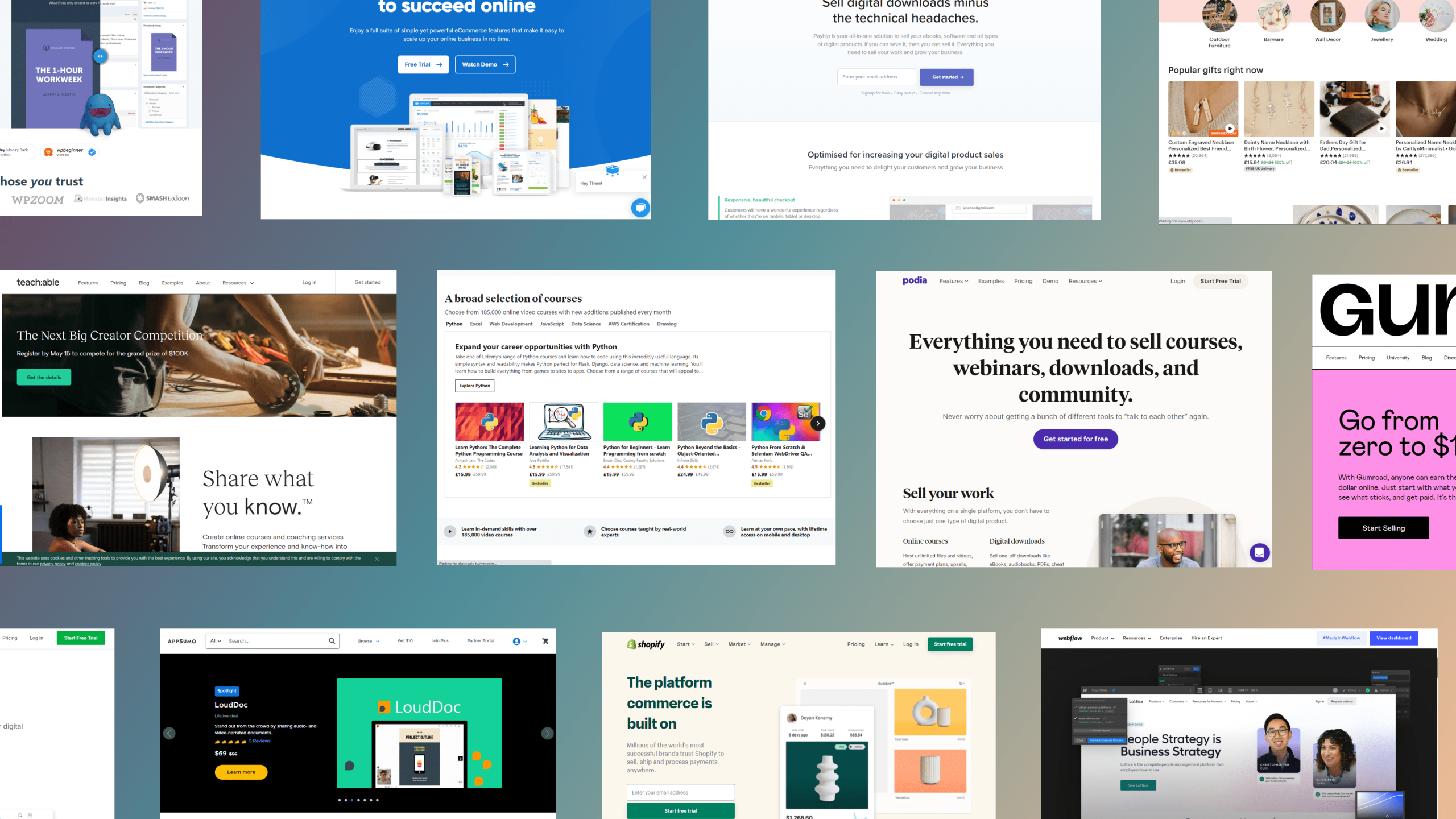
There are many excellent platforms available for selling digital products, each catering to different types of creators and businesses. The best option depends on the products you sell, your technical skills, and your marketing strategy.
Shopify
Shopify is one of the world’s leading eCommerce platforms and is ideal for entrepreneurs who want complete control over their brand.
Best for:
Online courses
Digital downloads
Memberships
Software
Printables
Templates
Advantages
Fully customizable online store
Excellent payment integrations
Mobile-friendly design
Large app marketplace
Scalable as your business grows
Built-in inventory and order management
Shopify gives you your own professional website to sell products and provides everything needed to build a successful online store.
Gumroad
Gumroad is designed specifically for creators who want to start selling quickly without technical complexity.
Advantages
Extremely beginner-friendly
Simple checkout process
Automatic product delivery
Email customer management
Subscription options
Affiliate marketing support
Gumroad is ideal if you’re selling your first digital product and want to launch with minimal setup.
Sellfy
Many creators consider Sellfy is the simplest platform for selling digital downloads.
It’s an excellent solution for:
Digital art
Music
eBooks
Videos
Courses
Printables
Sellfy includes:
Secure file hosting
Built-in marketing tools
Discount codes
Email automation
Upselling features
New users can also take advantage of its free trial period before choosing a paid plan.
Etsy
Etsy remains one of the largest online marketplace platforms for creative digital products.
Popular products include:
Printable planners
Digital artwork
Wedding templates
SVG files
Invitations
Canva templates
Because Etsy already attracts millions of shoppers, it allows sellers to access an existing customer base immediately.
Other Digital Marketplaces
Many creators also sell through specialized digital marketplaces, depending on their niche.
Examples include marketplaces for:
Photography
Software
Fonts
Music
Video assets
Graphic templates
Using multiple marketplaces can help expand your reach and diversify your income.
Setting Up Your Online Store
Once you’ve selected your platform, it’s time to build a professional storefront.
Your online store should inspire trust while making purchasing as easy as possible.
Create a Professional Store
Start by creating your account.
Most platforms simply require you to:
Create an account
Upload your branding
Add your products
Configure settings
Connect payment methods
Design an Effective Product Page
Your product page is often the deciding factor in whether someone purchases.
Every page should include:
A compelling title
Detailed product description
High-quality images
Product previews
Customer testimonials
Clear pricing
Frequently Asked Questions
Your goal is to demonstrate why your high-quality product is worth purchasing.
Simplify Payment Processing
A smooth checkout experience helps increase conversions.
Choose platforms that allow you to:
Create payment gateways easily
Accept multiple payment methods
Offer secure transactions
Automate receipts
Reducing friction during checkout leads to more completed purchases.
Automate Product Delivery
Customers expect instant access after purchasing digital products.
Automatic product delivery ensures buyers receive their purchases immediately without requiring manual intervention.
This improves customer satisfaction while saving time.
Marketing Strategies for Your Digital Products
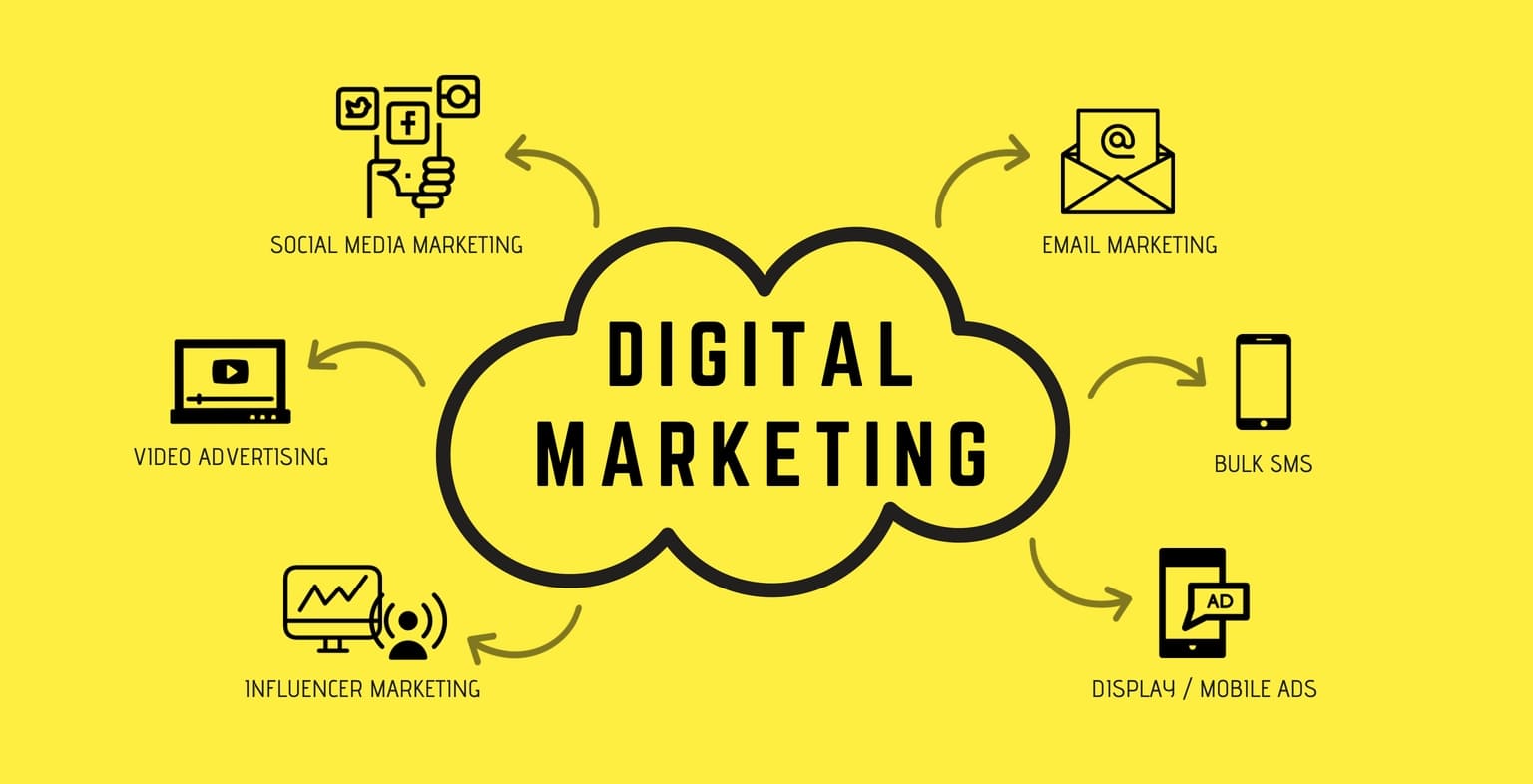
Creating an outstanding product is only half the battle. You also need an effective strategy to market and sell it.
Build an Email List
One of the most valuable marketing assets you can own is an email list.
Use lead magnets and free resources to encourage visitors to subscribe.
Once someone joins your list, you can:
Announce new products
Send promotional offers
Share valuable content
Build customer relationships
Email marketing consistently delivers one of the highest returns on investment.
Use Content Marketing
Publishing valuable content helps establish authority while attracting organic traffic.
Create:
Blog posts
YouTube videos
Podcasts
Tutorials
Case studies
These resources educate potential buyers while promoting your products naturally.
Promote on Social Media
Use different social media platforms to showcase your products.
Popular channels include:
Facebook
Instagram
LinkedIn
TikTok
Pinterest
X
YouTube
Tailor your content for each platform to maximize engagement.
Collaborate with Influencers
Partnering with industry influencers can rapidly increase exposure.
Collaborate with influencers who already have your ideal audience.
This strategy helps:
Increase credibility
Reach new customers
Generate more traffic
Boost sales
Offer Free Value
Many successful businesses provide free content before selling.
Examples include:
Mini courses
eBooks
Templates
Checklists
Webinars
This builds trust and encourages future purchases.
Growing Your Digital Product Business
Once your store is generating sales, focus on continuous improvement.
Successful creators continually optimize:
Pricing
Marketing
Product quality
Customer support
Sales funnels
As your digital business expands, consider developing many digital products instead of relying on a single offer.
Digital products include:
Online courses
eBooks
Templates
Printables
Stock photos
Software
Music
Digital planners
Memberships
Video tutorials
Diversifying your catalog creates a more stable revenue stream.
Final Thoughts

The world of digital products offers incredible opportunities for creators, entrepreneurs, and business owners looking to build a scalable online income.
Whether you’re starting from scratch or expanding an existing business, choosing the right selling platform, investing in product development, and implementing effective marketing strategies will position you for long-term success.
Focus on creating a high-quality product, building an engaged email list, and consistently promoting your products through multiple channels. As your business grows, you can launch your digital products faster, market and sell them more effectively, and develop a steady revenue stream from products delivered in digital form.
With the right strategy, you can successfully start selling digital products online, make sales consistently, and build a profitable business that continues to grow for years to come.



















0 Comments