
Skyrocket Your Online Business: Proven Social Media Strategies to Build Audience, Drive Traffic, and Boost Sales Fast
In today’s digital age, a robust online presence is crucial for the success of any business, especially a small business. Social media marketing has emerged as a powerful tool for businesses to connect with their target audience, build brand awareness, and drive sales. Specifically, it helps with:
- Connecting with your target audience.
- Building brand awareness.
This article will explore how to effectively market your business on social media, focusing on strategies and tactics that can help you achieve your business goals through social media.

Understanding Social Media Marketing for Small Businesses
What is Social Media Marketing?
Social media marketing is about using social media platforms to promote your business and connect with your audience. It’s about creating a social media presence and engaging with customers through social media posts, social networking, and other forms of interaction. A well-defined social media marketing strategy is essential for maximizing the impact of your marketing efforts. This involves a few key elements:
- Understanding your target audience
- Selecting the right social media channels
- Crafting a content strategy that resonates with your followers
Effective social media marketing goes beyond simply posting updates; it requires active participation, social listening, and a commitment to providing value to your audience. Many different platforms exist that could serve as social media tools.
Benefits of Social Media Marketing
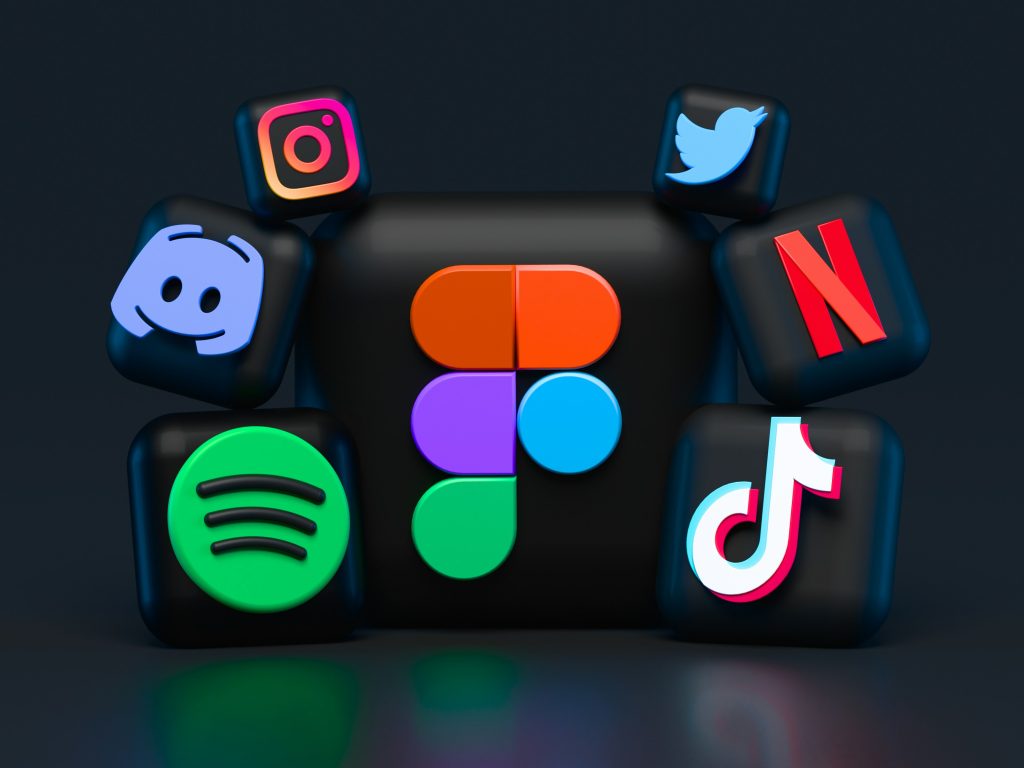
Social media marketing has become an essential part of any successful digital strategy. Whether you’re a small business owner, freelancer, or digital marketer, leveraging platforms like Facebook, Instagram, TikTok, LinkedIn, and X (formerly Twitter) can help you connect with audiences and build a powerful online presence.
1. Increases Brand Awareness
Social media provides one of the most cost-effective ways to reach a massive audience. By consistently posting valuable content, using hashtags strategically, and engaging with followers, brands can stay top-of-mind and expand their reach to new potential customers.
2. Builds Stronger Customer Relationships
Unlike traditional advertising, social media creates a two-way communication channel. Businesses can interact directly with customers through comments, messages, and live chats, allowing for real-time feedback and stronger relationships that build brand loyalty.
3. Drives Targeted Website Traffic
With properly optimized posts, clickable links, and paid ad campaigns, social media platforms can drive highly targeted traffic to your website. Using analytics tools, you can track where your visitors come from and fine-tune your marketing strategy to boost conversions.
4. Improves SEO and Online Visibility
While social media doesn’t directly influence search engine rankings, it helps amplify your content’s visibility. The more your posts are shared and linked to, the more signals search engines receive that your website is trustworthy and relevant—ultimately helping your SEO efforts.
5. Boosts Sales and Conversions
Social media platforms allow you to promote products and services with compelling visuals, testimonials, and calls to action. Features like Instagram Shopping, Facebook Shops, and TikTok Ads make it easier for users to purchase directly through social media channels.
6. Cost-Effective Marketing
Compared to traditional advertising, social media marketing delivers incredible ROI. You can start promoting your business with minimal budgets, test ad variations, and scale campaigns that perform well—all without breaking the bank.
7. Provides Valuable Insights
Analytics tools on social media platforms offer data about your audience demographics, engagement rates, and post performance. This information helps refine your digital marketing strategy and make informed decisions that drive better results.

Key Social Media Platforms for Small Businesses
Choosing the right social media platforms can make or break your marketing strategy. For small businesses, the goal is to focus on platforms that align with your target audience, brand personality, and content style. Here are the top social media platforms every small business should consider.
1. Facebook
Facebook remains one of the most versatile platforms for small businesses. With over 3 billion users, it’s ideal for building brand communities, running paid ads, and sharing a mix of photos, videos, and updates.
Best for: Local businesses, service providers, and brands that want to engage directly with customers through pages, groups, and Messenger.
Pro tip: Use Facebook Ads Manager to target your audience by location, interests, and behavior for maximum ROI.
2. Instagram
Perfect for visual storytelling, Instagram helps small businesses showcase their products, behind-the-scenes moments, and customer stories through photos, Reels, and Stories.
Best for: Lifestyle, beauty, travel, food, and eCommerce brands that rely heavily on visuals.
Pro tip: Combine engaging visuals with strong calls to action and trending hashtags to increase reach and engagement.
3. TikTok
TikTok’s short-form video format offers an incredible opportunity for small businesses to go viral without a massive budget. Authentic, creative content performs best here.
Best for: Brands targeting younger audiences and businesses with fun, relatable, or educational content.
Pro tip: Participate in trends and challenges to boost discoverability and connect with new followers quickly.
4. LinkedIn
LinkedIn is the go-to platform for B2B businesses and professional services. It’s ideal for building credibility, networking, and sharing thought-leadership content.
Best for: Consultants, marketers, coaches, and businesses offering professional services.
Pro tip: Post informative articles, case studies, and industry insights to position your brand as an authority in your niche.
5. X (Formerly Twitter)
Twitter (now X) is all about real-time conversations. It’s a great platform for customer service, news updates, and thought leadership.
Best for: Brands that want to engage in timely discussions, trends, and industry news.
Pro tip: Tweet consistently, use trending hashtags, and engage with other users to stay visible in your niche.
6. Pinterest
Pinterest acts like a visual search engine and is an excellent traffic source for blogs, eCommerce sites, and content creators.
Best for: Brands in niches like DIY, home décor, fashion, travel, and wellness.
Pro tip: Optimize your Pins with keywords, attractive images, and links to your website to drive consistent referral traffic.
7. YouTube
YouTube is more than just a video platform — it’s the second largest search engine after Google. It’s perfect for tutorials, reviews, and product showcases that educate your audience.
Best for: Any business looking to build authority and long-term visibility through video content.
Pro tip: Use SEO-optimized titles, tags, and descriptions to help your videos rank and attract steady organic views.
Creating an Effective Social Media Marketing Strategy
Identifying Your Target Audience
Before diving into any marketing efforts, identifying your target audience is paramount for an effective social media marketing strategy. Understanding who you are trying to reach will shape your content strategy and the platforms you use. Consider factors such as demographics, interests, behaviors, and pain points. What are their needs, and how can your small business address them? Once you have a clear picture of your ideal customer, you can tailor your social media content to resonate with them, increasing engagement and driving conversions. Creating buyer personas can be an invaluable tool in this process, enabling you to visualize and empathize with your audience, ultimately optimizing your marketing efforts and business goals.
Setting Goals for Your Social Media Marketing Plan
Setting clear, measurable goals is essential for a successful marketing plan. What do you hope to achieve by marketing your business on social media? Are you looking to increase brand awareness and drive website traffic, or generate leads and boost sales? Your goals should align with your overall business objectives and be specific, measurable, achievable, relevant, and time-bound (SMART). For example, instead of saying “increase brand awareness,” a SMART goal would be “increase brand mentions on social media platforms by 20% in the next quarter.” Defining your goals provides a roadmap for your campaigns and allows you to track your progress and make adjustments as needed, ensuring effective social media marketing.
Choosing the Right Social Media Channels
Selecting the right social media channels is a critical component of your overall social media strategy. Not all platforms are created equal, and the platforms that your target audience frequents may not be the same ones that are most popular overall. Consider where your ideal customers spend their time online. For example, if you’re targeting young adults, Instagram and TikTok might be more effective channels than Facebook or LinkedIn. Conversely, if you’re targeting professionals, LinkedIn may be the ideal choice. Understanding the demographics and user behavior on different platforms will help you allocate your resources wisely and maximize the impact of your social media presence. Different platforms require different social media management and different posting techniques.
Content Creation for Social Media
Types of Social Media Content
Creating diverse and engaging social media content is essential for building a strong online presence. The type of content you share can determine how well your audience connects with your brand, engages with your posts, and ultimately converts into customers. Here are the main types of social media content small businesses and digital marketers can use to grow their audience and boost engagement.
1. Educational Content
Educational posts provide value by teaching your audience something new. These can include how-to guides, tutorials, infographics, or quick tips related to your niche.
Why it works: It positions your brand as an authority and builds trust while solving your audience’s problems.
Example: “5 Ways to Boost Your Instagram Engagement” or “A Step-by-Step Guide to Writing SEO-Optimized Blog Posts.”
2. Entertaining Content
People scroll social media to be entertained. Funny memes, trending challenges, behind-the-scenes clips, and relatable posts can humanize your brand and increase shareability.
Why it works: It helps your content go viral and increases brand awareness without being overly promotional.
Example: Short, humorous Reels or TikToks showing everyday business bloopers or client success stories.
3. Inspirational Content
Motivational quotes, success stories, and user-generated content inspire followers and strengthen emotional connections.
Why it works: It creates a positive brand image and encourages your followers to engage or share your message.
Example: Posting customer testimonials or sharing your brand’s growth journey with an inspiring caption.
4. Promotional Content
This type of content focuses directly on your products, services, or offers. Include discounts, product launches, and call-to-action posts.
Why it works: It drives conversions and reminds your audience what you offer while blending naturally into your content mix.
Example: “Get 20% off your next order — offer ends Sunday!”
5. Interactive Content
Polls, quizzes, questions, and contests invite your followers to participate actively.
Why it works: It increases engagement rates, boosts visibility through algorithmic preference, and builds a community around your brand.
Example: “Which social media platform brings you the most traffic? Vote below!”
6. User-Generated Content (UGC)
UGC includes content your customers or followers create about your brand — such as reviews, tagged photos, or video testimonials.
Why it works: It provides social proof, builds authenticity, and encourages more people to share their experiences with your business.
Example: Sharing a customer’s Instagram post featuring your product or service.
7. Live and Video Content
Live streams, short-form videos (like Reels and TikToks), and long-form YouTube videos dominate today’s social media landscape.
Why it works: Video content captures attention longer, increases engagement, and performs better across algorithms.
Example: Hosting a live Q&A session about marketing strategies or posting short clips with quick digital marketing tips.
8. Curated Content
Sharing content from trusted sources (with proper credit) can position your brand as a valuable resource.
Why it works: It helps you stay active even when you’re not producing original content and shows that you’re in tune with industry trends.
Example: Sharing an article from IMMozie about “The Benefits of Social Media Marketing” with a personal insight in the caption.

Tips for Creating Engaging Social Media Content
Producing engaging social media content is more than just posting regularly — it’s about creating posts that spark conversations, encourage interactions, and keep your audience coming back for more. Here are key strategies to help you craft content that resonates with your followers and strengthens your online presence.
1. Know Your Audience
Before you create any content, understand who you’re speaking to. Research your audience’s demographics, interests, pain points, and preferred platforms.
Pro tip: Use analytics tools like Facebook Insights, Instagram Analytics, or TikTok Business Suite to identify what type of posts your audience interacts with most.
2. Focus on Storytelling
Stories build emotional connections. Instead of just promoting your product, share experiences, challenges, or client success stories that highlight your brand’s journey.
Pro tip: Use a relatable tone and include real-life examples to make your message more authentic.
3. Keep It Visually Appealing
Eye-catching visuals stop the scroll. Use high-quality images, consistent color themes, and branded templates to make your posts stand out.
Pro tip: Design graphics using tools like Canva or Adobe Express and keep text overlays short and readable.
4. Use Compelling Captions
Your caption should complement your visuals and motivate users to engage. Ask questions, tell mini-stories, or include calls to action like “Tag a friend” or “Share your opinion.”
Pro tip: Write in a conversational tone that reflects your brand personality — whether it’s friendly, professional, or witty.
5. Leverage Hashtags Strategically
Hashtags help increase discoverability and reach. Mix popular, niche-specific, and branded hashtags to attract the right audience.
Pro tip: Research trending hashtags on platforms like Instagram and TikTok, but avoid overstuffing — 3 to 7 relevant hashtags per post work best.
6. Encourage Interaction
Prompt engagement by using polls, quizzes, or question stickers in your Stories. Respond quickly to comments and messages to keep conversations alive.
Pro tip: The more engagement your post gets early on, the better it performs in platform algorithms.
7. Post Consistently
Consistency builds trust and keeps your brand visible. Create a content calendar to plan your posts ahead of time.
Pro tip: Tools like Buffer, Later, or Hootsuite can help you schedule posts and maintain regular activity without feeling overwhelmed.
8. Monitor and Adjust
Track the performance of your content regularly. Identify which posts drive the most engagement and replicate what works.
Pro tip: Experiment with post formats — such as Reels, carousels, or infographics — and refine your approach based on data, not guesswork.
9. Include a Clear Call to Action (CTA)
Guide your audience toward the next step — whether it’s visiting your website, subscribing to your newsletter, or purchasing a product.
Pro tip: Keep your CTAs simple and direct: “Learn more,” “Download now,” or “Start your free trial today.”
10. Stay Authentic
Authenticity builds trust. Share your genuine opinions, behind-the-scenes content, and even occasional mistakes to show the human side of your brand.
Pro tip: Audiences can sense when content feels forced — focus on being real, not perfect.
Using Visuals and Multimedia Effectively
Visuals and multimedia are crucial for effective social media marketing. High-quality images and videos can capture attention, communicate your message effectively, and boost engagement. When incorporating visuals, ensure they are relevant to your brand and target audience. Use professional-grade photography or videography to maintain a polished and credible image. Optimize images and videos for different platforms to ensure they display correctly. Consider using a tool to schedule and manage your visual content. Experiment with different formats, such as infographics, GIFs, and animations, to keep your content fresh and engaging. Visual storytelling can create a lasting impact and help you connect with your audience on a deeper level, ultimately driving results for your campaigns and business goals.

Marketing Tips for Small Businesses on Social Media
Scheduling and Consistency
Consistency is key when it comes to your social media presence. For any small business trying to promote your business on social media, a regular posting schedule is crucial for keeping your audience engaged and growing your reach. Use a tool to plan and schedule your content in advance, ensuring a steady stream of updates across different platforms. Experiment with different posting times to identify when your audience is most active. Consistency not only keeps your followers engaged but also signals to platforms that your accounts are active and relevant, potentially boosting your visibility in search results. By maintaining a consistent strategy, you can build a loyal following and achieve your marketing goals.
Utilizing Influencer Marketing
Influencer marketing can be a game-changer for small business owners looking to expand their reach and credibility. Identify influencers in your niche who align with your brand values and have a genuine connection with their followers. Partner with them to create posts, sponsored content, or even collaborate on product reviews. Influencers can introduce your brand to a new audience, build trust, and drive sales. When selecting influencers, consider their engagement rate, relevance to your brand, and authenticity. A successful campaign can significantly boost your brand awareness and help you achieve your marketing goals. It is important to manage your efforts while performing influencer marketing, as to not create an imbalance. Many different platforms could potentially be used for influencer marketing, depending on the business goals.
Measuring Success and Adjusting Your Strategy
Effective social media marketing relies on continually monitoring your performance and adjusting your strategy based on the data you collect. Use analytics tools to track key metrics such as engagement, reach, website traffic, and conversions. Analyze which content is performing best and identify trends in your audience’s behavior. Pay attention to which channels are driving the most traffic and leads. Use this data to refine your content strategy, adjust your posting schedule, and optimize your campaigns. Regularly review your goals and make sure your efforts are aligned with your overall business objectives. By staying data-driven and adaptable, you can maximize the impact of your efforts and ensure that you are getting the most out of your investment.
Developing a Successful Social Media Marketing Plan
Components of an Effective Social Media Marketing Plan
A comprehensive social media marketing plan is essential for any small business aiming to leverage social media effectively. The core of your plan should include a clear understanding of your target audience and setting realistic goals. Define your content strategy and the types of content you’ll create. Choose the right channels based on where your audience spends their time. Establish a posting schedule and use a tool to stay organized. Allocate a budget for paid advertising to boost your reach. Finally, outline how you will measure your success and make adjustments as needed. These components will ensure your plan is solid and promote your business.
Common Mistakes to Avoid in Social Media Marketing
While social media can be a powerful tool for growing your business and building an audience, it’s also easy to make mistakes that hurt engagement, credibility, and results. Recognizing these pitfalls early can help you refine your strategy and make your social media marketing efforts more effective.
1. Posting Without a Clear Strategy
One of the biggest mistakes small businesses make is posting randomly without a plan. Every post should serve a purpose — whether it’s to educate, entertain, or drive conversions.
Avoid this: Create a clear content strategy aligned with your business goals and target audience.
2. Ignoring Analytics
Without analyzing performance data, you won’t know what’s working. Many marketers overlook insights and continue posting the same type of content without improvement.
Avoid this: Regularly review analytics to track engagement, reach, and conversion metrics. Use this data to adjust your content and posting frequency.
3. Overly Promotional Content
If every post is about selling, followers lose interest quickly. People don’t want to be sold to all the time—they want value and connection.
Avoid this: Follow the 80/20 rule — 80% value-driven content and 20% promotional posts.
4. Inconsistent Posting Schedule
Posting too often or too rarely can both harm engagement. Inconsistency makes your audience forget about your brand.
Avoid this: Maintain a regular posting schedule using a content calendar and automation tools like Buffer or Later.
5. Neglecting Engagement
Many brands post content but fail to interact with followers. Ignoring comments or messages creates a poor impression and weakens relationships.
Avoid this: Reply to comments, thank users for sharing, and actively engage with your community.
6. Not Understanding the Platform
Each social media platform has its own culture, format, and audience expectations. What works on TikTok may not perform on LinkedIn.
Avoid this: Customize your content for each platform instead of cross-posting the same material everywhere.
7. Ignoring Visual Quality
Low-quality images, poor lighting, or cluttered designs can instantly reduce credibility.
Avoid this: Invest in good visuals. Use consistent branding, color palettes, and typography to create a professional, cohesive feed.
8. Skipping Hashtags or Using Irrelevant Ones
Hashtags can boost visibility, but using irrelevant or spammy ones looks unprofessional.
Avoid this: Use only targeted, niche-specific hashtags that align with your post and brand.
9. Failing to Adapt to Trends
Social media evolves quickly. Brands that stick to outdated tactics miss opportunities to connect with new audiences.
Avoid this: Stay updated with trends, experiment with new formats (like Reels or YouTube Shorts), and stay flexible with your strategy.
10. Ignoring Negative Feedback
Deleting or ignoring negative comments can damage your reputation.
Avoid this: Address criticism professionally and publicly when appropriate. Responding calmly shows you care about customer satisfaction and transparency.
Staying Updated with Social Media Trends
In the ever-evolving world of social media, staying up-to-date with the latest social trends is essential for effective social media marketing. New platforms, features, and algorithms emerge regularly, and your strategy needs to adapt accordingly. Follow industry blogs, attend webinars, and participate in online communities to stay informed about emerging trends. Experiment with new content formats, such as short-form videos or live streams. Pay attention to how your competitors are using social media and learn from their successes and failures. Be willing to adjust your approach based on what’s working and what’s not. By staying agile and adaptable, you can ensure that your efforts remain relevant and effective in the long run, helping you achieve your marketing goals.

Frequently Asked Questions
How to Market Your Business on Social Media Effectively?
Marketing your business on social media involves creating a strategic plan that aligns with your overall business goals. Start by identifying your target market and the social platforms they frequent. Utilize social media management tools to schedule posts, track engagement, and analyze performance. Tailor your content to each platform to maximize reach and effectiveness.
What Are the Benefits of Social Media Marketing for Small Businesses?
Social media marketing offers numerous benefits for small businesses, including increased brand awareness, improved customer engagement, and cost-effective advertising options. By leveraging free social media tools and platforms, small businesses can reach a larger audience without a substantial financial investment. Additionally, social media provides valuable insights into customer preferences and behaviors.
How to Create a Social Media Marketing Plan?
Creating a social media marketing plan involves several key steps. First, define your social media marketing goals, such as increasing website traffic or boosting sales. Next, choose the right social media channels for marketing your business based on your target audience. Finally, develop a content calendar to ensure consistent posting and engagement across all platforms.
What Are Effective Social Media Marketing Tips?
To enhance your social media efforts, consider the following effective tips: post regularly and at optimal times, engage with your audience by responding to comments, and utilize paid social media advertising to reach a broader audience. Additionally, collaborate with influencers to expand your reach and credibility among potential customers.
How to Utilize Social Media Management Tools for Your Marketing?
Social media management tools simplify the process of managing multiple social media accounts. These tools allow you to schedule posts, monitor engagement, and analyze the success of your social media marketing strategy. By automating tasks, you can focus on creating high-quality content and engaging with your audience.
What Are the Best Social Media Platforms for Marketing Your Business?
The best social media platforms for marketing your business depend on your target market and the type of content you produce. Popular social media platforms like Facebook, Instagram, and LinkedIn offer diverse opportunities for engagement and advertising. It’s essential to research where your audience is most active and tailor your approach accordingly.
How to Measure the Success of Your Social Media Marketing?
To measure the success of your social media marketing, track key performance indicators (KPIs) such as engagement rates, follower growth, and conversion rates. Use social media insights and analytics tools to gather data on your marketing campaigns. Regularly review these metrics to adjust your strategy for better results.

What Are the Key Components of Social Media Marketing for Small Business
How to Market Your Business on Social Media?
To market your business on social media, start by identifying your target market and selecting the right social media platforms that resonate with them. Create a social media marketing plan that includes engaging content, regular posting schedules, and effective calls to action. Utilize social media management tools to streamline your efforts and analyze the success of your campaigns.
What Are the Benefits of Social Media Marketing?
The benefits of social media marketing include increased brand awareness, enhanced customer engagement, and the ability to reach a broader audience. It is also a cost-effective way to promote your business, especially for small businesses, allowing you to connect with potential customers through organic and paid social media efforts.
What is an Effective Social Media Marketing Strategy?
An effective social media marketing strategy involves understanding your audience, setting clear social media goals, and creating relevant content that resonates with your followers. Regularly analyzing social media insights can help you refine your strategy and improve your engagement rates.
What Are Social Media Marketing Tips for Small Businesses?
Social media marketing tips for small businesses include creating a consistent posting schedule, engaging with your audience through comments and messages, and utilizing visuals to capture attention. Additionally, consider using popular social media platforms to expand your reach and invest in social media advertising to target specific demographics.
How to Create a Social Media Marketing Plan?
Creating a social media marketing plan involves defining your marketing goals, identifying your target audience, and selecting suitable social platforms. Plan your content calendar with a mix of promotional and engaging posts, and allocate resources for social media management tools to track your progress and adjust your strategy as needed.
Which Are the Best Social Media Platforms for Marketing Your Business?
The best social media platforms for marketing your business depend on your target audience. Popular social media platforms like Facebook, Instagram, and LinkedIn cater to different demographics and can be used for various marketing campaigns. Evaluate where your potential customers are most active and focus your efforts there.
How Can Influencer Marketing Benefit My Business?
Influencer marketing can significantly boost your brand visibility and credibility. Partnering with influencers who align with your brand can help you reach a larger audience and engage new customers. This strategy is particularly effective on social media platforms where influencers have cultivated trust with their followers.
What Is the Role of Paid Social Media in Marketing?
Paid social media plays a crucial role in amplifying your marketing efforts. By investing in paid social media advertising, you can target specific audiences based on demographics, interests, and behaviors, ensuring that your content reaches potential customers who are more likely to engage with your brand.
How to Measure the Success of Your Social Media Marketing?
To measure the success of your social media marketing, track key performance indicators such as engagement rates, follower growth, website traffic from social media, and conversion rates. Utilize social media management platforms to gather insights and adjust your strategies accordingly for optimal results.
A Successful Social Media Marketing Strategy?
A successful social media marketing strategy includes clearly defined goals, an understanding of your target audience, and a content plan that incorporates both organic and paid social media efforts. Regularly assess your strategy’s effectiveness and be willing to adapt based on market research and social media trends.
How to Build Your Social Media Presence?
Building your social media presence requires consistency, quality content, and active engagement with your audience. Start by creating business accounts on popular social media platforms, then focus on posting valuable content that resonates with your audience. Engage with followers through comments and messages, and consider running marketing campaigns to boost visibility.









0 Comments